Best Record Players 2026: Expert Picks at Every Budget

Vinyl collector for over thirty years. Found my first turntable and a box of records in the loft at twelve — Nashville Skyline, After the Gold Rush, Disraeli Gears. Still spinning on a vintage Sony PS-X600.
Just so you know, some links on this page are affiliate links. If you buy something via them, we get a small kickback. You don't pay more, but it helps toward the next record.
Buying a turntable shouldn't require a degree in audio engineering. Spend ten minutes on any hi-fi forum and someone will tell you nothing under $1,000 is worth owning. That's ridiculous. You can get a turntable that sounds great, treats your records right, and lasts for years for under $350. Some solid options cost even less.
we've spent a lot of time digging through professional reviews from Stereophile, Sound & Vision, and What Hi-Fi?, cross-referencing with owner feedback on Reddit and the Steve Hoffman Forums. This guide reflects that research, not some lab test I didn't run.
Quick Picks
Not sure which setup is right for you?
Take Our QuizNot sure which is right? Take our quiz for a personalized recommendation.
Budget
You don't need to spend a lot to get a turntable that sounds good and won't chew up your records. The sweet spot starts right here.
The Audio-Technica AT-LP60X is the starting point, and for a lot of people, the ending point too. Check Price on Amazon It's fully automatic, hit the button and the arm drops. When the side's done, it lifts and returns. No counterweight to set. No alignment to worry about. You plug it into powered speakers and go.
The belt-drive motor keeps vibrations away from the stylus (our belt drive vs direct drive guide explains why that matters). Tracking force is within safe limits. The built-in phono preamp means one less box to buy. For someone who wants to enjoy records without turning it into a project, this is the move.

Best budget turntable, fully automatic, built-in preamp, reliable belt drive
The Sony PS-LX310BT adds Bluetooth for a small premium. Check Price on Amazon Pair it with any Bluetooth speaker you already own and you're listening without running cables across the room. The wired outputs match the LP60X in quality. Through Bluetooth there's slight compression, but most people won't notice or care. See our best Bluetooth turntable guide for more wireless options.
Both are widely available from Amazon, Best Buy, Crutchfield, and most Target locations.
Mid-Range
This is where things get properly good. Not "good for the price", just good.
The Audio-Technica AT-LP120X traces its DNA back to the Technics SL-1200, the turntable that defined DJ culture. Check Price on Amazon Direct-drive motor for instant start and rock-solid speed. Pitch control. Removable headshell for cartridge swaps. Built-in preamp with bypass for when you eventually upgrade to an external one.
DJs use these. Collectors use these. People who bought one ten years ago are still using these. The direct-drive motor means no belts to replace, ever. Can't decide between the two Audio-Technicas? Our LP60X vs LP120X comparison breaks it down.

Do-everything deck, direct drive, upgradeable cartridge, USB output, built-in preamp
The Rega Planar 1 strips away everything that doesn't improve sound. No preamp. No USB. No Bluetooth. Just a precisely engineered motor, platter, and tonearm built in Southend-on-Sea, England, by people who've been at this for fifty years.
Rega's take is simple: features add complexity, complexity adds noise, noise hides music. Whether you buy the philosophy or not, the results are hard to argue with. Reviewers consistently praise the rhythmic engagement, records sound alive, not just reproduced. You'll need a phono preamp or an amp with a phono input, but the payoff is real.
Premium
The Pro-Ject Debut Carbon EVO brings Austrian engineering with a carbon fiber tonearm that genuinely reduces resonance. Check Price on Amazon The steel/TPE sandwich platter damps vibrations better than solid alternatives. Multiple color options if your living room aesthetic matters.
What sets Pro-Ject apart is the upgrade path. Cartridge, platter, feet, belt, power supply, every component can be improved over time. Buy the Debut Carbon EVO now, upgrade the cartridge next year, add an acrylic platter the year after. It's a platform, not a dead end.

Premium audiophile pick, carbon tonearm, upgradeable platform, Austrian engineering
New for 2026: Audio-Technica AT-LP7X
The AT-LP7X is Audio-Technica's audiophile push into the premium segment. Where the LP120X is aimed at the enthusiast who wants features, the LP7X is aimed at the listener who wants sound. Dense MDF plinth, acrylic platter, an AT-VM95E cartridge included in the box, and a J-shaped tonearm tuned for low resonance.
It sits above the Pro-Ject Debut Carbon EVO and below a Rega Planar 3 setup. The ASIN is B0GD2KTS55. If you are an Audio-Technica loyalist who has outgrown the LP120X and wants to stay in that ecosystem, the LP7X is the answer. For most people, the Pro-Ject or a used Rega remains the more interesting spend.
Diminishing returns start hitting hard here. The jump from a $149 turntable to a $349 one is dramatic. $349 to $599 is noticeable. Above that, improvements get subtle. You're paying for refinement, not transformation.
What to Avoid
Suitcase-style players and cheap all-in-ones under $100 are not bargains. The ceramic cartridges track at 5-7 grams, safe tracking is around 2 grams. That extra force grinds away your groove walls with every play. The damage is cumulative and permanent.
The built-in speakers make it worse. They vibrate the turntable while it's playing, adding distortion and feedback. And they sound awful.
If you got a Crosley Cruiser as a gift, use it for thrift store finds you don't care about. Keep your good vinyl away from it. Our Crosley vs Audio-Technica comparison explains exactly why.
Where to Buy
Amazon has competitive pricing, fast shipping, and easy returns. Hard to beat when you know what you want.
Crutchfield hasreal customer support, they'll actually talk to you about your setup and help you choose. Free shipping, solid return policy.
Turntable Lab specializes in vinyl gear. Curated selection, knowledgeable staff, and they often bundle turntables with cartridge upgrades.
Best Buy stocks the popular models with in-store pickup. Useful if you want it today.
Audio Advice and independent hi-fi shops can let you audition before buying. If you're spending $500+, hearing in person is worth the trip.
How We Reach Our Recommendations
This guide synthesizes research from professional reviews (Stereophile, Sound & Vision, What Hi-Fi?, Darko Audio), owner experiences (Reddit, Steve Hoffman Forums, AudioKarma), and long-term reliability data.
We prioritize turntables that:
1. Protect your records with proper tracking force 2. Get consistent praise across independent sources 3. Have proven reliability track records 4. Represent genuine value at their price points 5. Are readily available from US retailers
We don't claim to have tested every turntable hands-on. We do claim to have read everything credible written about them.
Common Mistakes
Buying suitcase players because they look cool. They're cheap. They're cute. They'll damage your records. The Audio-Technica AT-LP60X is the entry point for safe vinyl playback.
Ignoring speakers. Your turntable pulls information from grooves. Your speakers turn it into sound. A $350 turntable through $50 speakers will sound worse than a $149 turntable through $150 speakers. Balance your budget, roughly equal spend on turntable and speakers works well.
Buying for future needs that may never arrive. "we'll get the expensive one so I don't outgrow it." Maybe. Or you'll discover vinyl isn't your thing and wish you'd spent $149 instead of $599. Start modest, develop your ears, then upgrade with intention.
Skipping the phono preamp question. If your turntable doesn't have a built-in preamp and your amp doesn't have a phono input, you'll get barely any sound. Check before buying. Our phono preamp guide covers everything.
The first time you put on a record you actually love and hear it fill the room properly, not tinny, not compressed, not through laptop speakers, you'll understand why people still do this. That moment arrives whatever your budget. Pick the turntable that fits your budget and your setup, get it home, and go.
Pairing Your Turntable with Speakers
The turntable is half the equation. Speakers are the other half. Most people underspend on speakers and overspend on turntables.
A practical pairing guide:
AT-LP60X + Edifier R1700BT: Best-value complete setup. The R1700BT has Bluetooth, a warm and detailed sound that suits vinyl, and enough power for a medium room. This $350 combination outperforms more expensive all-in-ones.
AT-LP60X + Klipsch The Fives: A step up for audiophiles willing to spend on speakers. The Fives have a built-in phono preamp, bypassing the LP60X’s internal one and delivering much better signal quality. This combination punches above its apparent class.
AT-LP120X + Audioengine A5+: High-performance desktop setup. The A5+ has the dynamic range to reveal what the LP120X can do. Add an Ortofon 2M Red and you have a complete system competing with setups at twice the price.
Rega Planar 1 + speakers + phono preamp: Plan for a phono preamp (ART DJ Pre II is budget entry; Cambridge Audio Alva Solo is a step up). Add powered speakers in the $200-400 range. Budget $700-900 total for the Rega ecosystem.
A rough rule: spend roughly equal amounts on turntable and speakers. A $349 turntable deserves at least $200 in speakers. Below that, the speakers become the limiting factor.
Your First Year with Vinyl
Months 1-3: Learning to handle records properly, developing a cleaning routine, figuring out which albums you want on vinyl. This is where you discover whether vinyl fits your listening habits.
Months 4-6: The collection builds. You’ll find records at thrift stores, record fairs, and Discogs. The used record economy is excellent, most albums from the 1960s-1990s are $5-15 in good condition.
Month 6 onwards: The upgrade itch arrives. The natural path: replace the stylus with an Ortofon 2M Red or Nagaoka MP-110, then upgrade speakers. If you started with an LP60X and love vinyl, the LP120X or a Rega becomes the target.
There is no terminal point. Vinyl is an ongoing hobby, not a destination.
Frequently Asked Questions
How loud can I play a turntable in an apartment? Standard listening volumes, 60-70 dB, conversational level, are not a neighbor issue. Powered speakers with volume control mean you’re in full control. Vinyl rewards focused, moderate-volume listening anyway.
New records or used? Both work well. Used records from Discogs or record fairs give you factory-era originals at a fraction of new prices. Check the grading (VG+ is the practical standard). New records cost $25-40 but arrive in perfect condition. Most experienced collectors do both.
What’s the difference between 33 RPM and 45 RPM? Most albums play at 33⅓ RPM. Singles and some specialty releases play at 45 RPM. Your turntable has a speed selector for both. 78 RPM is for old shellac records from the 1920s-1950s, most modern turntables don’t support it and require a different stylus.
Is vinyl expensive to get into? Entry cost: AT-LP60X plus Edifier R1700BT plus five good used albums gets you started for under $400. That’s comparable to a year of music streaming, but the records and equipment are yours permanently. Whether that math works depends on how much you listen and how much the physical ritual matters to you.
For guidance on how to preview records before committing, the preview albums before buying vinyl US guide covers the best approaches.
What about record cleaning? A carbon fibre brush before every play removes surface dust and reduces static. That’s the minimum. For deeper cleaning, a wet cleaning kit (GrooveWasher, Hunt EDA) costs $30-50 and handles used records that arrive dirty. Ultrasonic cleaners are for serious collectors with large used collections. Start with the brush.
Understanding the Signal Chain
Every vinyl setup follows the same path:
Turntable → Phono Preamp → Amplifier → Speakers
Each step is necessary. The phono preamp amplifies the weak turntable signal and applies RIAA equalization (correcting the deliberate frequency alteration made during record mastering). Without it, your turntable will barely make a sound.
Where the preamp lives varies: - Built into the turntable (AT-LP60X, AT-LP120X, Sony PS-LX310BT): flip the switch to LINE when connecting to powered speakers or regular amp inputs - Built into the amplifier/receiver: look for a PHONO input on the back - External box (ART DJ Pre II, Cambridge Audio Alva Solo): sits between turntable and amp
If your turntable lacks a built-in preamp (Rega Planar 1, Pro-Ject Debut Carbon EVO) and your amp doesn’t have a phono input, you need an external preamp. Our phono preamp guide covers this in detail.
Common mistake: Using two preamps at once. If the turntable is set to LINE output AND you connect to a phono input on your amp, RIAA equalization is applied twice. The result is wrong: boomy bass, harsh treble. Set the turntable switch to PHONO when using an external preamp or amp phono input. Set to LINE when using built-in preamp to powered speakers.
Belt-Drive vs Direct-Drive
The motor drives the platter. Two ways this works:
Belt-drive (Rega, Pro-Ject, AT-LP60X): a rubber belt connects motor to platter. The belt isolates motor vibrations from the platter. Better for sound quality. Requires belt replacement every 5-10 years (belts cost $10-20 and install in minutes).
Direct-drive (AT-LP120X, Technics SL-1200): the motor sits directly under the platter. Instant start, rock-solid speed stability, no belts to replace. Better for DJing. The AT-LP120X handles both listening and occasional DJ use.
For home listening, both are fine. Direct-drive has a slight edge for speed consistency; belt-drive has a slight edge for noise isolation. At the price points covered here, neither difference is large enough to be the deciding factor. Our belt drive vs direct drive guide goes deeper if you want the full comparison.
The Question of New vs Used
Buying a new turntable makes sense for most beginners. Known condition, manufacturer warranty, return policy. No setup surprises.
Buying used can mean better equipment for less money, but with caveats. A 1970s or 1980s Technics SL-1200 or Pioneer PL-series in good condition is genuinely excellent equipment. A neglected one with a 30-year-old stylus will damage your records as badly as a cheap suitcase player.
If buying used: budget for a new stylus and possibly a belt. Test it before committing. Factor in $30-50 for basic servicing. The r/vinyl and AudioKarma communities are helpful for evaluating specific models.
If you go this route, check AudioKarma’s ‘Vintage Turntable Guide’ and the Vinyl Engine database for service manuals and user reviews on specific vintage models.
Cartridge and stylus: the component that matters most
The cartridge and stylus have a larger impact on sound quality than the turntable itself. A $300 turntable with a $100 cartridge upgrade sounds better than a $400 turntable with its stock cartridge. The stylus physically traces the record groove, and its shape determines how much musical information it can extract.
Elliptical styli (standard on most turntables under $300) read the groove walls at two contact points. They handle most music well but miss fine detail in complex passages. Micro-line and Shibata styli (found on upgrades above $100) trace with a narrower contact area, retrieving high-frequency detail and inner-groove information that elliptical styli cannot reach.
For turntables with replaceable styli on the same cartridge body (like Audio-Technica's VM95 series), upgrading the stylus from elliptical to micro-line costs around $100 and transforms the sound. This is often the best first upgrade for any turntable in this guide.
Placement: where you put the turntable matters
Turntables are sensitive to vibration. The stylus traces microscopic groove modulations, and any external vibration (footsteps, speaker bass, a wobbly shelf) gets amplified through the system and heard as rumble or feedback. Place your turntable on the most solid, level surface available. A wall-mounted shelf is ideal because it isolates the turntable from floor vibrations entirely. A heavy piece of furniture on a solid floor is the next best option.
Never place a turntable on the same surface as speakers. Bass vibrations travel through the shelf, reach the stylus, and create a feedback loop that muddies the sound. If space forces shared placement, use isolation feet or a heavy stone slab under the turntable to decouple it from speaker vibrations.
A microfibre cloth and isopropyl alcohol spray keep your turntable's platter and chassis dust-free between sessions. Dust on the platter transfers to records during playback. The vinyl starter kit: what you actually need
Beyond the turntable itself: speakers (powered for simplicity), a phono preamp (unless built into the turntable or speakers), RCA cables (usually included), speaker wire if using passive speakers, a carbon fibre brush for dust removal, and a stylus brush for keeping the needle clean. Total additional cost for basic accessories: roughly $50-80 on top of the turntable and speaker budget. ## What $150 Gets You vs $500
The jump from a $150 turntable to a $500 one is real but not transformative if your speakers are budget. Here is what actually changes:
For the under-$200 tier specifically, the best turntables under $200 US covers the best value options.
AT-LP60X: Fully automatic, safe tracking force, belt-drive. The cartridge is decent but not the strength of the design. Fixed tonearm means no cartridge upgrades. Simple, reliable, great for beginners.
AT-LP120X: Direct-drive motor is noticeably more stable, speed consistency is better, which affects how you perceive pitch and transient attack on percussion. Adjustable counterweight and removable headshell mean you can upgrade the cartridge. USB output for digitising. The difference from the LP60X is audible on a good speaker system.
Rega Planar 1: Different character entirely. Rega’s philosophy is minimal mass, minimal noise, maximum musical engagement. The tonearm is Rega’s own design, which they’ve been refining for fifty years. No built-in preamp, which Rega considers an advantage, it forces you to use a dedicated external preamp and gets the signal path out of the turntable chassis entirely.
Pro-Ject Debut Carbon EVO: Carbon fiber tonearm reduces resonance compared to aluminum alternatives. A noticeably quieter noise floor on a resolving system. The upgrade path is Pro-Ject’s strength: you can swap platter, feet, power supply, and cartridge over time.
The practical takeaway: the LP60X and LP120X are the right calls for most American buyers. The Rega Planar 1 is for listeners who specifically want British-engineered musicality and are willing to add a preamp. The Pro-Ject makes sense for enthusiasts planning a long-term upgrade path.
For the full breakdown of this tier, the best turntables under $500 US puts all five decks head to head with a side-by-side comparison.
For the serious upgrade tier in the US, the best turntables under $1,000 US covers the best options when budget allows.
What You'll Need With It
Clean records before every play. Factory residue on new pressings and accumulated dust on older ones cause surface noise that people blame on the turntable. This kit takes 30 seconds and makes a genuine difference.
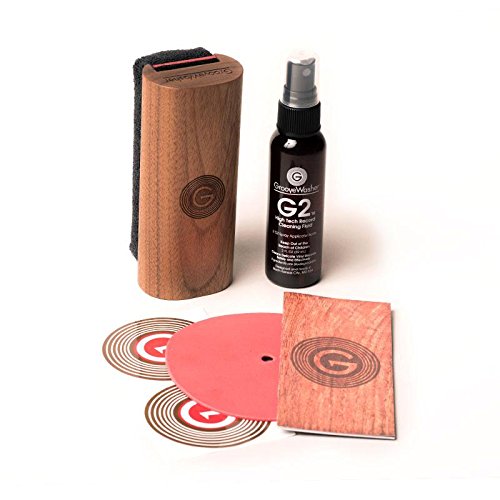
Professional cleaning system with microfibre brush, cleaning solution, and storage pouch. Safe for all vinyl types. Essential maintenance for preserving record quality.
Replace paper inner sleeves immediately. Paper generates static that attracts dust back to the surface between plays. Anti-static sleeves break that cycle and protect your collection for decades.
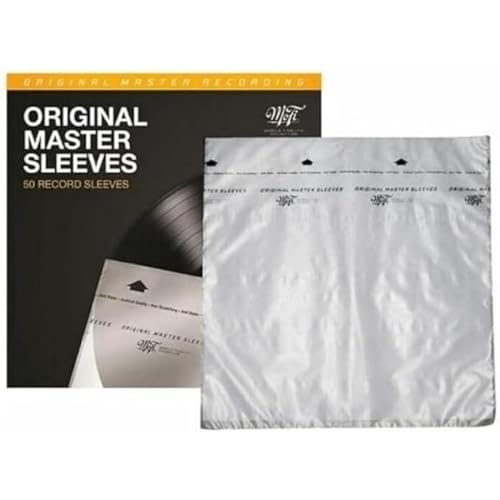
Audiophile-grade polyethylene sleeves preventing static buildup and dust accumulation. Archival quality protecting records for decades. Essential for serious collectors.
If you choose the Rega Planar 1, it has no built-in phono stage. The Pro-Ject Phono Box E is the correct pairing: affordable, quiet, and electrically suited to MM cartridges at this level.
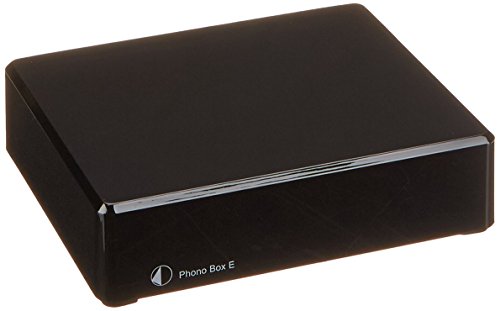
Affordable MM phono preamp offering significant upgrade over built-in preamps. Clean sound, low distortion, and compact design. Perfect for budget-conscious vinyl enthusiasts.
As an Amazon Associate, we earn from qualifying purchases.
Products Mentioned in This Guide
Find Your Perfect Setup
Answer a few quick questions and get personalised recommendations.
Start the QuizFrequently Asked Questions
What is the best record player to buy in 2026?
For most people, the Audio-Technica AT-LP120XUSB offers exceptional value with direct drive, adjustable pitch control, and built-in preamp. For budget-conscious buyers, the AT-LP60X is hard to beat, while audiophiles should consider the Rega Planar 1 for superior sound quality.
How much should I spend on a turntable?
Entry-level turntables are affordable, mid-range models cost more, and serious audiophile turntables run higher still. Spending in the mid-range typically gives you the best balance of sound quality, build quality, and features that will last for years.
Is it worth buying an expensive turntable?
Higher-end turntables ($700+) deliver noticeably better sound quality through superior components, vibration isolation, and precision engineering. However, you will need decent speakers and a good listening environment to appreciate the difference. For most listeners, a $300-$600 turntable offers excellent performance.
Where can I buy turntables in the US?
Amazon offers competitive prices and fast delivery for most brands. Specialty retailers like Crutchfield, Audio Advice, and Turntable Lab provide expert advice. Best Buy stocks popular models, while independent record shops often carry entry-level turntables.
Related Guides
Best Budget Turntables 2026: Top Picks Under $200
Buying GuideBest Turntables Under $500 2026: Rega vs Pro-Ject vs Audio-Technica
Buying GuideBest Speakers for Turntables 2026 | From $99 to $500
Buying GuideBest Bluetooth Turntables 2026 | Wireless from $179
Buying GuideBest Record Players UK 2026: Expert Picks at Every Budget
reviewsAudio-Technica AT-LP7X Review 2026: Premium Belt-Drive
Ready to find your perfect setup?
Our quiz matches you with the right turntable, speakers, and accessories.
Take the Quiz - It's FreeNo email required