Best Budget Turntables 2026: Top Picks Under $200

Vinyl collector for over thirty years. Found my first turntable and a box of records in the loft at twelve — Nashville Skyline, After the Gold Rush, Disraeli Gears. Still spinning on a vintage Sony PS-X600.
Just so you know, some links on this page are affiliate links. If you buy something via them, we get a small kickback. You don't pay more, but it helps toward the next record.
Under two hundred bucks. That's all it takes to get a turntable that actually sounds good, won't damage your records, and should last for years. Not a suitcase player that grinds your grooves flat. Not some plastic toy from a big-box store's clearance section. A proper turntable.
The vinyl comeback has flooded this price range with options, and most of them are either overpriced junk or dangerously cheap junk. This guide cuts through the noise.
Quick Comparison
| Turntable | Best For | Bluetooth | Built-in Preamp | |
|---|---|---|---|---|
| Audio-Technica AT-LP60X | Best overall | No | Yes | Check Price on Amazon |
| Sony PS-LX310BT | Wireless | Yes | Yes | Check Price on Amazon |
| *Prices shown are approximate at time of review. Click "Check price" for current pricing.* |
The best option here is the Audio-Technica AT-LP60X unless you need wireless. If you do, the Sony PS-LX310BT is worth the small premium.
Audio-Technica AT-LP60X: Why It Wins
The AT-LP60X owns this price bracket and has for years. Audio-Technica has been making turntables since 1962. They know which corners can be cut without hurting what matters, and they've cut exactly those.
Belt-drive motor isolates vibrations properly. Tonearm tracks at the right force for vinyl safety. Built-in phono preamp means you connect directly to powered speakers, no extra gear. Hit the button, the arm drops, music plays. Side ends, everything returns. Done.
What Hi-Fi?, Stereophile, and Sound & Vision all name it the budget king. But the owner forums convinced me more. People who bought this as their "starter" turntable five, six, seven years ago are still using it daily. They planned to upgrade. Never needed to.

Best under $200, fully automatic, built-in preamp, safe tracking force
The sound surprises people. It won't reveal every production detail like a $500 deck, but it presents music warmly and enjoyably. Bass is present without being muddy. Highs exist without harshness. For everyday listening, for getting into your parents' old collection, for Record Store Day finds, it just works.
What you give up: manual operation, the ability to swap cartridges (stylus is replaceable, cartridge isn't), and the absolute last word in fidelity. Reasonable trade-offs at this price.
Sony PS-LX310BT: When Wireless Matters
The Sony PS-LX310BT adds Bluetooth to a turntable that otherwise matches the LP60X. Pair it with Bluetooth speakers or headphones and listen without running cables across the apartment.
Some audiophiles will insist Bluetooth destroys the vinyl experience. They're exaggerating. Modern codecs (the Sony supports aptX) deliver quality most people can't tell from wired in a normal living room. The convenience is real.
Already own a Bluetooth speaker? Use it. Want to listen late at night on wireless headphones? Done. Wired outputs are still there when you want them. Check our best Bluetooth turntable guide for more wireless options.

Best wireless under $200, Bluetooth to any speaker, solid build quality
You're paying a small premium over the LP60X for the Bluetooth. Worth it if you'll use it. Skip it if everything's getting wired anyway.
What You Give Up Under $200
Budget turntables compromise. Here's where:
The cartridges are basic. Functional, not revelatory. You can't swap them for better ones on these models. Tonearms are fixed designs without adjustable tracking force or anti-skate. Build materials lean plastic over metal.
Speed accuracy might drift slightly. A precision measuring device could detect it. Your ears probably won't. Motor isolation is good, not great, heavy footsteps nearby might cause a skip on rare occasions.
These compromises matter if you're seriously into audio. They're completely acceptable trade-offs for enjoying music at an accessible price. Your records stay safe. Your music sounds good. Your wallet stays intact. If your budget can stretch past this bracket, I've laid out what each step up actually buys you in my full guide to the best record players in the US.
What to Avoid
The cheapest suitcase "turntables" all over Amazon and Target are not deals. They're record destroyers in vintage clothing.
Those suitcase players track at 5-7 grams of force. Safe tracking is around 2 grams. The extra pressure physically damages your records every time you play them. After a few hundred plays, your vinyl sounds noticeably worse on any turntable. The damage is permanent.
Cheap ceramic cartridges lack the compliance of proper magnetic ones. The built-in speakers vibrate the unit while playing. And they sound terrible.
A cheap Crosley Cruiser will cost you more in damaged records than you ever saved buying it instead of a proper deck. Our Crosley vs Audio-Technica comparison has the full breakdown.
Complete Budget Setup
A turntable alone doesn't make sound. You need speakers. Here's a complete setup that stays affordable:
Audio-Technica AT-LP60X plus Edifier R1280T powered speakers. Connect with the included RCA cable. Check Price on Amazon Check Price on Amazon
Both have built-in amplification. No separate amp. No complicated wiring. Plug in and play. The Edifiers are well-reviewed budget speakers that pair great with turntable output. See our turntable with speakers guide for more combos.
For the Sony, any Bluetooth speaker you already have works. Makes it especially appealing if you've got wireless audio gear.
Three Things to Consider Before Buying
1. Do you need Bluetooth, or do you just think you do?
Answer this honestly before comparing anything else. If you have wired powered speakers or plan to buy them, the AT-LP60X is the correct choice, every dollar you save on Bluetooth goes toward the audio chain that affects sound quality. If you already own Bluetooth speakers or want late-night wireless headphone listening, the Sony is worth the premium. Most people underestimate whether they'll actually use wireless. How many devices do you currently own that you bought "for the wireless" and eventually wired anyway?
2. What speakers are you connecting to?
A turntable needs powered speakers (with a built-in amplifier) or passive speakers plus a separate amplifier. Most people starting vinyl go with powered speakers, simpler setup, fewer boxes. The AT-LP60X connects via standard RCA cables to any powered speaker. Budget for a decent pair, the Edifier R1280T is the standard recommendation. Your speaker budget matters as much as your turntable budget: a good deck through decent speakers sounds noticeably better than the same deck through cheap computer speakers.
3. Will you want to upgrade the cartridge later?
Neither the AT-LP60X nor the Sony PS-LX310BT allows cartridge upgrades, the cartridge is fixed (though the stylus is replaceable when it wears out). If you know you'll want to chase better sound through cartridge swaps, start with the AT-LP120X which accepts any standard 1/2-inch cartridge. The upgrade path exists, it just requires the right starting point.
Making Your Decision
Best sound and value per dollar: get the AT-LP60X. Safe choice that satisfies most people. Check Price on Amazon
Wireless flexibility matters: the Sony PS-LX310BT justifies the premium. Check Price on Amazon
Want features these don't offer, adjustable tracking force, cartridge upgrades, manual operation, the LP120X is the next step up. Different price bracket, but worth knowing about.
Questions Buyers Ask
How do I connect the Sony PS-LX310BT to a Bluetooth speaker?
Press and hold the Sony's Bluetooth button until the indicator flashes, then put your speaker in pairing mode. They connect automatically and remember each other afterward. For the AT-LP60X (which has no Bluetooth), you need either a wired RCA connection or a Bluetooth audio transmitter, a small device that plugs into the RCA output and broadcasts wirelessly. Transmitters are an inexpensive add-on and work well for casual listening, though a native Bluetooth turntable like the Sony has a cleaner signal chain.
Will these turntables damage my records?
No, both track at around 3g of force, which is within safe limits for vinyl. What damages records is tracking at 5g or more (common on $50 toy turntables) or playing with a worn-out stylus. The AT-LP60X and Sony both use quality magnetic cartridges at appropriate tracking force. Play them for years without worrying about accelerated record wear. Replace the stylus every 300 to 500 hours of play and your records will be fine.
Do I need a separate phono preamp?
Not with these two. Both include built-in phono preamps. Connect the RCA outputs directly to powered speakers using the LINE input (not PHONO) or to the LINE/AUX input on a receiver. If your receiver has a dedicated PHONO input, that works too, though neither turntable has a bypass switch to disable the internal preamp, so you'd be double-amplifying the signal. Stick with LINE input for both, and the built-in preamp handles everything correctly.
Is the AT-LP60X better than the AT-LP60XBT?
The LP60XBT is the AT-LP60X with Bluetooth added. If you need wireless, it's a straightforward upgrade. But the Sony PS-LX310BT is the better wireless turntable of the two, better Bluetooth codec (aptX vs standard), better build materials, and a stronger track record. If you want wireless, the Sony is the stronger choice. If you're buying wired, the standard AT-LP60X is all you need.
How long will a turntable like this actually last?
The AT-LP60X specifically has an exceptional longevity reputation. Posts on r/vinyl and the Audio-Technica forums regularly describe 7-10 years of daily use without mechanical failure. The stylus wears out eventually, replace it every 300 to 500 hours of play for a modest sum, but the mechanism itself is durable. The Sony PS-LX310BT is newer with less long-term data, but Sony's historical turntable quality from their Japanese manufacturing lines was excellent. Both significantly outperform their price class for longevity.
What's the path if I want to upgrade?
Both turntables hold decent secondhand value and can be sold when you're ready. The natural progression: AT-LP60X → AT-LP120X. Same brand, same connection types, and the LP120X adds everything the LP60X lacks, cartridge upgrades, manual operation, direct drive, pitch control. Some people keep the LP60X in a bedroom or secondary room even after upgrading. The LP120X is a step up in price, budget for it from the start if you suspect you'll want it within two years.
What stylus replaces the AT-LP60X stylus when it wears out?
The AT3600L replacement stylus is the inexpensive stock replacement, identical to what ships in the box. The LP60X's cartridge is fixed, so there's no meaningful upgrade path, only like-for-like replacement. Stylus life is typically 300 to 500 hours of play, depending on how carefully you handle it. When it starts sounding dull or sibilant, swap it and you're good for another few years. If you find yourself wanting cartridge upgrade options, that's your sign you're ready for the AT-LP120X, the top pick in the best turntables under $500 US.
Can I connect a turntable to a soundbar?
It depends on the soundbar. If it has RCA inputs (two round connectors, red and white), you can connect directly from the turntable's RCA outputs. Most soundbars today only have HDMI ARC and optical inputs, which won't accept analog turntable signal directly. For those, you'd need a DAC (digital-to-analog converter) between the turntable and soundbar, which adds cost and complexity. Powered bookshelf speakers with RCA inputs are a simpler, better-sounding pairing for a turntable at this budget. The Edifier R1280T's RCA inputs work directly with both turntables in this guide, and they're a better investment than the average soundbar for music listening.
What's the difference between the AT-LP60X and AT-LP60X-USB?
The USB version adds a port for recording vinyl directly to your computer, same turntable otherwise. If you want to digitize records (rare pressings, family collections, albums not on streaming), the USB version is worth the modest premium. If you'll only be listening, skip it. Audio-Technica hasinstructions for using free recording software (Audacity), and the USB output quality is adequate for casual archiving. The main limitation: the LP60X's fixed cartridge limits recording quality compared to a more capable turntable, if archiving quality matters, the AT-LP120XUSB is the better investment.
Both treat your records right. Both sound better than budget equipment has any business sounding. Either one gets you playing vinyl today, which is the whole point. Pick one, bring it home, put something on.
One more thing worth knowing: neither turntable is a dead end. The AT-LP120XBT's cartridge is upgradeable through the removable headshell, the first upgrade most people make is the Nagaoka MP-110, which transforms the sound noticeably. The AT-LP60X's cartridge is fixed, but its value is that it does everything correctly at this price point. When you outgrow it, you sell it and move on. Both paths lead to the same place: more vinyl, better sound, and wondering why you waited so long to start.
What to Look for Under $200
Since both AT-LP60X variants and the Sony are the right answers at this price, it's worth explaining what separates them from the products you should skip.
Magnetic cartridge. The AT-LP60X and Sony PS-LX310BT both use magnetic cartridges that track at 3 to 3.5 grams. Ceramic cartridges, found in most Crosley and Victrola products, track at 5 to 7 grams and cause accelerated groove wear. If a turntable doesn't specify magnetic or state the tracking force, assume ceramic.
Built-in phono preamp. Both recommended turntables have switchable phono preamps. Set the switch to LINE for powered speakers, or to PHONO when connecting to a receiver with a dedicated PHONO input. Without a preamp, you need a separate phono stage (a small extra cost). Both these models make setup easier by including one.
Belt drive vs. direct drive. Both the AT-LP60X (belt) and Sony PS-LX310BT (belt) use belt drive. Belt drive isolates the motor from the platter, reducing vibration noise. Direct drive is used in the AT-LP120X at the higher price point. For home listening under $200, belt drive is standard and works well.
Automatic operation. All three recommended turntables are fully automatic, the tonearm moves and drops itself, returns when the side ends. This is a feature at this price, not a limitation. Manual turntables at this price range have lower-quality tonearm bearings than automatic ones. Manual operation becomes worthwhile at the $300+ range where better bearings make the difference audible.
What the Sony's small premium buys. Bluetooth output. The ability to pair the turntable with any Bluetooth speaker you already own. For most people, the premium is worth it only if you have a Bluetooth speaker you'd actually use. If you're buying powered speakers specifically for vinyl, spend that money on better speakers instead of Bluetooth you may never use.
Speaker Pairing Under $200
Getting the most from a budget turntable
Every turntable in this range benefits from proper setup. The factory sets approximate tracking force and cartridge alignment, but spending fifteen minutes with a digital stylus gauge and a printed alignment protractor (free download) tightens up the sound noticeably. Set tracking force to the middle of the manufacturer's recommended range. Align the cartridge using the Baerwald geometry protractor. These two adjustments reduce distortion and improve clarity, especially on inner grooves where budget turntables struggle most.
Record care on a budget
Clean records sound dramatically better and extend stylus life. A carbon fibre brush used before every play removes surface dust that causes pops and crackle. Store records vertically in their inner sleeves, never stacked flat. Replace paper inner sleeves with anti-static poly-lined sleeves (an inexpensive upgrade) to prevent static buildup and surface scratches. These small investments protect your record collection and keep playback quality consistent.
When to upgrade vs when to be content
The turntables in this guide produce genuinely enjoyable music. They have limitations compared to $500+ turntables, but those limitations are subtle. The Audio-Technica AT-LP60X plays records cleanly and reliably. It does not have the detail retrieval or bass definition of a $400 turntable, but the gap is smaller than marketing materials suggest.
Upgrade when: you consistently notice inner-groove distortion on complex passages, you want to explore cartridge options (the LP60X has a fixed cartridge), or you start building a serious collection and want to protect your records with a better tracking mechanism. Stay content when: you enjoy listening to records and the music sounds good to your ears. No forum post or review should convince you to upgrade something that already makes you happy.
The used turntable option
Vintage turntables from the 1970s and 1980s (Technics, Pioneer, Dual) often outperform new turntables at the same price. A used Technics SL-D2 has a better tonearm and motor than most new turntables under $250. The risk is unknown maintenance history, so test before buying and budget for a new cartridge. A turntable without speakers is incomplete. The AT-LP60X and Sony PS-LX310BT both need powered speakers with RCA inputs.
At this budget, the Edifier R1280T is the standard pairing. Warm, musical, and well-matched to the AT-LP60X's output. The total budget for turntable plus speakers stays modest, an amount that delivers genuinely good sound.
For wireless: pair the Sony PS-LX310BT with any Bluetooth speaker you own. Or add the Edifier R1280DB which accepts both RCA and Bluetooth, giving you wired vinyl and wireless streaming in one set of speakers.
See our best speakers for turntable guide for more options at every price point.
The Bottom Line on $200 Turntables
This price range is honest. You get a turntable that works correctly, treats your records with appropriate care, and sounds like vinyl should. You don't get an upgradeable cartridge, high-quality bearings, or the component isolation of a more expensive deck.
When you are ready to step up significantly, the best turntables under $1,000 US guide covers the options worth considering.
What you do get is everything you need to find out whether you love vinyl. If you play records every day for a year on an AT-LP60X and still want more, you've spent your money learning that you're a vinyl person. That is money well spent. If you play records occasionally and find the experience satisfying at this level, that money is well spent too.
The market at this price is mostly noise. The AT-LP60X and its siblings are the signal. Buy one, play records, and the rest will sort itself out.
What You'll Need With It
Clean every record before playing. Factory pressing residue on new records, dust on used ones. Surface noise that people blame on budget turntables is often just dirty records. This kit handles both and takes 30 seconds per record.
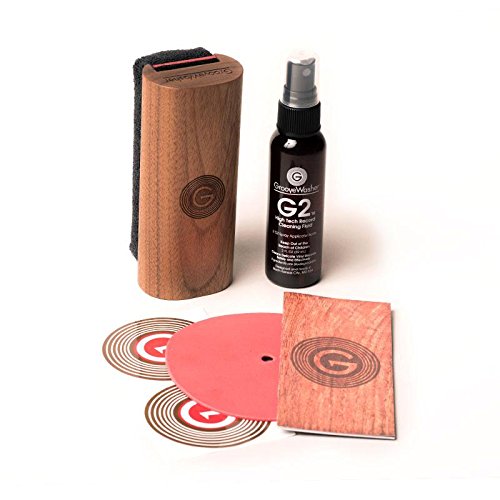
Professional cleaning system with microfibre brush, cleaning solution, and storage pouch. Safe for all vinyl types. Essential maintenance for preserving record quality.
Anti-static inner sleeves prevent static buildup between plays. Paper inner sleeves generate static, static attracts dust, dust grinds into the groove under the stylus. These sleeves break that cycle and keep your records in good shape long-term.
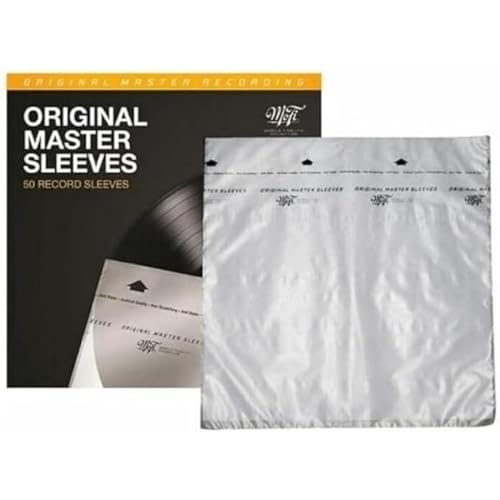
Audiophile-grade polyethylene sleeves preventing static buildup and dust accumulation. Archival quality protecting records for decades. Essential for serious collectors.
As an Amazon Associate, we earn from qualifying purchases.
Products Mentioned in This Guide
Find Your Perfect Setup
Answer a few quick questions and get personalised recommendations.
Start the QuizFrequently Asked Questions
What is the best budget turntable 2026?
The Audio-Technica AT-LP60X is our top budget pick for 2026. It offers fully automatic operation, built-in phono preamp, and reliable belt-drive mechanism. For Bluetooth connectivity, the Sony PS-LX310BT is excellent.
Can you get a good cheap turntable?
Yes. The AT-LP60X sounds genuinely good - not just "good for the price". Avoid cheap all-in-one units with built-in speakers. For under $200, stick to Audio-Technica or Sony. These budget turntables treat your records properly and sound excellent through decent speakers.
Should I buy a turntable with built-in speakers?
Avoid turntables with built-in speakers if sound quality matters to you. The speakers are invariably poor quality and placing them on the same unit as the turntable causes vibration issues. Instead, spend your budget on a proper turntable and connect it to bookshelf speakers or powered monitors.
Is the Audio-Technica LP60 good enough for beginners?
Yes, the AT-LP60X (the updated version) is perfect for beginners. It is fully automatic, requires no setup or calibration, and sounds surprisingly good. It is an excellent way to start collecting vinyl without the complexity of higher-end turntables.
Related Guides
Best Record Players 2026: Expert Picks at Every Budget
Buying GuideBest Speakers for Turntables 2026 | From $99 to $500
Buying GuideBest Bluetooth Turntables 2026 | Wireless from $179
Buying GuideBest Turntables with Speakers 2026 | Complete Setup from $250
Buying GuideBest Budget Turntables UK 2026: Under £200 Picks That Protect Your Vinyl
Ready to find your perfect setup?
Our quiz matches you with the right turntable, speakers, and accessories.
Take the Quiz - It's FreeNo email required