Audio-Technica LP60X vs LP120X 2026 | Which to Buy

Vinyl collector for over thirty years. Found my first turntable and a box of records in the loft at twelve — Nashville Skyline, After the Gold Rush, Disraeli Gears. Still spinning on a vintage Sony PS-X600.
Just so you know, some links on this page are affiliate links. If you buy something via them, we get a small kickback. You don't pay more, but it helps toward the next record.
The AT-LP60X. The AT-LP120X. Both are made by Audio-Technica. Both are good turntables. The price gap buys genuine features, but whether you actually need those features depends entirely on your vinyl ambitions.
This guide compares these two popular turntables across every meaningful dimension: automation, upgrade potential, sound quality, and long-term value. By the end, you'll know exactly which one fits your situation.
Quick Picks
Not sure which setup is right for you?
Take Our QuizSide-by-Side Specifications
| Specification | AT-LP60X | AT-LP120X |
|---|---|---|
| **Drive Type** | Belt (automatic) | Direct (manual) |
| **Start-up Time** | 2-3 seconds | Instant (<50ms) |
| **Automatic Features** | Full auto-start, auto-stop, auto-return | Manual cue (better control) |
| **Cartridge Upgradeable** | No (fixed stylus only) | Yes (removable headshell) |
| **Tracking Force Adjustable** | No (factory preset) | Yes (adjustable 0-3g) |
| **Anti-skate** | No | Yes |
| **Built-in Preamp** | Yes (Bluetooth on some models) | Yes (with bypass switch) |
| **USB Output** | No | Yes (for digitizing) |
| **Pitch Control** | No | Yes (±8 to ±10%) |
| **Platter Weight** | Lighter aluminum | Heavy aluminum (more inertia) |
| **Motor Speed Stability** | Good (±0.3% typical) | Excellent (±0.05% typical) |
| **Bass Quality** | Present, warm | Deeper, more controlled |
| **Soundstage** | Pleasantly narrow | Wider, more depth |
| **Durability** | 5-7 years typical | 10-15+ years typical |
| **Stock Cartridge** | Audio-Technica AT3600L (basic) | Audio-Technica AT-VM95E (elliptical stylus) |
| **Weight** | 6 lbs (lightweight) | 17 lbs (substantial) |
| **Dimensions** | Compact | Larger footprint |
AT-LP60X: The No-Fuss Simple Turntable
The AT-LP60X is fully automatic. Press start, the tonearm drops onto the record. When the side finishes, the arm lifts and returns to home. No counterweight to set, no alignment to understand, no arm cueing to learn. Plug it into powered speakers or an amplifier with preamp and go immediately.
This turntable prioritizes approachability. Everything is preset at the factory. Tracking force, anti-skate, platter balance, all calibrated for optimal performance without user adjustment. The belt-drive motor runs quietly. The phono preamp (standard on most US models) is built in. Basic but functional.
Sound is warm and genuinely pleasant. Bass is present, highs are smooth, and the overall presentation is forgiving of humble record collections. Play a scratched thrift-store record and it doesn't sound punishing. Put on a well-mastered reissue and the warmth becomes a feature, not a limitation.
Honest note: The stock AT3600L cartridge is basic; the stylus will wear noticeably after 500+ hours of play. You can replace the stylus, but not the cartridge itself. Once the cartridge wears beyond stylus replacement, you've hit the end of upgradability. Most LP60X owners keep their turntable 5-7 years, which is reasonable value at this price point.
Limitations: You cannot upgrade the cartridge (fixed head shell), cannot adjust tracking force, cannot add pitch control, and cannot digitize vinyl via USB. No anti-skate adjustment. This is a fixed system by design. Trade-offs for simplicity.
Best for: First-time vinyl buyers who want zero decisions, casual listeners playing thrift-store records, people evaluating whether vinyl is really their hobby, parents buying for teenagers (no technical knowledge needed).

Fully automatic, zero setup, ideal for beginners and casual listeners
AT-LP120X: The Upgradeable Serious Turntable
The AT-LP120X descends directly from the legendary Technics SL-1200, the turntable that defined DJ culture in the 1980s and 90s. This is a completely different machine from the LP60X.
Direct-drive motor for instant start and rock-solid speed stability. Removable headshell so you can swap cartridges as your ears and budget develop. Fully adjustable tracking force (0-3g) and anti-skate. Pitch control (±10%) for creative playback or beat matching. USB output for digitizing vinyl to your computer. Built-in preamp with a bypass switch so you can upgrade to an external preamp later (around $80-200 when you're ready).
It's a manual turntable. You cue the arm yourself, lowering it where you want playback to start. Some find this ritual meditative and important to the vinyl experience. Others find it tedious. The learning curve is gentle, within 3-5 sessions, you'll do it without thinking.
The sound is noticeably better than the LP60X. Better bass definition, cleaner midrange, more spacious soundstage. But the real advantage is upgrade headroom. Swap the stock AT-VM95E cartridge for an AT-VM95EN or Ortofon 2M Red and the improvement is immediately obvious. The LP60X cannot do this. The LP120X can keep improving as your budget and listening skills develop. Five years from now, your LP120X can be a different machine with an upgraded cartridge, external preamp, and acrylic platter.
Honest note: At around $349, the stock cartridge is serviceable but not exceptional. Budget an extra $59-99 for a worthwhile cartridge upgrade within the first 6 months if you want significant improvement. Otherwise, plan to spend on the cartridge upgrade path within the first year.
Strengths: Tank-like build quality, direct-drive reliability, massive upgrade ecosystem, removable cartridge, industry-standard design borrowed from the SL-1200, excellent resale value.
Weaknesses: Requires manual operation (not automatic), heavier to move than the LP60X, direct-drive motor can couple vibration if not isolated properly on a lightweight shelf.
Best for: Vinyl enthusiasts already buying records regularly, anyone planning to build a serious collection, DJs or anyone wanting pitch control, people who want genuine upgrade flexibility, listeners who know vinyl is their long-term hobby, musicians wanting to sample or remix vinyl.

Direct drive, manual, fully upgradeable, built to last 15 years
The Sound Difference: Is It Real?
Yes, the LP120X genuinely sounds better. Better bass definition, tighter control, wider soundstage. Measurably better speed stability (direct drive vs belt drive). But the difference becomes obvious only if your speakers and hearing are developed enough to detect it.
Typical scenario: A new vinyl buyer with budget powered speakers will play both turntables and prefer the LP60X (warmer, more forgiving). A listener with quality passive speakers and trained ears will prefer the LP120X (cleaner, more detailed). The turntable isn't the limiting factor for a beginner, the speakers are.
Upgrade path truth: Better to buy an LP60X now and upgrade your speakers within a year than to buy an LP120X and use cheap speakers that can't reveal its capabilities.
What to Avoid
- Choosing based on automatic operation alone: Automation is convenient, but manual operation on the LP120X becomes natural fast and gives better control. Don't skip the LP120X just because of the learning curve. - Expecting massive sound improvement from LP120X if using budget speakers: Speaker quality matters more than turntable quality at this price point. - Buying the LP60X expecting upgrade potential: It's a fixed system. Accept that limitation or spend the extra around $200 for the LP120X's flexibility. - Assuming the LP60X is only for beginners: Many experienced vinyl collectors use LP60X as a casual turntable for thrift-store finds and don't care about upgrading. - Ignoring the upgrade path cost: If you choose the LP120X, budget an additional around $59-99 for a cartridge upgrade within the first 6-12 months. That brings your real entry cost to around $400-450, not around $349.
The Real $200 Question
Is the LP120X worth around $200 more than the LP60X? That depends entirely on your vinyl commitment level:
Choose the LP60X if: You're testing whether vinyl fits your lifestyle. You want simplicity. You're playing casual records. You enjoy the ritual of automatic start/stop. You never plan to tweak equipment. Budget is tight. You're buying for someone who just wants to play records without learning anything.
Choose the LP120X if: You're buying records regularly. You plan to keep the turntable 10+ years. You want upgrade flexibility. You might DJ or mix occasionally. You enjoy the ritual of manual cueing. You want to optimize sound quality. You want better speed stability for critical listening.
FAQ
Can I upgrade the LP60X later? No. The cartridge is fixed, headshell is non-removable, and tracking force cannot be adjusted. If you later want these features, you'll need to sell the LP60X and buy a different turntable.
Is the LP120X really better for casual listeners? Measurably yes (better speed stability, sound quality). But a casual listener using budget speakers won't hear the difference. The LP120X makes sense if you're a casual listener who might become serious later.
What's the upgrade cost if I buy the LP120X? Budget around $59 for a better cartridge (AT-VM95E), or around $99 (Ortofon 2M Red) within 6-12 months. Later, maybe around $100-150 for an external preamp. Upgrade path is real but not mandatory.
Is the LP60X suitable for a record collection over 500 records? Yes, but not ideal. The stock cartridge will wear noticeably. Expect to replace the stylus every 300-500 hours. At that point, you've hit the end of the LP60X's upgrade path. The LP120X is better for serious collectors.
Will the LP120X last longer than the LP60X? Yes. Direct-drive motors last 15-20+ years if maintained. LP60X belt-drive units typically last 5-7 years before the belt starts degrading. However, replacing a belt costs around $15-25 and extends the LP60X lifespan another 3-5 years.
Which should I buy if I'm unsure? The LP120X. It's harder to outgrow. Even if you use it casually for a year, having upgrade capability means you won't feel limited if your interest grows. You can always use the LP60X as a casual turntable later if you want a simple backup deck.
Can I use the LP60X for a 500-record collection? Technically yes, but practically no. The stylus wears noticeably after 300-500 hours of play. At that point, you've exhausted the upgrade path. For serious collectors, the LP120X's replaceable cartridge makes more sense long-term.
Will the LP60X really need belt replacement? Yes. Direct-drive motors last 15-20+ years if maintained. LP60X belt-drive units typically last 5-7 years before the belt starts degrading. Replacing a belt costs around $15-25 and extends the LP60X lifespan another 3-5 years. This is a simple task, not a dealbreaker.
How much better does the LP120X really sound? Measurably better in speed stability (direct drive is more precise than belt drive). Notably better in bass definition and soundstage. Whether you hear the difference depends on your speakers and listening experience. With budget powered speakers, you'll barely notice. With quality passive speakers, the difference becomes obvious.
Is the LP120X suitable for a bedroom? Yes. The direct-drive motor is actually quieter than belt-drive in some cases. The heavier weight (17 lbs vs 6 lbs) gives better isolation if placed on a proper shelving unit. Not recommended for lightweight desks.
Upgrade Cost Reality
Don't buy an LP120X expecting stock performance. Budget like this: - Turntable: around $349 - Better cartridge (AT-VM95E or Ortofon 2M Red): around $59-99 - Optional preamp upgrade (1-2 years later): around $100-150 - Optional acrylic platter (later): around $50-100
Real entry cost for "optimized LP120X system": around $420-450, not around $349. This is still good value for a 10-year turntable.
Long-Term Value Comparison
LP60X over 5 years: - Purchase: around $149 - Stylus replacements (2x): around $30 - Possible belt replacement: around $20 - Total invested: around $199 - Resale value: around $80-100 - Net cost: around $99-119 per year
LP120X over 5 years: - Purchase: around $349 - Cartridge upgrade (year 1): around $79 - Preamp upgrade (year 2-3): around $120 - Acrylic platter (optional, year 3): around $0-80 - Total invested: around $548-628 - Resale value: around $280-350 - Net cost: around $198-348 total, or around $40-70 per year
The LP120X becomes cheaper per year once you factor in resale value and upgrade flexibility. This assumes you actually use the upgrade capability. If you leave the stock cartridge untouched, the LP60X is cheaper overall.
What I’d Buy Today
The AT-LP120X for most buyers who've made it this far. If you're reading a comparison guide, you're exactly the kind of person who'll eventually want to swap cartridges, and the LP60X locks you out of that. Budget for the turntable plus the AT-VM95E cartridge upgrade within six months, and you have a setup that sounds genuinely good and keeps improving.
The AT-LP60X is the right call only if you genuinely want zero involvement, press play, records happen, done. No upgrades, no adjustments, no curiosity. It delivers that experience well.
Final Thoughts
These are both legitimate turntables solving different problems. The LP60X solves the "I want to play records without thinking about equipment" problem. The LP120X solves the "I want a turntable that grows with my enthusiasm" problem.
Neither is objectively better. Better is defined entirely by what you'll actually do. A first-time buyer shouldn't feel pressured into the LP120X if casual listening is the goal. A serious collector shouldn't settle for the LP60X if building a library is the plan.
Both maintain excellent resale value on secondhand markets. Both will hold around 60-70% of purchase price after 2-3 years of use. This residual value matters if you change your mind or want to upgrade to something completely different later.
For deeper exploration, see our turntable under around $500 guide for other options in this price range, and our cartridge upgrade guide for detailed information about the LP120X's upgrade path.
Both turntables include all cables needed to connect to powered speakers. No additional purchases are required to start playing records on day one. Long-term value and upgradeability
The LP60X is a closed system. The cartridge is not user-replaceable (only the stylus swaps). When you outgrow it, you replace the entire turntable. The LP120XUSB accepts any standard half-inch mount cartridge, meaning you can upgrade the cartridge multiple times as your ears and budget develop. A $100 cartridge upgrade on the LP120X produces a bigger improvement than buying a $300 turntable. This upgradeability means the LP120X grows with you rather than being replaced. ## What You Actually Get for the Extra $150
The LP120X costs around $150 more than the LP60X. Here is what that buys in concrete terms.
A removable headshell: the LP120X lets you swap cartridges in under two minutes without tools. The LP60X's cartridge is fixed. When the LP60X stylus wears out after 500 to 1000 hours, you replace just the stylus for around $20. When you want a better cartridge on the LP120X, you can spend anywhere from $50 to $300 on an upgrade that transforms the sound.
A bypassable phono preamp: the LP120X includes an internal preamp with a switch that disables it entirely. Start with the internal preamp. When you add an external phono stage, bypass the internal one and hear the difference immediately. The LP60X has a fixed internal preamp you cannot bypass.
Manual operation: the LP120X requires you to lift and place the tonearm yourself. This sounds like a step backward from the LP60X's automatic operation, but most serious listeners prefer manual control. You choose exactly where the needle lands. You control pacing between tracks. The ritual of manual operation is part of what makes vinyl enjoyable at this level.
Direct drive: no belt to replace, ever. Both turntables will outlast their styli multiple times over, but the LP120X adds one fewer maintenance item to the equation. For listeners who plan to keep the same turntable for a decade, this is meaningful.
If you already know you will want to chase better sound through cartridge upgrades, the LP120X is the correct choice from the start. If you want to enjoy records with minimal involvement, the LP60X delivers that perfectly.
Both turntables play the same records, spin at the same speeds, and fill the same rooms with music. The difference is in where you can take them next.
What You'll Need With It
Clean every record before playing. Both the LP60X and LP120X reward clean vinyl, and a basic cleaning habit protects the stylus regardless of which model you choose. Surface noise that people attribute to budget turntables is often just dirty records.
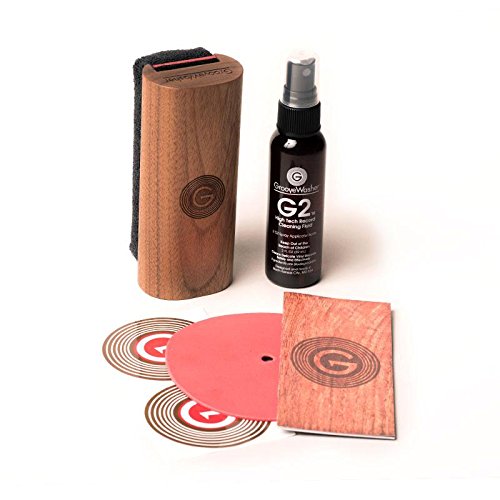
Professional cleaning system with microfibre brush, cleaning solution, and storage pouch. Safe for all vinyl types. Essential maintenance for preserving record quality.
Replace paper inner sleeves with anti-static ones. Paper generates static that attracts dust back to the surface between plays. These sleeves break that cycle and keep records in good shape across hundreds of hours on either deck.
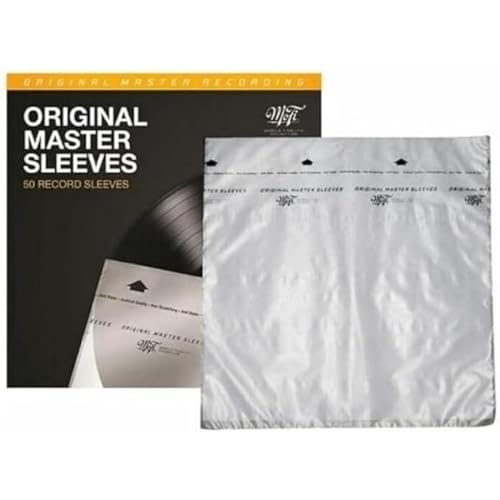
Audiophile-grade polyethylene sleeves preventing static buildup and dust accumulation. Archival quality protecting records for decades. Essential for serious collectors.
Find Your Perfect Setup
Answer a few quick questions and get personalised recommendations.
Start the QuizFrequently Asked Questions
What is the difference between the LP60X and LP120X?
The LP60X is a fully automatic, belt-drive turntable aimed at beginners - press start and it plays. The LP120X is a manual, direct-drive turntable with adjustable pitch control, removable headshell, and better build quality. The LP120X offers superior sound quality and upgrade potential.
Is the AT-LP120X worth the extra money over the LP60X?
If you are serious about vinyl, yes. The LP120X sounds noticeably better, allows cartridge upgrades, has adjustable tracking force, and the direct-drive motor offers better speed stability. However, if you just want to play occasional records casually, the LP60X is perfectly adequate and much simpler to use.
Which Audio-Technica turntable should a beginner buy?
If you want absolute simplicity and minimum cost, buy the LP60X. If you think you will get seriously into vinyl collecting and want room to grow, step up to the LP120X - you will not outgrow it. The LP120X also makes sense if you plan to DJ or need pitch control.
Can you upgrade the cartridge on the LP60X?
No, the LP60X has a permanently mounted cartridge that cannot be upgraded or replaced (though you can replace the stylus). The LP120X has a removable headshell, allowing you to upgrade to better cartridges like the Ortofon 2M Red or Audio-Technica VM540ML for improved sound quality.
Related Guides
Best Budget Turntables 2026: Top Picks Under $200
Buying GuideBest Record Players 2026: Expert Picks at Every Budget
How-ToRecord Player Beginners Guide 2026 | Start from $250
Setup GuideTurntable Cartridge Upgrade Guide 2026 | From $59
ComparisonAudio-Technica LP60X vs LP120X UK 2026 | Which to Buy
Ready to find your perfect setup?
Our quiz matches you with the right turntable, speakers, and accessories.
Take the Quiz - It's FreeNo email required