Audio-Technica LP60X vs LP120X UK 2026 | Which to Buy

Vinyl collector for over thirty years. Found my first turntable and a box of records in the loft at twelve — Nashville Skyline, After the Gold Rush, Disraeli Gears. Still spinning on a vintage Sony PS-X600.
Just so you know, some links on this page are affiliate links. If you buy something via them, we get a small kickback. You don't pay more, but it helps toward the next record.
Two turntables, one brand, very different purposes. The Audio-Technica AT-LP60X and AT-LP120X are both popular choices, but they serve different needs. The LP60X is a plug-and-play beginner turntable. The LP120X is an enthusiast platform you can upgrade for years. The real decision is whether you're buying to try vinyl or committing to a hobby.
Quick Comparison
| Spec | AT-LP60X | AT-LP120X |
|---|---|---|
| Value | Lower price | Higher, buys direct drive |
| Drive type | Belt drive | Direct drive |
| Operation | Fully automatic | Manual |
| Motor | DC servo | DC servo direct drive |
| Stock cartridge | AT3600L (fixed) | AT-VM95E (removable) |
| Cartridge upgradeable | No | Yes (standard 1/2" mount) |
| Tracking force adjustable | No | Yes (counterweight) |
| Anti-skate adjustable | No | Yes |
| Pitch control | No | Yes (+/-8% with quartz lock) |
| Preamp bypass | No | Yes (LINE/PHONO switch) |
| USB output | No | Yes |
| Speeds | 33/45 RPM | 33/45/78 RPM |
| Platter | Die-cast aluminium | Die-cast aluminium with slip mat |
| Weight | 2.6kg | 8kg |
| Dimensions | 36 x 37 x 10cm | 45 x 35 x 14cm |
| Best for | Beginners, casual listeners | Enthusiasts, DJs, long-term use |
The LP60X: Simplicity First
The AT-LP60X prioritises ease of use. Fully automatic operation: press start, the arm lowers, the record plays. When it ends, the arm lifts and returns. No fiddling required.
Belt drive, built-in phono preamp, fixed cartridge. You cannot adjust tracking force, swap cartridges, or tweak anything. That's intentional. The LP60X is designed for people who want to play records without thinking about settings. If that fixed cartridge is the dealbreaker, the AT-LP60X vs Pro-Ject E1 head-to-head pits it against an upgrade-ready audiophile deck at the next tier up. And if it's the LP120X family you're weighing up, the AT-LP140XP vs LP120XBT comparison explains the split between the convenience deck and the purist one built on the same chassis.
Sound quality is perfectly adequate. Not exceptional, not poor. It plays records well and won't damage them. The AT3600L cartridge tracks at a factory-set force of around 3g (rated 2.5 to 3.5g), which is safe for all vinyl.
Setup takes about two minutes. Place the platter, loop the belt around it, connect the RCA cables to your speakers, and press start. That's genuinely all there is to it.

The simplicity pick, fully automatic, no setup, just press play
The LP120X: Enthusiast Territory
The AT-LP120X is built for control and upgradeability. Direct drive motor with quartz-locked pitch control. Removable headshell for cartridge swapping. Adjustable counterweight for precise tracking force. Anti-skate dial. Bypass switch for the built-in preamp. USB output for digitising vinyl.
The design descends from the legendary Technics SL-1200, and it shows. The LP120X weighs three times as much as the LP60X. That mass means better vibration resistance and a more stable platform for the stylus.
DJs use LP120X units for scratching and beat matching. Collectors use them as long-term platforms for cartridge upgrades. The stock AT-VM95E cartridge is already very good, but you can swap it for anything from a £30 Ortofon to a £300 Nagaoka without buying a new turntable.
Setup takes 10-15 minutes. You need to attach the headshell, set the counterweight balance, dial in tracking force (2g for the stock cartridge), and adjust anti-skate. Audio-Technica's manual walks you through it clearly, and you only do it once unless you change cartridges.

The enthusiast pick, direct drive, upgradeable cartridge, lifetime turntable
Sound Quality: How Big Is the Difference?
The LP120X sounds better. Fuller bass, more detail, better dynamics. But how much better depends on what you're listening through.
Through £50-100 speakers: Both sound good. The LP120X's advantages are audible but not dramatic. At this speaker level, the LP60X delivers 80% of the experience for 45% of the price.
Through £200-300 speakers: The LP120X pulls ahead noticeably. The LP60X starts to sound a bit thin and less controlled in the bass. This is where the extra £150 starts to feel justified.
Through £500+ speakers or a proper hi-fi amp: The LP120X is the clear choice. You'd be bottlenecking a good system with an LP60X. And the LP120X has room to grow further with a cartridge upgrade.
The stock cartridge makes a real difference here. The LP120X's AT-VM95E is a genuinely capable cartridge that retails for about £35 on its own. The LP60X's AT3600L is functional but basic.
Cartridge Upgrades: The LP120X's Killer Advantage
This is the real reason to spend the extra £150. The LP60X's cartridge is permanent. When the stylus wears out (roughly 300 to 500 hours of play), you replace the stylus only. You can never improve the sound beyond what Audio-Technica shipped.
The LP120X accepts any standard 1/2-inch mount cartridge. Popular upgrade paths:
- AT-VM95EN, elliptical nude stylus, noticeable detail improvement over stock - **Ortofon 2M Red*, warm, musical character, excellent for rock and pop - *Audio-Technica VM95E**, clean detail and superb tracking, the default budget upgrade - AT-VM95ML, microline stylus, extracts detail most cartridges miss
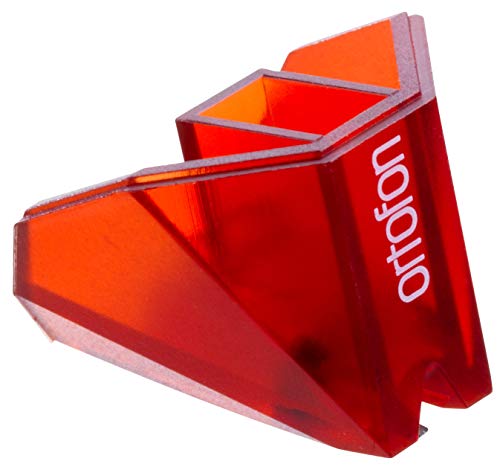
The most popular LP120X upgrade, warm, musical, transforms the sound

Clean detail, superb tracking, an upgradeable stylus path, the default budget upgrade
Each upgrade transforms the turntable. A £130 cartridge on a £270 LP120X will outperform turntables costing £600+ with stock cartridges. The LP120X's tonearm is good enough to handle cartridges well above its price class. The two that come up most for this deck are the Nagaoka and the Audio-Technica VM95E, and if you're torn the Nagaoka MP-110 vs AT-VM95E comparison lays out the warm-versus-upgradeable choice in full.
What About the Bluetooth Versions?
Both turntables come in Bluetooth variants:
- AT-LP60XBT, LP60X with Bluetooth streaming to wireless speakers - AT-LP120XBT-USB, LP120X with aptX Adaptive Bluetooth
The Bluetooth versions add about £30-80 to the price. They're worth considering if you plan to use wireless speakers, but there's a catch: Bluetooth compresses audio. You lose some of the detail that makes vinyl appealing in the first place.

LP60X with Bluetooth, stream wirelessly to any BT speaker, same automatic operation

LP120X with aptX Adaptive Bluetooth, all the enthusiast features plus wireless
If you already own Bluetooth speakers and don't want cables, the BT versions make sense. If you're buying new speakers, wired powered speakers (like the Edifier R1280T) will sound better for less money than a BT turntable plus BT speaker.
Who Should Buy the LP60X
Beginners uncertain if vinyl will stick. People wanting zero complexity. Those with modest speaker setups. Anyone prioritising simplicity over features. Budget-conscious buyers. Students. Gift recipients.
The LP60X is a safe, sensible, and genuinely well-engineered choice at its price. If you decide to upgrade later, you've lost £120, the price of a few nights out. If vinyl becomes a lifelong hobby, the LP60X still serves as a bedroom or secondary unit. See our complete best turntables under £200 guide for more options in this price range.
Who Should Buy the LP120X
Those confident they'll enjoy vinyl long-term. Anyone planning to upgrade cartridges. People with good speakers who want to hear the difference. Collectors building a serious vinyl library. Those who enjoy adjusting settings. DJs at any level.
The LP120X is a genuinely long-term investment. Many owners keep them for a decade or more, upgrading cartridges while the turntable itself remains. The direct drive motor doesn't have a belt to replace, and the build quality is genuinely robust. It grows with you in a way the LP60X simply cannot.
Who Actually Buys Each One
The LP60X buyer usually fits one of a few profiles. First: someone genuinely uncertain whether vinyl will stick. They want to play records without committing to a hobby. Second: a parent who used to collect and wants back in without learning new gear. Third: a gift recipient who just wants it to work. The LP60X serves all of them perfectly, no setup anxiety, no adjustment, press start and music plays.
The LP120X buyer falls into two distinct camps. First: the enthusiast who's already decided this is the thing. They've been borrowing someone's turntable, or they've had an LP60X for a year and spent half that time reading about cartridge upgrades. Second: the practical buyer who does the maths and realises that a fixed cartridge is a hidden long-term cost. Spend up now, improve sound through swaps rather than buying a second turntable.
The most common pattern in vinyl communities: buy an LP60X, fall in love, spend six months wishing for the cartridge upgrades you can't make, buy an LP120X. This cycle is well-documented enough that it has its own reputation. If you're already enthusiastic about vinyl before you've started, start with the LP120X. You'll get there anyway, might as well skip the middle step.
Questions People Actually Ask
Will the LP60X damage my records?
No, and this is worth addressing directly because the concern comes up constantly. The LP60X tracks at up to 3.5g (factory-set around 3g), higher than the LP120X's 2g, but well within safe limits. Records tracked harder do wear slightly faster, but the difference is marginal across a casual listener's collection. You won't notice. What actually damages records is tracking at 5g or more (common on cheap toy turntables) or playing with a worn-out stylus. Neither applies here.
Is the sound difference actually audible on average speakers?
Yes, through anything costing £150 or more. The LP120X sounds noticeably fuller, better bass definition and more dynamic range. Through very basic computer speakers or a £50 mini system, the gap narrows considerably. The LP120X's advantage widens significantly as speaker quality improves. Through a £200+ speaker setup, most listeners hear the difference on the first album.
Can we use an external phono preamp with the LP60X?
No, and this is a common mistake worth preventing. Unlike the LP120X, the LP60X has no preamp bypass. The signal is already amplified when it reaches the RCA output. Connecting it to the PHONO input on a receiver or to an external phono preamp will produce distorted, overwhelmingly loud output. Always connect the LP60X to a LINE input, not PHONO.
How difficult is LP120X setup, really?
About 15 minutes the first time, never again after that. You attach the headshell, set the counterweight to balance the arm horizontally, dial in tracking force to 2g using the graduated ring, and set anti-skate to match. Audio-Technica's instruction manual is clearer than average, and multiple YouTube walkthroughs show the exact process in real time. The difficulty is consistently overstated online. Most people complete it without incident on the first attempt.
Can I upgrade the tonearm on the LP120X?
Not easily, and this is actually a common misconception. The LP120X uses a proprietary tonearm mounted to the base. You cannot simply drop in a Rega RB arm or Pro-Ject standard arm like you can on some turntables. The tonearm is integrated into the turntable's design. What you can upgrade: cartridge, stylus, and the counterweight itself. These changes yield noticeable improvements without requiring tonearm replacement.
What speakers work with each?
LP60X: the Edifier R1280T covers everything this turntable delivers. Spending more than £150 on speakers for an LP60X is overinvesting in the chain.
LP120X: start modest and scale up as your ears develop. The Edifier R2850DB or a passive pair like the Q Acoustics 3020i with a budget amplifier will genuinely show what the LP120X is capable of. When you eventually upgrade the cartridge, better speakers will reveal even more.
How Long Will These Last?
The LP60X should give you five to ten years with normal care. The belt will eventually need replacing (around £15, available from Audio-Technica and most hi-fi retailers). The stylus lasts roughly 300 to 500 hours of play; when it wears out, you replace it with an AT3600L stylus. Nothing about the mechanism is fragile, this is a solidly constructed turntable for its price, not a disposable toy. Reports of LP60X units running past the ten-year mark are common on vinyl forums.
The LP120X is designed to last decades. The direct-drive motor has no belt to replace; it either works or it doesn't, and Audio-Technica's build quality means it reliably works. The counterweight, headshell, and anti-skate mechanism are all standard components available individually. Users report LP120X units running fifteen-plus years without significant issues. The main consumable is the stylus (AT-VM95E replacement styli cost around £35), and the cartridge itself can be upgraded rather than replaced like-for-like when the time comes. If you're buying a turntable you don't want to think about replacing, the LP120X is the correct choice.
Accessories Worth Having
For the LP60X: - Stylus brush: Keeps the stylus clean, extends its life. Use before every side. - Anti-static record cleaning brush: Removes dust before play, reduces surface noise. - Inner sleeves (around £10 for 50): If your records came in paper sleeves, poly sleeves reduce static and protect the vinyl.
That's genuinely all you need. Don't let anyone convince you the LP60X needs upgrades, it doesn't have provision for them and the money is better saved toward an LP120X if you outgrow it.
For the LP120X: - Stylus brush: As above, non-negotiable. - Anti-static brush: Worth more here as the LP120X reveals surface noise that the LP60X's basic cartridge might gloss over. - Record weight/clamp: Improves contact between record and platter. A small but audible improvement, particularly for slightly warped records. - External phono preamp (optional, around £50-100): Once you have the Ortofon 2M Red or a similar upgrade cartridge, bypassing the LP120X's internal preamp via the PHONO/LINE switch and running an external preamp lets you hear what the cartridge is actually capable of. The Pro-Ject Phono Box E is the recommended first step.
The Honest Truth About Diminishing Returns
The jump from no turntable to an LP60X is huge. You go from not playing records to playing records. Everything changes.
The jump from LP60X to LP120X is smaller. Better sound, more features, more capability. Worth the extra? For serious listeners, yes. For casual weekend use, debatable.
The jump from LP120X to a £600 turntable is smaller still. Diminishing returns are real. Most vinyl enjoyment comes from having any decent turntable, not from having the perfect turntable.
What to Avoid
Don't buy the LP60X if you already know vinyl will be a serious hobby.
The LP60X has no cartridge upgrade path. If you're already browsing upgrade cartridges before you've even bought a turntable, that's a clear signal. You'll buy the LP60X, get hooked within six months, and end up buying the LP120X anyway. The vinyl community calls this the upgrade cycle, it's well-documented enough to have a reputation. Save your money and start with the LP120X.
Don't buy the LP120X as your first turntable if you're genuinely unsure you'll enjoy vinyl.
The LP120X requires initial setup (15 minutes, but some people find it daunting). It costs more. If vinyl turns out not to be your thing, you've spent more than necessary. If you're testing the waters, the LP60X is the sensible trial purchase. You can always sell it on for close to what you paid.
Avoid both Bluetooth variants if sound quality is your primary motivation.
Bluetooth compression works against everything vinyl stands for. The AT-LP60XBT and AT-LP120XBT-USB introduce audible compression compared to wired output. If you're buying vinyl for the audio quality, use the wired outputs and invest the Bluetooth premium in better speakers instead.
Avoid the LP60X if your speakers cost more than £150.
The LP60X becomes the weakest link in a decent hi-fi chain. If you already own good speakers, Edifier S350DB, Q Acoustics 3020i, or anything in that class, the LP60X will hold back what your speakers can reveal. The LP120X with an eventual cartridge upgrade will scale with your system. The LP60X won't.
The Verdict
Buy the LP60X if: you want to try vinyl with minimal commitment, you value simplicity above all else, or your speaker setup is under £150.
Buy the LP120X if: you're committed to vinyl as a hobby, you want to upgrade cartridges over time, you have (or plan to buy) decent speakers, or you want the option to DJ. The LP120X with a future £55 cartridge upgrade will outperform any turntable under £500.
If you're genuinely unsure, the honest answer is to assess your speakers. If you're using anything costing less than £100, start with the LP60X and upgrade both turntable and speakers together when the hobby has taken hold. If you already own decent powered speakers costing £150 or more, start with the LP120X, your speakers will immediately reveal the difference, and you'll never wish you'd bought the LP60X instead.
Both turntables treat records gently. Both connect to powered speakers without a receiver. Both are covered by Audio-Technica's standard warranty and fully supported by their UK distributor with readily available replacement spare parts. Neither is a wrong choice, they're different tools for different stages of the vinyl journey. The LP60X gets you in. The LP120X keeps you growing. Pick based on where you honestly think you're going, not just where you are right now. Then go put on a record.
What You'll Need With It
Clean every record before playing. Both the LP60X and LP120X track more accurately on clean vinyl, and a basic cleaning habit protects the stylus regardless of which model you choose. Surface noise that people attribute to budget turntables is often just dirty records.
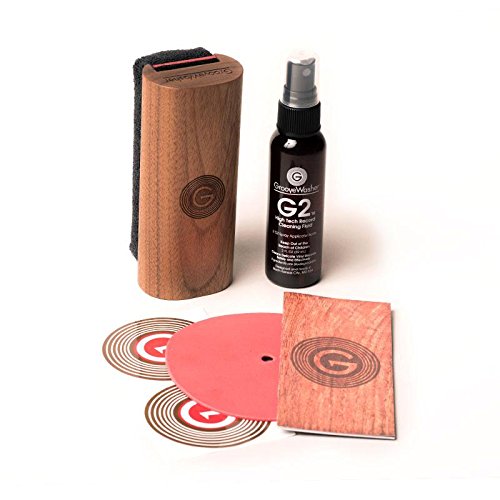
Professional cleaning system with microfibre brush, cleaning solution, and storage pouch. Safe for all vinyl types. Essential maintenance for preserving record quality.
Replace paper inner sleeves with anti-static ones. Paper generates static that attracts dust back to the surface between plays. These polyethylene sleeves break that cycle and keep records in good shape across hundreds of hours on either deck.
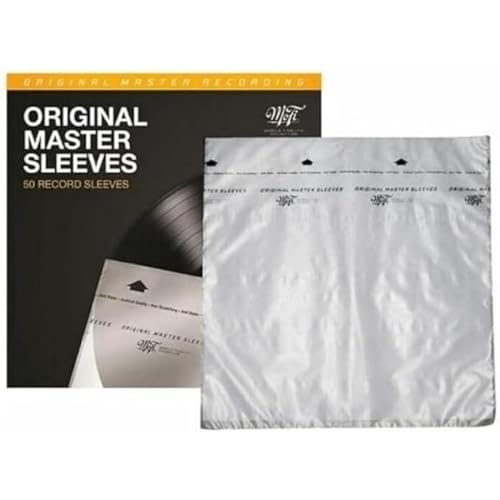
Audiophile-grade polyethylene sleeves preventing static buildup and dust accumulation. Archival quality protecting records for decades. Essential for serious collectors.
What You'll Need With It
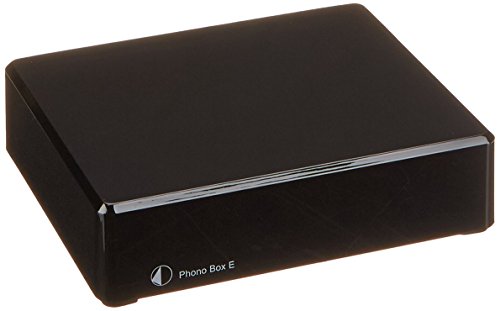
Affordable MM phono preamp offering significant upgrade over built-in preamps. Clean sound, low distortion, and compact design. Perfect for budget-conscious vinyl enthusiasts.

Popular replacement cartridge with excellent tracking and detail retrieval. Easy to install, compatible with most turntables, and exceptional value. Direct upgrade for AT-LP120X owners.
Professional cleaning system with microfibre brush, cleaning solution, and storage pouch. Safe for all vinyl types. Essential maintenance for preserving record quality.
As an Amazon Associate, we earn from qualifying purchases.
Products Mentioned in This Guide
Find Your Perfect Setup
Answer a few quick questions and get personalised recommendations.
Start the QuizFrequently Asked Questions
What is the difference between the LP60X and LP120X?
The LP60X is a fully automatic, belt-drive turntable aimed at beginners - press start and it plays. The LP120X is a manual, direct-drive turntable with adjustable pitch control, removable headshell, and better build quality. The LP120X sounds noticeably better and has real upgrade potential.
Is the AT-LP120X worth the extra money over the LP60X?
If you are serious about vinyl, yes. The LP120X sounds noticeably better, allows cartridge upgrades, has adjustable tracking force, and the direct-drive motor offers better speed stability. However, if you just want to play occasional records casually, the LP60X is perfectly adequate and much simpler to use.
Which Audio-Technica turntable should a beginner buy?
If you want absolute simplicity and minimum cost, buy the LP60X. If you think you will get seriously into vinyl collecting and want room to grow, step up to the LP120X - you will not outgrow it. The LP120X also makes sense if you plan to DJ or need pitch control.
Can you upgrade the cartridge on the LP60X?
No, the LP60X has a permanently mounted cartridge that cannot be upgraded or replaced (though you can replace the stylus). The LP120X has a removable headshell, allowing you to upgrade to better cartridges like the Ortofon 2M Red or Audio-Technica VM540ML for improved sound quality.
Related Guides
Best Budget Turntables UK 2026: Under £200 Picks That Protect Your Vinyl
Buying GuideBest Record Players UK 2026: Expert Picks at Every Budget
How-ToRecord Player Beginners Guide UK 2026 | Start from £200
Setup GuideTurntable Cartridge Upgrade Guide UK 2026 | From £50
Buying GuideBest Bluetooth Turntables UK 2026 | Wireless from £100
How-ToComplete Vinyl Setup Guide UK 2026: Turntable to Speakers
ComparisonAudio-Technica LP60X vs LP120X 2026 | Which to Buy
Ready to find your perfect setup?
Our quiz matches you with the right turntable, speakers, and accessories.
Take the Quiz - It's FreeNo email required