Vinyl Record Care Guide 2026 | Cleaning and Storage

Vinyl collector for over thirty years. Found my first turntable and a box of records in the loft at twelve — Nashville Skyline, After the Gold Rush, Disraeli Gears. Still spinning on a vintage Sony PS-X600.
Just so you know, some links on this page are affiliate links. If you buy something via them, we get a small kickback. You don't pay more, but it helps toward the next record.
Vinyl records last decades with basic care. Centuries, even, the grooves themselves don't deteriorate from age. What kills records is neglect: fingerprints, dust, improper storage, worn styli grinding through grooves. None of that is hard to prevent once you understand what actually does the damage.
This guide covers everything you need: handling, cleaning, storage, stylus care, and the genuine threats to your collection. Not the elaborate cleaning rituals you see on r/vinyl. The practical minimum that keeps records sounding right for the next fifty years.
What You Actually Need
Before method, here's the equipment list:
A carbon fiber brush is essential, use it before every play. The AudioQuest Anti-Static Record Brush and Boundless Audio carbon fiber brush are both well-regarded. Everything else is optional depending on how dirty your collection gets.
For occasional wet cleaning: a dedicated record cleaning solution (GrooveWasher, Mobile Fidelity, or Boundless Audio) and a microfiber cloth. Around $15 to $35 depending on product.
For a neglected or second-hand collection: the Spin-Clean Record Washer cleans records in batches effectively. Available at Amazon, Target, and most record shops. Worth it if you buy a lot of used vinyl.
A stylus brush: essential for maintaining your stylus. Usually included with the turntable. Replacements are inexpensive.
That is the complete kit. Nothing else is required unless you have specific problems.
Handling: The Fundamentals
Touch records by the edges and label only. Never touch the grooved surface. Fingerprints leave oils that attract dust and bond with vinyl over time. Even clean hands leave residue, your skin produces oil constantly.
The correct hold. Place your palm flat against the edge of the record with your thumb resting on the label. Guide with your fingers on the outer rim. This gives full control without touching the playing surface. It feels awkward at first and becomes automatic within a few sessions.
Placing and removing records. Slide the record out of its inner sleeve with one hand on the edge. Rest it on the spindle with the same grip. When removing from the platter, grip edge and label, lift cleanly. Never drag a record sideways off the platter.
After playing. Return records to their inner sleeves immediately after playing. Do not leave them on the turntable, propped against the wall, or resting on furniture. The moment a record is uncovered, it is collecting dust.
Storage: The Rules That Actually Matter
Vertical storage, always. Store records standing upright, like books. Never stack them horizontally. Horizontal stacking applies cumulative weight across records and sleeves, even moderate piles cause warping over time. A warped record often cannot be played without the stylus losing groove contact intermittently.
Shelving. The shelf must hold records upright without excessive lean in either direction. Purpose-built vinyl storage units (IKEA Kallax is the standard recommendation, and it works well) keep records vertical and accessible. The critical requirement: each record stands straight, not tilting against neighbors.
Inner sleeves. Most records come with paper inner sleeves. These are adequate but not ideal, paper can scratch the playing surface and generate static. Anti-static poly-lined inner sleeves (around $0.05 to $0.15 each) are a meaningful upgrade for records you listen to regularly. Mobile Fidelity and Invest in Vinyl both make popular US options. They reduce static, repel dust, and don't abrade the vinyl on insertion and removal.
Outer sleeves. For records you want to preserve for years, polythene outer sleeves protect the jacket from handling wear and humidity. Around $0.10 each. Not essential for everyday use, but worthwhile for valuable pressings, first pressings, or Record Store Day exclusives.
Temperature and humidity. Normal room conditions are fine. The threats are extremes: attic storage with summer heat above 85°F, uninsulated basements with humidity above 60%, or garages with wide temperature swings. Vinyl warps at sustained high temperatures. Mold grows on records in persistent high humidity. Anywhere you'd be comfortable sitting is fine for your records.
Don't overcrowd. Tight packing makes removal difficult, damages jacket spines, and can stress gatefold seams. Leave enough space to remove records without force.
Cleaning: Before Every Play
The single most valuable habit: carbon fiber brush before every play.
Place the brush across the grooves with light pressure while the record spins on the platter. Let it rotate for two or three revolutions, gathering loose dust and discharging static. Then draw the brush outward in one smooth stroke off the record's edge, carrying the dust with it.
Five seconds. It removes the loose particles that would otherwise sit in the groove as the stylus passes through, creating clicks and pops. It also discharges static, static makes dust cling to the playing surface, and the carbon fiber strands conduct away the charge.
This one habit prevents most playback issues. Dust causes clicks and pops. The brush removes dust. Everything else in a cleaning routine is supplementary.
Deeper Cleaning: Wet Methods
For records with more than light dust, thrift store and Record Fair purchases, records stored in garages, anything with visible contamination, wet cleaning removes what the dry brush cannot.
Basic wet cleaning. Use a dedicated record cleaning solution. Not tap water (mineral residue), not isopropyl alcohol (degrades vinyl over repeated use), not Windex or household cleaners. GrooveWasher G2 (a kit with applicator), Mobile Fidelity Plus, and Boundless Audio cleaner are all purpose-formulated and safe. Apply solution to a microfiber cloth, not directly to the record. Work in the direction of the grooves (circular, following the spiral) with light pressure. Use a dry section of the cloth to remove moisture. Allow the record to air dry completely before returning to its sleeve.
Spin-Clean. The Spin-Clean Record Washer is the most cost-effective proper cleaning tool available in the US. Fill the bath with the provided solution and distilled water. Slot a record in, rotate it several times, remove and dry with the included cloths. Effective at removing deep contamination that wet wiping alone misses. A single cleaning session with the Spin-Clean on a thrift-store haul can transform unplayable records into playable ones.
What cleaning cannot fix. Wet cleaning removes contamination. It cannot repair physical damage, scratches, pressing defects, groove wear from a poorly-tracking stylus. A record that has been played on a Crosley suitcase player for two years will not sound like new after cleaning. The groove damage is structural and irreversible. Clean records before damage happens, not after.
What to Avoid
Tap water. Contains dissolved minerals that leave residue in the grooves when the water evaporates. Use distilled water for any rinsing. It costs almost nothing at any grocery store.
Isopropyl alcohol. Widely recommended online; not safe for repeated use. Regular alcohol cleaning dries out the vinyl surface over time and can damage paper labels. It removes contamination in a single application but should not be part of a regular cleaning routine.
The wood glue method. Occasionally seen on YouTube: apply wood glue across the record, let it set, peel off the dried film. It removes contamination. It also risks permanent label damage if glue seeps to the label, adhesive residue in the grooves if the peel doesn't go cleanly, and irreversible damage if anything goes wrong. Not recommended.
Leaving records wet. Never play a wet record. Never return a wet record to its sleeve. Moisture in a sleeve creates conditions for mold growth. Mold on vinyl is very difficult to remove and causes surface damage that affects playback permanently.
Stylus Care
A dirty stylus does more damage than almost anything else. The stylus tracks through the groove under 1.5 to 3 grams of force, if it is carrying compacted dust and debris, it grinds that contamination into the groove walls with every pass.
The daily routine. Before every session, brush the stylus with a stylus brush. Stroke front to back, never side to side, which can bend or break the cantilever. One stroke, light pressure. Takes five seconds.
Stubborn deposits. For compacted debris the dry brush doesn't move, stylus cleaning fluid helps, a single drop on the brush, then clean as normal. The Onzow Zerodust gel cleaner is a popular US option, lower the stylus into the gel, lift, repeat. It removes deposits gently and effectively.
When to replace. Styli wear. Budget styli last around 300 to 500 hours. Quality styli last 800 to 1000 hours or more. Signs of wear: sound becomes thin and sibilant, stereo separation decreases, high frequencies distort. Under magnification (a 30x loupe works), a worn stylus shows visible flat spots.
Keep a rough estimate of playing hours. A record a day averages about 180 hours per year. Replacement styli are available from Amazon, LPGear.com (a US-based stylus specialist with an excellent compatibility tool), and the manufacturer directly.
Protecting Records During Playback
Lower the tonearm with the cueing lever. The cueing lever controls descent speed. Dropping the tonearm by hand risks landing the stylus in the middle of a groove or missing the lead-in groove entirely. Use the lever.
Don't move the turntable while playing. The stylus is tracking in the groove under force. Any movement causes the stylus to skip and potentially scratch. Place the turntable somewhere stable.
Keep the dust cover closed. When not actively changing records, the dust cover slows the rate at which airborne dust settles on the record surface. Most turntables allow playing with the cover open, which sounds slightly better (less resonance), that's fine too if you prefer it.
Check tracking force. Too heavy and records wear faster; too light and the stylus can skip and bounce in the groove. Our record player setup guide covers how to check and set tracking force correctly.
Buying Used Vinyl: What to Look For
Record shops, Discogs, thrift stores, estate sales, and Record Store Day are all good sources. What to assess before buying:
The playing surface. Hold the record at an angle to a light source and look across the surface. Deep scratches, white lines that catch the light sharply, will cause audible skips. Hairline surface marks are usually cosmetic. A hazy or cloudy surface indicates contamination that wet cleaning can often resolve.
Warps. Look at the record edge-on. A visible bow or dish rather than a flat surface will cause the stylus to lose groove contact intermittently. Mild warps often play acceptably on a well-set-up turntable; severe warps typically don't.
Condition notation on Discogs. Discogs uses Mint, Near Mint, Very Good Plus, Very Good, Good Plus, Good, Fair, Poor. VG+ is the standard for a record that plays cleanly with minimal surface noise. VG means audible noise. Below VG means problems. Most sellers are honest; check feedback before buying.
Frequently Asked Questions
How often should I clean my records? Carbon fiber brush before every play. Wet cleaning when needed, before the first play of a newly purchased second-hand record, and when a record has developed surface noise that the dry brush doesn't resolve. Records that were stored and played well may go years without needing wet cleaning.
Can we use a record cleaning machine? Yes, if you have one. VPI, Okki Nokki, and Nitty Gritty machines produce excellent results. They're expensive but worthwhile for large collections or serious archiving. The Spin-Clean handles most home cleaning needs at a fraction of the cost.
My records have a strong musty smell from being stored. Does that mean they're damaged? Not necessarily. Musty smell usually means the sleeves and jackets have absorbed moisture over time, the records themselves may be fine. Wet clean the records and replace the inner sleeves. If the smell transfers to new sleeves after cleaning, the records themselves may have surface contamination. Clean again and assess for playback quality.
How do I store 7-inch singles (45s)? Same principles: vertically, in inner sleeves, in a cool dry location. Dedicated 7-inch record storage boxes work well. The 45rpm adapter needed for 7-inch singles on most turntables should be kept with the records, they tend to get lost otherwise.
Is it worth cleaning a record before selling it on Discogs? Yes, especially if you're grading it VG+ or above. A clean record plays better, which means better buyer reviews and fewer disputes. A Spin-Clean session before listing improves both the grade you can honestly give and the buyer's experience.
Records stored and handled with care last indefinitely. The same groove that plays today will play in fifty years with the same quality. The care is not complicated, it is consistent. Brush before playing, store vertically, handle by the edges. Your collection will outlast everything else in your setup.
What You'll Need With It
The GrooveWasher kit covers the core routine described in this guide: carbon fibre brush for pre-play cleaning, microfibre pad with cleaning fluid for periodic deeper cleans. The right tools make the habits here easier to maintain consistently.
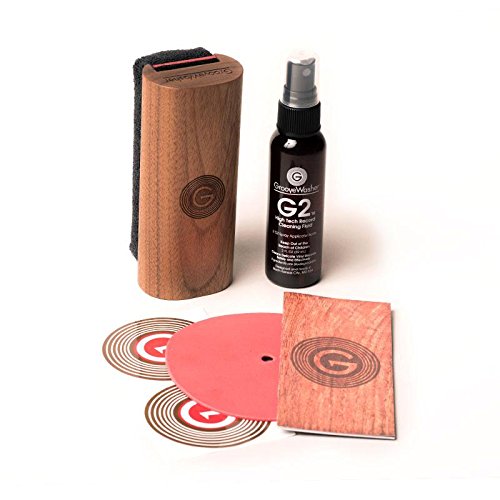
Professional cleaning system with microfibre brush, cleaning solution, and storage pouch. Safe for all vinyl types. Essential maintenance for preserving record quality.
Anti-static inner sleeves are the most effective long-term storage upgrade. Replace paper sleeves gradually as you clean and re-file records. The improvement in static management and dust accumulation is noticeable within weeks.
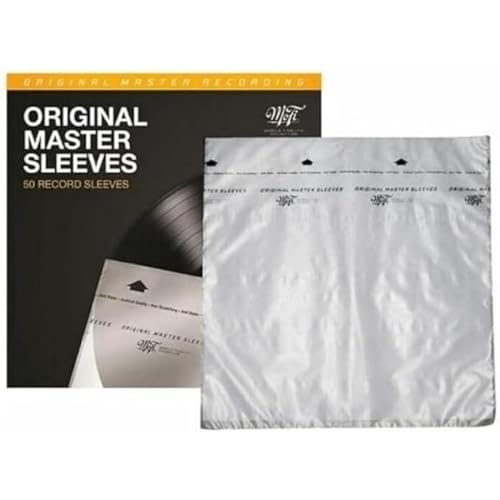
Audiophile-grade polyethylene sleeves preventing static buildup and dust accumulation. Archival quality protecting records for decades. Essential for serious collectors.
Find Your Perfect Setup
Answer a few quick questions and get personalised recommendations.
Start the QuizFrequently Asked Questions
How do you clean vinyl records properly?
For light dust, use a carbon fiber brush before each play ($12-18). For deeper cleaning, use a cleaning solution specifically designed for vinyl (avoid household cleaners) with a microfiber cloth, wiping in circular motions following the grooves. For serious cleaning, consider a record cleaning machine or the Spin-Clean system.
How should I store my vinyl records?
Store records vertically (never stacked flat) in a cool, dry place away from direct sunlight and heat sources. Keep them in their inner sleeves and outer covers to prevent dust and scratches. Use proper record storage shelves or crates that support the records upright without leaning. Avoid basements and attics with temperature extremes.
Can you use alcohol to clean vinyl records?
No, avoid isopropyl alcohol and household cleaners - they can damage the vinyl and leave residues that attract dust. Use dedicated record cleaning solutions like the Boundless Audio cleaner, Mobile Fidelity Plus, or make a solution of distilled water with a drop of dish soap. Dry thoroughly before playing.
How do I prevent scratches on my records?
Always handle records by the edges and label, never touching the grooves. Return records to their inner sleeves immediately after playing. Use anti-static inner sleeves (about 5 cents each) to reduce dust attraction. Keep the stylus clean and properly aligned to avoid groove damage. Store records vertically to prevent warping and scratching.
Related Guides
Record Player Beginners Guide 2026 | Start from $250
Setup GuideHow to Set Up a Record Player 2026 | Step-by-Step
Setup GuideTurntable Cartridge Upgrade Guide 2026 | From $59
Buying GuideBest Record Players 2026: Expert Picks at Every Budget
Setup GuideVinyl Record Care Guide UK 2026 | Cleaning and Storage
Ready to find your perfect setup?
Our quiz matches you with the right turntable, speakers, and accessories.
Take the Quiz - It's FreeNo email required