
Rega vs Pro-Ject Turntables UK 2026 | From £300

Vinyl collector for over thirty years. Found my first turntable and a box of records in the loft at twelve — Nashville Skyline, After the Gold Rush, Disraeli Gears. Still spinning on a vintage Sony PS-X600.
Just so you know, some links on this page are affiliate links. If you buy something via them, we get a small kickback. You don't pay more, but it helps toward the next record.
Contains affiliate links. As an Amazon Associate, we earn from qualifying purchases.
Rega and Pro-Ject are the two names every serious vinyl buyer eventually reaches. Both manufacture excellent turntables. The difference isn’t quality; it’s philosophy. Rega strips everything away in pursuit of sound. Pro-Ject builds a platform you can customise and expand. One of those approaches matches your thinking more. That instinct is usually right, and we’ll help you verify it.
My pick: The Rega Planar 1 is where most buyers should start. It’s genuinely hard to beat at its price for pure sound quality, and most people find they never feel the need to tinker. If you already know you want to customise or swap components, the Pro-Ject Debut Carbon EVO gives you the best upgrade ecosystem at this level.
Quick Picks
Not sure which setup is right for you?
Take Our QuizThe Philosophy Gap: What Actually Separates Them
Rega (British, made in Essex) believes in simplicity. Remove what doesn’t improve sound. No adjustable features, no unnecessary options, no potential upgrade paths cluttering the design. Plug in, play records, stop thinking about the turntable itself. Their philosophy: a well-designed complete system outperforms a customisable platform.
Pro-Ject (Austrian, made in Czech Republic) believes in options. Multiple finishes, interchangeable parts, documented upgrade paths. Customise your setup to match your preferences. Some people love tinkering; others ignore the options entirely. The ecosystem supports both. Their philosophy: flexibility creates ownership and engagement.
Neither approach is wrong. But the gap between them is real, and it affects how much you’ll enjoy the turntable over 5-10 years. If the idea of upgrading components excites you, Rega will frustrate you. If you want to unbox and forget, Pro-Ject’s customisation options become clutter.
This philosophy difference shows up in the smallest details. Rega ships their turntables partially assembled to reduce handling during transit, you clip on the counterweight and tracking weight guide, and that’s setup done. Pro-Ject ships with a more comprehensive manual that walks you through cartridge alignment and anti-skate adjustment. Both approaches are valid. Rega assumes you want to start listening quickly. Pro-Ject assumes you want to understand the tool.
Sound Character: The Practical Difference
Rega turntables sound lively and engaging. Rhythmic, punchy, musical. They make you tap your feet. Reviewers consistently mention “PRaT” (pace, rhythm, timing) as a Rega strength. Vocals and acoustic instruments shine. The lightweight, resonance-engineered platter contributes to this character. You hear rhythm first.
Pro-Ject turntables sound detailed and refined. More analytical than Rega. They reveal information in recordings you might miss on other systems. Reviewers note accuracy and neutrality. Electronic music and complex arrangements reveal more layers. The heavier construction dampens vibration differently, so you hear information first.
Honest note: the differences are present but subtle. Both turntables will play your records beautifully. If you had both in your room side by side, casual listening wouldn’t make the choice obvious. It’s more about trajectory: which sonic character pulls you in over time?
The best way to hear this difference is to take both for a demo at Richer Sounds or Sevenoaks Sound and Vision, who stock both brands. Play the same record on each. Most people have a clear preference after five minutes. If you can’t demo in person, trust that both will sound better than anything under £200 and the difference between them is secondary to the question of which philosophy suits you.
Build Quality and Lifespan
Rega’s approach: unique materials matched to function, hand assembly for tonearms. The Planar 1’s platter is lightweight phenolic resin, not because it’s cheap, but because it resonates differently than steel. The RB110 tonearm is handmade in Southend-on-Sea. Everything serves sound quality. Build quality is excellent; the designs simply prioritise sonic characteristics over customisation.
Pro-Ject’s approach: traditional materials (steel plinths, MDF, steel platters on higher models), conventional construction familiar to experienced tinkerers. Higher models feature carbon fibre tonearms. The build quality feels more conventional: heavier, more familiar materials, and also excellent.
Both last for years with basic care. Rega has decades of spare parts support. Pro-Ject parts are readily available through UK distributors. Neither brand presents any significant longevity concerns for UK buyers. If you buy either from an authorised UK dealer, you’ll have access to service and parts well beyond the warranty period.
Head-to-Head Model Comparison
Entry Level
| Specification | Rega Planar 1 | Pro-Ject Debut III |
|---|---|---|
| Value | Slightly higher | Slightly lower |
| Cartridge | Rega Carbon (MM) | Ortofon OM 5E (MM) |
| Tonearm | RB110 (handmade) | 8.6" carbon fibre |
| Motor type | Belt drive | Belt drive |
| Built-in preamp | No | No |
| Finish options | 2 (black, white) | 8+ colours |
| Platter material | Phenolic resin | Steel |
| Speed stability | Very good | Very good |
| Weight | 4.2kg | 6kg |
The Planar 1 delivers pure simplicity. No adjustable anti-skating, no upgradeable components, no preamp. The cartridge performs above its price class. Setup is minimal; just plug in and play. The lightweight platter and handmade tonearm create that characteristic Rega sound immediately.
The Debut III has more finish options and the Ortofon OM 5E cartridge. Similar sound quality, similar speed stability. However, Pro-Ject supplies this model with detailed instructions for future upgrades (cartridge swaps, platter upgrades). The design anticipates customisation.
Best for: Rega if you want simplicity and finality. Pro-Ject if you want options, even if you don’t use them immediately.
Mid-Range
| Specification | Rega Planar 2 | Pro-Ject Debut Carbon EVO |
|---|---|---|
| Value | About the same | About the same |
| Cartridge | Rega Carbon (MM) | Sumiko Rainier (MM) |
| Tonearm | RB220 (upgraded) | 8.6" carbon fibre |
| Motor type | Belt drive | Belt drive |
| Built-in preamp | No | No |
| Finish options | 3 | 9 colours |
| Platter material | Float glass | Steel (TPE damped) |
| Speed stability | Excellent | Excellent |
| Cartridge quality | Strong | Stronger |
| Weight | 5kg | 5.6kg |
The Planar 2 upgrades the tonearm significantly. The RB220 is stiffer and more precisely manufactured than the RB110. The float glass platter is heavier and more precisely engineered than phenolic. The sound improvement over Planar 1 is audible: more stable, slightly more detailed. Still no customisation path.
The Debut Carbon EVO features a carbon fibre tonearm (lighter, stiffer than aluminium), heavier damped platter, and the superior Sumiko Rainier cartridge. The jump from basic Debut to EVO is more substantial than Planar 1 to Planar 2. More upgrade options become available (platters, power supplies, cartridge swaps).
Best for: Rega if sound quality is your single priority and you have good speakers. Pro-Ject if you want sonic quality plus a documented upgrade path for later.
Who Each Turntable Actually Suits
After covering the technical differences, it’s worth being direct about who ends up happiest with each brand.
Rega buyers who are most satisfied typically share a few characteristics: they listen to music more than they think about equipment, they prefer fewer decisions rather than more, and they judge a purchase complete when it’s set up and playing. They don’t read audio forums looking for upgrade suggestions. They come home from work, put a record on, and that’s the point. Rega rewards this approach completely. The turntable becomes invisible in the best possible way.
Pro-Ject buyers who are most satisfied tend to be more involved with the hobby side of vinyl. They’ll swap cartridges after a year. They’ll debate stylus profiles on forums. They like having the option to change the platter or power supply. They enjoy understanding what each component does. Pro-Ject supports this perfectly, the ecosystem is deep, and the upgrade pathway is well-documented and incremental rather than requiring complete replacement.
The buyers who end up disappointed are those who buy Pro-Ject expecting to upgrade immediately but never do (because upgrades cost real money), and those who buy Rega expecting to customise later and discover the path doesn’t exist. Know yourself before you buy.
What to Avoid
Buying on aesthetic alone. Pro-Ject’s colour range is genuinely appealing, the Debut Carbon in red or green looks stunning. But buying on finish choice without understanding the philosophy mismatch leads to dissatisfaction. Both brands make handsome turntables. Sound character and customisation philosophy matter more.
Overestimating Pro-Ject’s upgrade path. Many buyers purchase Pro-Ject expecting to upgrade immediately and never do. The upgrade costs are substantial (£150-300 per upgrade). Buy Pro-Ject because you want options, not because you intend to spend a small fortune by year two.
Assuming sound difference determines your choice. You won’t consistently hear the difference between them. The gap isn’t like comparing a £300 turntable to a £1,000 model. Both are excellent. The choice is philosophical: do you want a complete system or a customisable platform? Start there, not with “which sounds better?”
Ignoring speaker quality impact. Both turntables depend entirely on your speakers. The turntable sits at 40% of your sound equation. Speakers are 50%, source material 10%. A Rega or Pro-Ject into £200 powered speakers will sound dramatically worse than into £600 speakers. Budget accordingly.
Overlooking tonearm compatibility. Rega’s handmade tonearms use their own cartridge mounting system. Pro-Ject uses standard universal mount designs, making aftermarket cartridge swaps more straightforward. If you plan cartridge upgrades, this matters. Not a fatal limitation on Rega, but worth knowing before you buy.
What I’d Buy Today
The Rega Planar 1 for most buyers. It punches above its price class on sound quality, it requires zero maintenance decisions, and it will still be making music in fifteen years. The only reason to choose differently is if you already know you want to swap components, in which case the Pro-Ject Debut Carbon EVO gives you the most complete upgrade ecosystem at this level.
If budget stretches to £600-700, the Rega Planar 3 and Pro-Ject X2 are both genuinely significant steps up from their entry models. Worth considering if you’re buying once and keeping for a decade.
What You’ll Need with Either Turntable
Neither the Rega Planar 1, Planar 2, nor any Pro-Ject Debut model includes a built-in phono preamp. Both require external amplification to produce sound.
Phono preamp (essential): A phono preamp boosts the cartridge’s signal to line level, which your amplifier or powered speakers can then use. If your amplifier or receiver has a PHONO input on the back, you’re already covered, connect the turntable directly. Check the back of your amp for a socket labelled PHONO before buying anything separately. If you’re using powered speakers (Edifier, Q Acoustics Active, etc.), you’ll need a standalone phono preamp between the turntable and speakers.
Recommended pairings: - Pro-Ject Phono Box E: matches both brands’ cartridges perfectly, the most natural choice - Rega Fono Mini A2D: Rega’s own entry preamp, voiced specifically for their cartridges - Cambridge Audio Alva Duo: slightly more detail, works well with both
Amplifier and speakers: If you’re starting from scratch, powered/active speakers give you the simplest setup, turntable to phono preamp to powered speakers. The Edifier R1280DB or Q Acoustics M20 HD both work well with Rega and Pro-Ject. For a fully separates approach (turntable plus phono preamp plus amplifier plus passive speakers), budget roughly equal amounts for each component. A £300 turntable deserves at least £300 worth of amplification and speakers to avoid the source becoming the bottleneck.
Frequently Asked Questions
Can I swap cartridges between them?
Rega cartridges use a two-point mounting system. Pro-Ject uses standard mount designs. You can upgrade either, but Rega upgrades require compatible mounting. Rega has aftermarket cartridges; Pro-Ject supports standard brands (Sumiko, Ortofon, Audio-Technica). Pro-Ject cartridge swapping is more straightforward.
Which sounds better with classical music?
Rega’s rhythm-focused character suits orchestral music well; you hear the ensemble’s pulse. Pro-Ject’s analytical nature reveals more detail in complex classical arrangements. Honestly, both excel. It depends on whether you prefer rhythmic cohesion or analytical detail.
Is hand-assembly worth the premium?
Rega hand-assembles tonearms, which affects quality consistency. Hand assembly creates variation within tight tolerances. Rega commands their premium on philosophy and sound character, not solely assembly labour. Whether it matters depends on how much you value British manufacturing. For most buyers, the sound quality difference is what justifies the choice.
How often do Pro-Ject belts fail compared to Rega?
Both use identical belt drive mechanics. Belt life depends on usage, storage temperature, and tension. Expect 2-5 years from either brand. Neither presents a reliability gap. Replacement belts cost £15-20 and take 30 minutes. Both brands have been shipping replacement parts for decades.
Upgrading in 3-5 years, which scales better?
Pro-Ject. Components transfer partially between models and the upgrade culture is well-documented. Rega buyers typically replace entirely rather than upgrade incrementally. However, Rega models hold their secondhand value well, a Planar 1 in good condition sells readily. The upgrade economics are different rather than better or worse.
Does speed stability differ between them?
Both use belt drive with excellent speed stability. Lab measurements show both within 0.1% variance. The difference in your listening room: essentially zero. This is not a deciding factor.
Which requires less maintenance?
Rega, by design. Fewer adjustable components, no documented upgrade protocols to maintain. Pro-Ject has minimal maintenance, but customisation creates more things that could drift over time. Neither requires intensive care.
Should I buy used?
Both age well. Used Rega Planar models are common and reliable. Used Pro-Ject models equally stable. The advantage: you save 25-30%. The disadvantage: you lose the manufacturer warranty. Acceptable for experienced buyers who know what to look for.
The Bottom Line
Rega and Pro-Ject represent two fundamentally different philosophies toward turntable design. Rega favours completeness and sonic focus, believing each model should be a finished product requiring no modification. Pro-Ject favours flexibility and customisation, viewing turntables as platforms for gradual improvement and personalisation.
Neither is objectively superior. The choice depends on one core question: five years from now, would you rather own a perfectly designed system you’ve never tinkered with, or a platform you’ve gradually upgraded to match your evolving tastes?
If you’d rather play records without thinking about the turntable’s mechanics, if you value British manufacturing and long-term support, if you appreciate rhythm-forward sound, then Rega matches your thinking. If you’d rather understand every component, customise gradually, value options and aesthetics, and enjoy tinkering as part of your vinyl hobby, then Pro-Ject matches your thinking.
A practical note on budgeting: neither brand includes a phono preamp. Before buying either, budget an additional £50-100 for a standalone preamp (or check your existing amplifier for a PHONO input). The Pro-Ject Phono Box E pairs well with both brands. Factor this into your total cost when comparing prices.
Where to buy: Richer Sounds and Sevenoaks Sound and Vision stock both brands and offer demonstrations, genuinely useful at this price, as hearing the difference in a listening room resolves most uncertainties. Both retailers will set up tracking force and anti-skate before the turntable leaves the shop. Online purchase from authorised dealers also works; just verify they’re an authorised Rega or Pro-Ject dealer to ensure warranty validity.
If you’re still weighing options across price points, explore our best record players under £500 guide for full comparisons. For deeper context on turntable choices, read our turntable buying guide and upgrade path guide.
What You'll Need With It
Both Rega and Pro-Ject use standard half-inch cartridge mounts. The Audio-Technica AT-VM95E is a compatible upgrade for most models in this guide, particularly Pro-Ject decks. At around £39, it has an elliptical stylus for improved detail retrieval and tracking accuracy, with the VM95 body accepting the full range of stylus upgrades as your system develops.

Popular replacement cartridge with excellent tracking and detail retrieval. Easy to install, compatible with most turntables, and exceptional value. Direct upgrade for AT-LP120X owners.
Clean records before every play at this level of turntable. Surface contamination becomes audible on a quality deck, and a 30-second cleaning habit protects both stylus and groove across thousands of hours of listening.
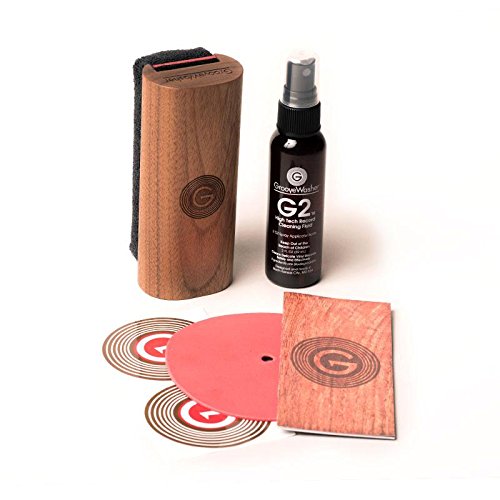
Professional cleaning system with microfibre brush, cleaning solution, and storage pouch. Safe for all vinyl types. Essential maintenance for preserving record quality.
What You'll Need With It

Premium MM/MC phono preamp with exceptional transparency and low noise floor. British engineering delivering audiophile-grade performance. Ideal upgrade for Rega and Pro-Ject turntables.

Legendary MM cartridge delivering warm, musical sound with excellent detail. The benchmark for mid-range cartridges. Massive improvement over stock cartridges on Rega and Pro-Ject decks.
Professional cleaning system with microfibre brush, cleaning solution, and storage pouch. Safe for all vinyl types. Essential maintenance for preserving record quality.
As an Amazon Associate, we earn from qualifying purchases.
Products Mentioned in This Guide
Find Your Perfect Setup
Answer a few quick questions and get personalised recommendations.
Start the QuizFrequently Asked Questions
Which is better, Rega or Pro-Ject?
Both are excellent, but with different philosophies. Rega (British, made in Essex) prioritizes simplicity, reliability, and "out of the box" performance with minimal adjustments. Pro-Ject (Austrian) offers more features, customization options, and upgrade paths. Rega sounds slightly punchier and more energetic; Pro-Ject more detailed and refined.
Are Rega turntables made in the UK?
Yes, Rega turntables are designed and manufactured in Southend-on-Sea, Essex. This is a key selling point - supporting British manufacturing and ensuring quality control. Pro-Ject turntables are made in the Czech Republic under Austrian design and engineering, also ensuring European quality standards.
Should I buy a Rega Planar 1 or Pro-Ject Debut Carbon?
The Rega Planar 1 is simpler and more plug-and-play, with Rega's signature punchy, musical sound. The Pro-Ject Debut Carbon EVO adds a carbon tonearm, better aesthetics, and more tweakability. For set-and-forget performance, choose Rega. For tinkering and upgrades, choose Pro-Ject.
Do Rega turntables need a separate preamp?
Most Rega turntables do not include a built-in preamp (the Planar 1 Plus and Planar 2 Plus versions do). This is intentional - Rega believes external preamps sound better. If your amplifier lacks a phono input, add a Rega Fono Mini A2D or Cambridge Audio Alva Solo for excellent results.
Related Guides
Ready to find your perfect setup?
Our quiz matches you with the right turntable, speakers, and accessories.
Take the Quiz - It's FreeNo email required