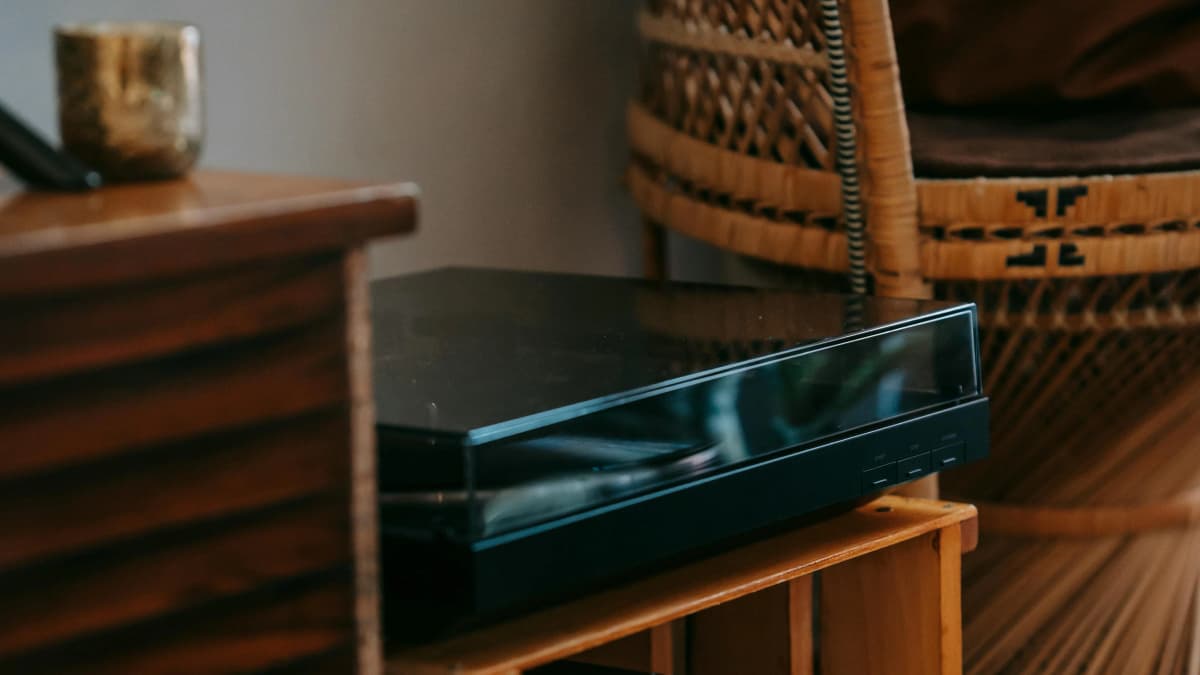
Record Player Beginners Guide UK 2026 | Start from £200

Vinyl collector for over thirty years. Found my first turntable and a box of records in the loft at twelve — Nashville Skyline, After the Gold Rush, Disraeli Gears. Still spinning on a vintage Sony PS-X600.
Just so you know, some links on this page are affiliate links. If you buy something via them, we get a small kickback. You don't pay more, but it helps toward the next record.
Vinyl seems complicated until you understand the basics. Then it's straightforward. This guide covers everything you need to know before buying your first turntable, without the jargon or gatekeeping.
The Components: What's What
A turntable has four main parts:
The platter spins your record. Belt-drive platters connect to the motor via a rubber belt. Direct-drive platters have the motor underneath. Both work well for home listening. Our belt drive vs direct drive guide explains the differences in detail.
The tonearm holds the cartridge and tracks across the record. It pivots from one point and needs proper balancing to apply correct pressure to the groove.
The cartridge contains the stylus (needle) and converts physical groove vibrations into electrical signals. Cartridges are either moving magnet (MM) or moving coil (MC). Beginners should stick with MM.
The stylus traces the groove. It wears over time and needs replacement every 300 to 1,000 hours of play depending on stylus shape: conical tips wear soonest, microline tips last longest.
What Else You Need
The electrical signal from a turntable is too quiet and needs equalisation. A phono preamp handles this. Many turntables include one; check before buying.
After the preamp, you need amplification and speakers. Options:
Simplest: Turntable with built-in preamp plus powered speakers. Two cables and you're playing music.
Traditional: Turntable into phono preamp (or amplifier with phono input) into speakers. More components, more flexibility.
Modern shortcut: Some powered speakers have phono inputs, eliminating the separate preamp entirely.
Powered Speakers: The Easy Solution
For beginners, powered speakers remove complexity. Edifier, Audioengine, and Kanto make excellent options at various prices. Connect your turntable (assuming it has a built-in preamp), plug in power, play records.
No amplifier to choose. No speaker wire to run. No compatibility concerns. Just music.
Handling and Storage
Handle records by the edges and label only. Fingerprints on grooves attract dust and affect playback. Store records vertically in their sleeves. Horizontal stacking warps vinyl over time.
Keep records away from heat, direct sunlight, and humidity. A bookshelf works fine. Dedicated record storage furniture exists but isn't essential.
Use the dust cover when not playing. Dust is the enemy of styluses and grooves. Our vinyl care guide covers cleaning and storage in more detail.
Realistic Expectations
Vinyl doesn't sound "better" than digital in any objective sense. Modern streaming at high bitrates is technically superior. What vinyl gives is different.
The ritual of physical media. Artwork you can hold. The commitment of listening to a full album side. A warmer, sometimes softer sound that many find pleasing. None of these require expensive equipment to enjoy.
Don't chase "audiophile quality" as a beginner. Chase enjoyment. A modest turntable with decent speakers will bring pleasure. Upgrades can come later if the hobby sticks.
Common Beginner Mistakes
Buying cheap suitcase players: They damage records and sound terrible.
Skipping the preamp: If your turntable lacks a built-in preamp and you connect directly to powered speakers, you'll hear almost nothing.
Ignoring speaker quality: Better speakers improve your setup more than a better turntable.
Over-cleaning records: Occasional brushing is fine. Aggressive cleaning can cause damage.
Obsessing over settings: Modern turntables come properly adjusted. Play records and enjoy them.
Your First Setup
Audio-Technica AT-LP60X plus Edifier R1280T speakers. Press a button, the record plays. Simple, reliable, sounds good. Check Price on Amazon Check Price on Amazon

Best first turntable, fully automatic, built-in preamp, just press play
If you think you'll stick with vinyl, the LP120X is worth the extra £150. But for a first turntable, the LP60X is the smart call.
When you're ready to learn more, our setup guide explains adjustments and optimisation. Want to digitise your records too? Our USB turntable guide covers whether it's worth it. For now, just enjoy the music.
For more inspiration, see our best record collecting books and learn how to preview albums before buying vinyl.
Vinyl doesn't ask much of you. A modest deck, decent speakers, a clean stylus, and records you actually want to hear. Everything else is optional.
Your First Turntable: What to Actually Buy
For most beginners, the choice is straightforward:
The easy start: Audio-Technica AT-LP60X plus Edifier R1280T powered speakers. A complete starter setup. Press the button, the arm drops automatically. The record plays. No setup beyond connecting two cables.
The upgrade path: Audio-Technica AT-LP120X. Same concept but direct-drive motor, adjustable tonearm, removable headshell for cartridge upgrades. Buy this if you think you’ll stick with vinyl long-term.
The sound-first option: Rega Planar 1 (plus a phono preamp). No built-in preamp, no USB, no features. Just exceptional musicality from British engineers who’ve been building turntables for fifty years. Requires a separate phono preamp (the ART DJ Pre II is the budget entry).
The LP60X is the right first turntable for most people. It’s forgiving, automatic, and sounds good. If you discover vinyl isn’t for you, it’s a low-stakes experiment. If you fall in love with it, the upgrade path is clear.
Choosing Speakers: This Matters More Than You Think
Most beginners underinvest in speakers. This is a mistake.
Your turntable pulls information from the groove. Your speakers convert that information into sound. A £350 turntable through £50 speakers sounds worse than a £150 turntable through £150 speakers. The speakers are the output; they matter.
**Budget: Edifier R1280T:** Warm, detailed sound for a bookshelf speaker at this price. Front-facing ports mean you can place them against a wall. Perfect companion for the AT-LP60X.
**Step up: Edifier R1700BT:** Adds Bluetooth for streaming from your phone between vinyl sessions. Better tweeter performance. Recommended if you want a versatile speaker that handles both vinyl and streaming.
Hi-fi option: Q Acoustics 3020i (passive): Passive speakers requiring a separate amplifier. Significantly better soundstage and detail than powered options at the same price. Requires: speakers + amplifier (Cambridge Audio AXA25 at ~£200) + phono preamp. Total: ~£450-500. Worth it if you want proper hi-fi from the start.
For simplicity, start with powered speakers. You can always upgrade to passive later.
The Signal Chain Explained Simply
Every vinyl setup follows exactly this path:
Turntable → Phono Preamp → Amplifier → Speakers
The phono preamp is the part that confuses most beginners. Records are cut with reduced bass and boosted treble (RIAA equalisation) to fit more music onto the disc. The phono preamp reverses this: it boosts the bass, reduces the treble, and amplifies the weak cartridge signal to line level.
Where the phono preamp lives varies: - Inside the turntable: LP60X, LP120X, Sony PS-LX310BT have built-in preamps. Switch to LINE when connecting to powered speakers or a regular amp. - Inside the amplifier: Look for a PHONO input on the back panel. Not AUX or LINE, specifically PHONO. - Separate box: The ART DJ Pre II, Cambridge Audio Alva Solo, or Rega Fono Mini A2D sit between turntable and amp.
The most common beginner mistake: connecting a turntable without a built-in preamp directly to a regular AUX input. The sound is barely audible and sounds thin. If you’re hearing almost nothing, the preamp step is missing.
Buying Your First Records
You don’t need to spend full price on new vinyl to enjoy the format. Charity shops, boot sales, and Discogs’ second-hand marketplace have enormous selections at low prices.
Charity shops: 50p to £2 per record typically. Quality varies. You’ll find mostly 70s-90s pop, classical, and easy listening. Occasionally something brilliant. Worth a browse; no risk at these prices.
Record fairs: Once-a-month events in most cities. Dealers bring curated used stock. Prices from £2-15 for most records, more for rarer items. Better selection than charity shops; you can inspect before buying. Check Vinyl Hub for local fairs.
Discogs: Online marketplace for used records. Every pressing of every album catalogued with condition grades and price history. You can buy exactly the pressing you want in the condition you specify. Postage adds £2-4 per record. Best for specific albums you know you want.
New from retailers: Amazon, HMV, Rough Trade, and independent record shops all sell new vinyl at £15-25 per record. Factory condition, no surprises. Start here for albums you specifically want to own in pristine condition.
The sweet spot for beginners: buy 5-10 albums you know you love on Discogs in VG+ condition (£2-8 each). This gives you a foundation of familiar music to learn the format with, without overspending while you’re still deciding whether vinyl is for you.
Belt Drive vs Direct Drive: What It Means
Two types of motor drive the platter:
Belt-drive (LP60X, Rega, Pro-Ject): a rubber belt connects the motor shaft to the platter. The belt isolates motor vibrations from the platter, which reduces noise floor. Better for sound quality. Belts last 5-10 years and cost £10-15 to replace, a simple DIY job.
Direct-drive (LP120X, Technics SL-1200): the motor sits directly under the platter. Instant start, rock-solid speed stability, no belts to replace. Better for DJing (you can backspin, manipulate the record). The AT-LP120X is the turntable of choice for both home listening and occasional DJ use.
For pure home listening, both are fine. Belt-drive is technically quieter; direct-drive is more stable and lower maintenance. The difference is audible on very resolving systems but not meaningful on entry-level setups.
Cleaning and Looking After Your Records
Before every play: brush the record with a carbon fibre anti-static brush. One sweep from groove to label. This removes surface dust and reduces static pops. A good brush costs £10-15 and lasts years.
Stylus cleaning: wipe the stylus with a dry stylus brush every 2-3 sessions. Front to back, one stroke. Debris builds up on the stylus tip and degrades sound quality, and transfers to the groove wall on the next play.
Wet cleaning: for records that arrive dirty or click and pop despite brushing, a proper wet clean makes a significant difference. The Pro-Ject Wash It kit or Knosti Disco-Antistat handle manual wet cleaning. Ultrasonic cleaners are for serious collectors.
Storage: vertical, in their inner sleeves, in a cool and dry location. Horizontal stacking warps records over time. Heat and humidity cause sleeve degradation and can warp vinyl. A standard shelf works well; dedicated record storage is available from most furniture retailers.
Frequently Asked Questions
How do I know the right speed (33 or 45)? Most albums play at 33⅓ RPM. Singles and some EPs play at 45 RPM. The label usually states the speed. Set the switch before lowering the stylus. 78 RPM is for old shellac records from the 1920s-1950s, most modern turntables don’t support it.
Why does my record sound distorted? Most commonly: the stylus is dirty (clean it), the record is dirty (brush or wet clean it), or the tracking force is wrong (check the counterweight setting). On the LP60X, tracking force is factory-preset and shouldn’t need adjustment unless the stylus has been replaced.
Can I play CDs or cassettes on a turntable? No. A turntable plays vinyl records only. For CDs you need a CD player; for cassettes you need a cassette deck. These are separate categories of equipment.
How long does a record collection last? Vinyl played correctly on a properly set-up turntable degrades extremely slowly. A record played 1000 times on quality equipment with a properly aligned stylus will still sound excellent. The damage happens on cheap ceramic cartridges with high tracking force, worn styluses, or dirty grooves with an abrasive stylus.
Do I need to buy a turntable mat? Most turntables come with a felt or rubber mat. The factory mat is adequate for beginners. Aftermarket mats (acrylic, cork, felt) are an upgrade some enthusiasts pursue later. Not a priority for first-time buyers.
See our vinyl care guide for the complete guide to keeping your records in good condition.
Your First Month with Vinyl
Week 1: Set up your turntable and speakers. Play the five albums you know best. Get familiar with handling records (edges and label only), using the brush, and lifting the stylus safely. The ritual of vinyl, pulling the sleeve, cleaning the record, dropping the needle, sitting with it, becomes habit quickly.
Week 2-3: Start exploring. Browse charity shops. Look at your local record fair schedule. Spend £20-30 on records that cost £1-3 each. This is the most enjoyable phase: discovering what sounds good on your specific setup, finding familiar albums in unexpected places, learning what genres reward the format.
Week 4: Assess. Do you love it? Has the turntable been on every day or has it gathered dust? Are you playing full albums or putting on one side and walking away? Your answers determine whether this is a lasting hobby or an interesting experiment.
If you love it: start thinking about your first proper upgrade. Better speakers if your current ones feel limiting. A cartridge upgrade if you want more detail. A dedicated listening position if you find yourself hovering near the turntable.
If you’re uncertain: keep going for another month. The ritual of vinyl takes time to become natural. Give it six weeks before deciding.
What to Expect at Different Price Points
£150-250 setup (LP60X + budget speakers): Solid entry. Good enough to hear what vinyl offers. Not so good that you’ll be frustrated by obvious limitations. The right level for someone testing the water.
£350-500 setup (LP120X or Rega + better speakers): Genuinely excellent sound. Most people who reach this level stop upgrading, because the gap from here to the next level requires significantly more investment for smaller returns.
£700-1,200 setup (Rega Planar 2+ or Pro-Ject Debut Carbon + quality phono preamp + quality speakers): Audiophile territory. Reveals detail in well-mastered recordings that cheaper setups miss. Meaningful only if you’re an attentive listener with good ears.
The honest truth about diminishing returns: the jump from a £150 setup to a £400 setup is dramatic. The jump from £400 to £1,000 is noticeable. The jump from £1,000 to £2,500 is subtle and primarily relevant to experienced listeners. Start at the level that matches your current commitment to the hobby.
A Note on Vinyl vs Streaming
Vinyl doesn’t replace streaming. They’re complementary. Most vinyl enthusiasts use both: streaming for discovery and casual listening, vinyl for albums they love and want to engage with properly.
Vinyl wins at: focused listening, physical engagement with music as an object, albums with artwork and liner notes worth holding, and the ritual of deliberate album-side commitment. It loses at: convenience, portability, new releases the week they drop, and background music while multitasking.
The format works best for people who find themselves wanting to sit with an album rather than shuffle through tracks. If that sounds like you, vinyl is likely to become a lasting habit. If you mostly listen in the car, at the gym, or while doing other things, the format may not fit your listening life, and that’s fine.
Start with the LP60X. Five albums you love. One month. You’ll know quickly whether this is for you. That’s the whole beginning: a turntable, a pair of speakers, a few records you care about, and one evening to set it all up properly.
What You'll Need With It
Clean every record before playing. Even new records come from the pressing plant with mould-release compound in the grooves. A quick brush before the first play removes this, and the habit protects stylus and groove from the start.
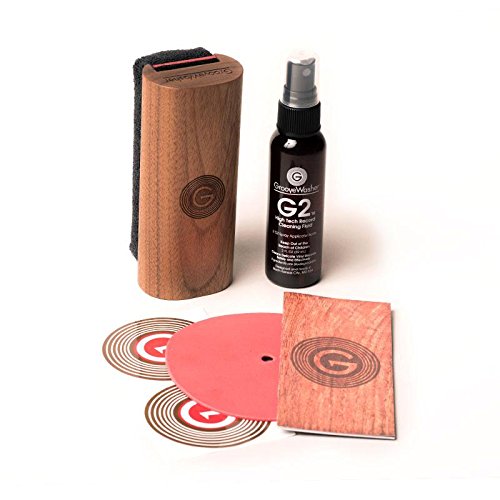
Professional cleaning system with microfibre brush, cleaning solution, and storage pouch. Safe for all vinyl types. Essential maintenance for preserving record quality.
Replace paper inner sleeves as you buy records. Paper generates static that attracts dust back to the surface between plays. Anti-static inner sleeves break that cycle and keep records in good condition across years of regular listening.
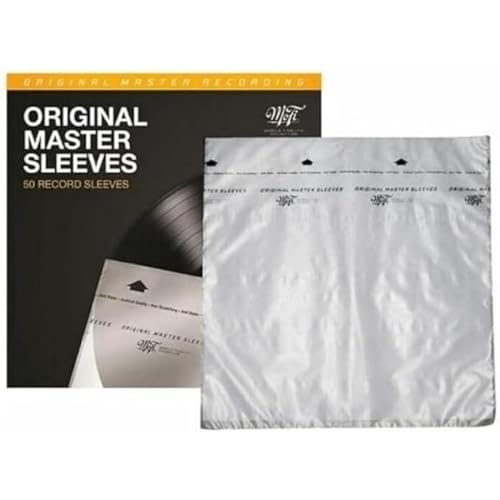
Audiophile-grade polyethylene sleeves preventing static buildup and dust accumulation. Archival quality protecting records for decades. Essential for serious collectors.
Find Your Perfect Setup
Answer a few quick questions and get personalised recommendations.
Start the QuizFrequently Asked Questions
What do I need to play vinyl records?
At minimum, you need: (1) a turntable, (2) speakers with amplification (powered speakers or passive speakers + amplifier), and (3) the correct cables to connect them. Many modern turntables include a built-in phono preamp, simplifying setup. Budget £200-£300 for a complete starter system that sounds good.
What is the difference between a record player and a turntable?
The terms are often used interchangeably, but technically a turntable is just the component that spins the record, while a record player includes everything needed to produce sound (turntable, preamp, speakers). In modern usage, both terms typically refer to the turntable component that requires separate speakers.
What should I look for when buying my first turntable?
Prioritize: (1) a counterbalanced tonearm to protect your records, (2) adjustable tracking force, (3) built-in preamp for simplicity, (4) belt drive for vibration isolation, and (5) a reputable brand like Audio-Technica, Rega, or Pro-Ject. Avoid cheap all-in-one systems under £80 - they will damage your records.
How much should a beginner spend on a record player?
Plan to spend £120-£200 on the turntable itself. The Audio-Technica AT-LP60X is the minimum quality level that will not damage records. Add £80-£150 for powered speakers (Edifier R1280T is excellent value). Total starter budget: £200-£350 for a system you will enjoy for years.
Related Guides
How to Set Up a Record Player UK 2026 | Step-by-Step
Buying GuideBest Budget Turntables UK 2026: Under £200 Picks That Protect Your Vinyl
Buying GuideBest Record Players UK 2026: Expert Picks at Every Budget
Setup GuideVinyl Record Care Guide UK 2026 | Cleaning and Storage
How-ToRecord Player Beginners Guide 2026 | Start from $250
Ready to find your perfect setup?
Our quiz matches you with the right turntable, speakers, and accessories.
Take the Quiz - It's FreeNo email required