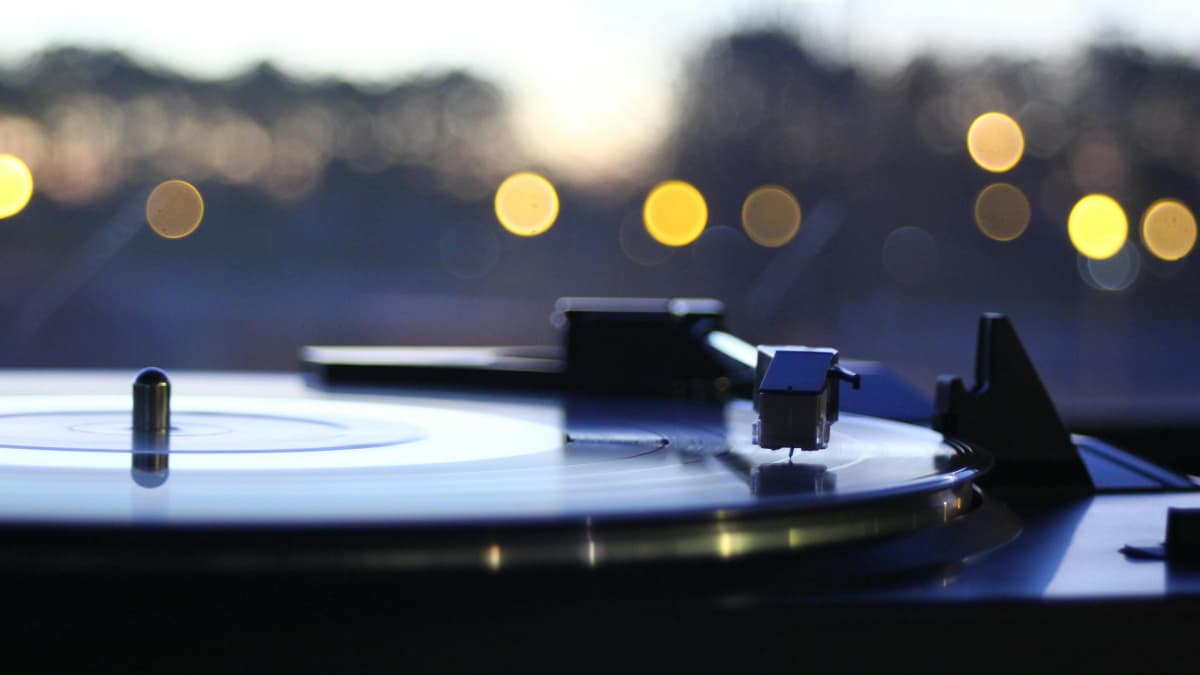
Top 10 Vinyl Albums of All Time | Essential Records for Collectors

Vinyl collector for over thirty years. Found my first turntable and a box of records in the loft at twelve — Nashville Skyline, After the Gold Rush, Disraeli Gears. Still spinning on a vintage Sony PS-X600.
Just so you know, some links on this page are affiliate links. If you buy something via them, we get a small kickback. You don't pay more, but it helps toward the next record.
These are the ten albums that define recorded music. Chosen by critics, musicians, and historians over decades of polling, these records have earned their place through artistic innovation, cultural impact, and the way they sound on vinyl.
This isn't a personal favourites list. It's a consensus drawn from Rolling Stone, Pitchfork, NME, Q Magazine, and countless musician surveys. These albums appear on virtually every "greatest of all time" list ever compiled.
Quick Reference
| Rank | Album | Artist | Year | Genre |
|---|---|---|---|---|
| 1 | What's Going On | Marvin Gaye | 1971 | Soul |
| 2 | Pet Sounds | The Beach Boys | 1966 | Pop/Rock |
| 3 | Blue | Joni Mitchell | 1971 | Folk |
| 4 | Songs in the Key of Life | Stevie Wonder | 1976 | Soul/Funk |
| 5 | Abbey Road | The Beatles | 1969 | Rock |
| 6 | Nevermind | Nirvana | 1991 | Grunge |
| 7 | Rumours | Fleetwood Mac | 1977 | Rock |
| 8 | Purple Rain | Prince | 1984 | Pop/Rock |
| 9 | Blood on the Tracks | Bob Dylan | 1975 | Folk Rock |
| 10 | The Miseducation of Lauryn Hill | Lauryn Hill | 1998 | Hip-Hop/Soul |
For folk music on vinyl, the top 10 folk albums on vinyl covers the essential recordings.
1. What's Going On – Marvin Gaye (1971)
Marvin Gaye's masterpiece topped Rolling Stone's 2020 revision of the 500 Greatest Albums, finally dethroning the Beatles after decades. The album emerged from Gaye's transformation from Motown hitmaker to conscious artist, inspired by his brother Frankie's experiences in Vietnam and the social upheaval tearing America apart.
What makes this album remarkable on vinyl is its seamless construction. Gaye conceived it as one continuous piece, with songs flowing into each other through orchestral transitions and recurring melodic motifs. On vinyl, you experience it as intended, two unbroken suites of music rather than shuffled tracks. The title track opens with party sounds that dissolve into one of the most beautiful soul recordings ever made. "Mercy Mercy Me (The Ecology)" follows with environmental concerns that remain devastatingly relevant. "Inner City Blues" closes Side One with urban despair wrapped in gorgeous strings.
For blues vinyl recommendations, see the top 10 blues albums on vinyl.
The Motown house sound gets expanded here with strings arranged by David Van DePitte, congas by Eddie "Bongo" Brown, and the Detroit Symphony Orchestra adding weight to Gaye's vision. On a quality pressing, you hear the warmth of analogue tape, the presence of real musicians in a room, and vocals that seem to float above the instrumentation. The 2016 Back to Black 180g pressing delivers excellent sound at a reasonable price, while the Mobile Fidelity GAIN 2 Ultra Analog edition represents the audiophile standard.
This album changed what was possible in popular music. It proved that soul music could address serious social issues without sacrificing beauty or commercial appeal. Every concept album since owes a debt to Gaye's vision.

Vinyl reveals the warmth and depth that made this a masterpiece
2. Pet Sounds – The Beach Boys (1966)
Brian Wilson's response to the Beatles' Rubber Soul became the most influential album in pop music history. Pet Sounds took the Beach Boys from surf-rock hitmakers to serious artists, employing orchestras, exotic instruments, and complex harmonies that had never appeared on a rock album.
The recording process was revolutionary. Wilson worked with the legendary Wrecking Crew session musicians at four different LA studios, layering tracks with a perfectionism that approached obsession. Instruments included theremins, bicycle bells, Coca-Cola cans, barking dogs, and a train recorded in mono to preserve the specific sound Wilson heard in his head. The result is a sonic tapestry that reveals new details with every listen.
On vinyl, Pet Sounds demonstrates why the format matters for complex productions. The analogue warmth suits Wilson's baroque arrangements perfectly, while the physical act of flipping the record creates the pause between "God Only Knows" (often called the greatest song ever written) and the introspective second half. "Caroline, No" closes the album with a melancholy that hits differently when you've committed to listening rather than letting tracks shuffle.
The harmonies are the album's secret weapon. The Beach Boys could sing, and Wilson pushed them into arrangements that classical composers might find demanding. These voices, tracked with period microphones and analogue processing, sound more natural on vinyl than on overly processed digital remasters.
The 200g Analogue Productions pressing, cut by Kevin Gray, is the definitive vinyl edition. The standard Capitol reissue also sounds excellent for casual listening. This album changed Paul McCartney's life, he cites it as the direct inspiration for Sgt. Pepper's. Few albums can claim that lineage.

Stereo vinyl brings out the extraordinary layered production
3. Blue – Joni Mitchell (1971)
Joni Mitchell stripped everything away on Blue. No band to hide behind. Minimal production. Just voice, piano, guitar, and occasionally dulcimer exposing some of the most emotionally naked songwriting in popular music. The album documents the end of her relationship with Graham Nash and the aftermath of giving up a daughter for adoption years earlier, subjects she'd never before addressed.
What makes Blue work on vinyl is its intimacy. Mitchell recorded the vocals close-miked, capturing every breath and vocal quiver. When she sings "I could drink a case of you" on "A Case of You," you hear her voice crack with emotion. This isn't the processed, pitch-corrected perfection of modern recording. It's a human being in a room, and vinyl preserves that humanity.
The album's spare arrangements suit the medium perfectly. On "River," it's just Mitchell and a piano, the microphone capturing the room ambience around her performance. "California" adds some accompaniment but remains focused on that voice. "The Last Time I Saw Richard" closes the record with resigned wisdom, the sound of someone who's been through the fire and emerged changed.
Technically, Blue is a masterpiece of economy. Engineer Henry Lewy and producer Mitchell used restraint where others might have added layers. The result is music that breathes, with space between notes that modern compression would eliminate. On a good pressing, you can hear the sustain of piano strings fading naturally rather than being cut by noise gates.
The 2021 Rhino reissue from original analogue masters sounds excellent. For the ultimate experience, seek out clean original Reprise pressings. This album influenced everyone from Prince to Brandi Carlile and remains the benchmark for confessional songwriting.

Intimate acoustic recordings that vinyl reproduces beautifully
4. Songs in the Key of Life – Stevie Wonder (1976)
Stevie Wonder had already released three consecutive classic albums, Innervisions, Talking Book, and Fulfillingness' First Finale, when he delivered this double album plus bonus EP. It's excessive, ambitious, sprawling, and brilliant. At 105 minutes across four sides, it contains more ideas than most artists manage in a career.
For those who want to go deeper through reading, the best record collecting books US covers the titles worth owning.
The album opens with "Love's in Need of Love Today," a six-minute choir-backed meditation that sets the tone for what follows: music that refuses easy categorization. "Sir Duke" celebrates jazz legends with horns borrowed from Earth, Wind & Fire. "I Wish" is a funk masterpiece about childhood nostalgia. "Pastime Paradise" (later sampled by Coolio) combines strings with synthesizers in ways nobody had attempted. "Isn't She Lovely" documents the birth of Wonder's daughter with pure joy.
For jazz specifically, the top 10 jazz albums on vinyl covers the essential records in the genre.
On vinyl, the format's length constraints actually help. Four sides means four natural breaking points, preventing listener fatigue across nearly two hours of music. Each side has its own arc and mood. The analogue warmth suits Wonder's layered synthesizer textures, which can sound harsh on poorly mastered digital versions.
Wonder played most instruments himself, overdubbing parts with meticulous attention to groove. When you hear the bass on "Sir Duke," that's Wonder playing with a pocket that session musicians spend careers trying to achieve. The horns are real, the strings are real, and the vocals remain among the most virtuosic in pop history.
The 2017 Universal reissue sounds excellent for a modern pressing. Original Tamla pressings from 1976 remain the benchmark if you can find clean copies. This album won Album of the Year at the Grammys and remains the standard against which ambitious pop music is measured.

Double LP plus bonus 7-inch - the complete package as intended
5. Abbey Road – The Beatles (1969)
The Beatles made many masterpieces, but Abbey Road represents their technical and collaborative peak. Knowing the band was fracturing, they gathered for one last proper album (Let It Be was recorded earlier but released after) and created something extraordinary. The Side Two medley alone justifies the album's place in history.
The famous crossing on the cover has become pop culture iconography. But the music inside surpasses even that cultural footprint. "Come Together" opens with John Lennon at his enigmatic best over Ringo's legendary drum pattern. "Something" gives George Harrison his finest moment, Frank Sinatra called it the greatest love song of the past fifty years. "Here Comes the Sun" radiates warmth in ways streaming can't capture.
Side Two's medley, from "You Never Give Me Your Money" through "The End", represents the most sophisticated pop arrangement ever attempted. Themes return, tempos shift, and melodies weave through each other like classical composition. This only works when listened to in sequence, which vinyl enforces beautifully.
For classical music on vinyl, the top 10 classical albums on vinyl covers the pressings worth owning.
The 2019 50th anniversary remix by Giles Martin (son of original producer George Martin) opened up the sound while respecting the original vision. The low end is tighter, the stereo spread more natural. On vinyl, this remix translates beautifully, still warm and analogue, but with clarity previous pressings lacked.
The three guitarists' solo trade-offs on "The End" mark the only time all three Beatles traded guitar solos on record. On vinyl, you hear each distinct instrument placement in the stereo field. The album closes with "Her Majesty," a 23-second afterthought that became the first hidden track.

6. Nevermind – Nirvana (1991)
Nevermind didn't just change rock music, it ended one era and began another. In September 1991, hair metal dominated MTV. By January 1992, Nirvana had knocked Michael Jackson off the top of the charts and made guitar music dangerous again.
For metal vinyl recommendations, see the top 10 metal albums on vinyl.
Kurt Cobain combined punk attitude with Beatles-quality melodies. "Smells Like Teen Spirit" opens with that riff, four power chords that every guitarist learns within their first month. But the song's structure is sophisticated, moving from quiet verses to explosive choruses with a dynamic range that rewards good playback equipment. On vinyl, the quiet-loud dynamics hit harder because analogue handles transients more naturally than brick-walled CD masters.
For punk vinyl recommendations, see the top 10 punk albums on vinyl.
Producer Butch Vig captured lightning in a bottle. Dave Grohl's drumming is enormous, those tom fills on "In Bloom" sound like cannons on a quality pressing. Krist Novoselic's bass hasmelodic counterpoint to Cobain's distorted guitar. The production walks a line between polish and rawness that countless bands have tried to replicate.
"Come As You Are" uses a chorus effect on the guitar that's become iconic. "Lithium" alternates between bipolar extremes. "Something in the Way" closes the album with hushed intimacy, legend says Cobain recorded it lying on a couch because he couldn't project while sitting up.
The 2021 30th anniversary remaster on 180g vinyl sounds exceptional. Original DGC pressings are collectible but often bettered by modern cuts from original tapes. This album sold 30 million copies and made alternative rock mainstream, for better or worse changing what radio would play for the next decade.

7. Rumours – Fleetwood Mac (1977)
Two couples in the band were breaking up during recording. Mick Fleetwood's wife had run off with his best friend. Cocaine flowed freely. From this chaos emerged the best-selling album of the 1970s and one of the most emotionally devastating records ever made.
The genius of Rumours is that the personal turmoil fuels the music without making it depressing. "Go Your Own Way" is an angry breakup anthem, but it's also a perfect pop-rock song. "Dreams" floats on a hypnotic groove while Stevie Nicks sings about heartbreak. "The Chain", the only song credited to all five members, builds from acoustic meditation to explosive catharsis.
On vinyl, Rumours demonstrates how good 1970s recording could sound. The album spent years in production, with obsessive attention to sonic detail. Lindsey Buckingham's guitar tones remain benchmarks. Christine McVie's keyboard work supports everything without overwhelming it. The California studio sound, warm, present, three-dimensional, translates to vinyl better than to CD.
"Never Going Back Again" features just Buckingham's acoustic guitar and voice, the intimate recording preserving his fingerpicking patterns with remarkable clarity. "Gold Dust Woman" ends the album with gothic atmosphere that suits late-night vinyl listening perfectly.
The 45RPM 2LP version from Pallas has audiophile sound quality. Standard modern pressings also sound excellent, Rumours is one of those albums that seems impossible to badly master. 40 million copies sold, still selling, still playing in coffee shops and cars worldwide. The definitive breakup album.

8. Purple Rain – Prince (1984)
Prince wrote, arranged, and produced this album while simultaneously filming the movie of the same name. The result is a cinematic pop-rock masterpiece that made him the biggest star in the world and demonstrated his ability to work across genres while maintaining a coherent vision.
"Let's Go Crazy" opens with Prince in preacher mode over church organ before the band explodes into the song. "Take Me with U" has pop perfection. "When Doves Cry" removed the bass entirely, a radical production choice that made the song more claustrophobic and distinctive. "Purple Rain" closes the album with an eight-minute guitar epic that builds from acoustic ballad to arena-rock transcendence.
For pop albums specifically, the top 10 pop albums on vinyl covers the essential pressings.
The album showcases Prince's mastery of studio recording. He played most instruments himself, layering parts with precision that obscured how few musicians were actually present. The drum machine on "When Doves Cry" sounds mechanical by design, contrasting with real drums elsewhere. The guitar solos are economical, Prince knew when to stop, something many guitarists never learn.
On vinyl, Purple Rain benefits from the format's warmth. The synth-heavy production can sound brittle on CD but gains body on analogue. The famous guitar solo on "Purple Rain" sustains and screams with more presence than digital playback typically provides.
The 2017 remastered pressing sounds excellent. Original Warner pressings remain highly collectible, though quality varied by pressing plant. This album spent 24 consecutive weeks at number one and sold 25 million copies. Prince's commercial peak coincided with his artistic peak, a rare alignment.

9. Blood on the Tracks – Bob Dylan (1975)
Dylan denied for decades that Blood on the Tracks was autobiographical, but nobody believed him. His marriage was collapsing, and these songs document the wreckage with unprecedented emotional honesty from an artist known for obscurantism.
"Tangled Up in Blue" opens with one of rock's greatest opening lines: "Early one morning the sun was shinin', I was layin' in bed." The song's shifting perspectives and time signatures create a kaleidoscopic portrait of a relationship's arc. "Simple Twist of Fate" follows with late-night regret. "Idiot Wind" erupts with righteous anger across nearly eight minutes.
For rock specifically, the top 10 rock albums on vinyl covers the essential pressings.
The recording history is complicated. Dylan cut the album in New York, then re-recorded five songs in Minnesota with different musicians just before release. The result is a hybrid that benefits from both sessions' strengths. The stripped-down Minnesota tracks have intimacy; the New York tracks have polish.
On vinyl, you hear Dylan's voice at its most expressive. The cracked quality that some find difficult becomes an asset here, this isn't music that benefits from vocal perfection. The harmonica playing is among his best, and the acoustic guitar recording captures the percussive quality of his strumming style.
"Shelter from the Storm" has hope amid the devastation. "Buckets of Rain" closes the album with surprisingly light-hearted acceptance. The emotional journey across 51 minutes works best experienced sequentially, without interruption.
The Mobile Fidelity pressing from original tapes is the audiophile choice. The 2018 Columbia reissue sounds excellent at a more accessible price. Critics initially dismissed Dylan after his commercial decline in the early 1970s; Blood on the Tracks reminded everyone why he mattered.

Dylan's most emotionally raw album sounds warmer on vinyl
10. The Miseducation of Lauryn Hill – Lauryn Hill (1998)
Lauryn Hill's only solo studio album redefined what hip-hop could be. Coming off the Fugees' massive success, she delivered an album that blended hip-hop, soul, reggae, and R&B while addressing love, identity, motherhood, and spirituality with literary sophistication.
For reggae on vinyl, the top 10 reggae albums on vinyl covers the essential pressings.
"Lost Ones" opens with a warning to those who counted her out. "Ex-Factor" became one of the decade's defining breakup songs, Hill's voice cracking with emotion over a sample from Wu-Tang Clan. "Doo Wop (That Thing)" proved hip-hop and feminism could coexist commercially. "Everything Is Everything" closes the main album with hard-won wisdom.
The album includes interludes featuring Hill talking with children about love and relationships. These could feel gimmicky but instead ground the conceptual ambitions in everyday reality. On vinyl, the interludes create natural pauses that enhance the album's pacing.
Production combines live instrumentation with programmed beats in ways that influenced a generation of producers. The musicians include some of the best session players available, but the arrangements remain focused on Hill's voice and message. The warmth of vinyl suits the vintage soul influences throughout.
For soul vinyl recommendations, see the top 10 soul albums on vinyl.
Hill won five Grammy Awards including Album of the Year, the first hip-hop album to receive that honour. The album has sold over 19 million copies and continues to appear on "greatest ever" lists across genres. That Hill never made another studio album only adds to the legend.
The 2018 reissue for the album's 20th anniversary sounds excellent. Original Columbia pressings remain collectible for those seeking vintage character. This album proved that hip-hop could be thoughtful, feminine, and commercially dominant simultaneously.
For hip-hop specifically, the top 10 hip-hop albums on vinyl covers the essential pressings.

Rich production layers that vinyl handles superbly
Why These Albums on Vinyl?
All ten albums were recorded on analogue tape during their original sessions. Vinyl playback from quality pressings often hasthe most accurate reproduction of what the artists and engineers created, without the digital conversion that CDs and streaming require.
More importantly, these albums were designed as albums. The sequencing, the pacing, the division into sides, all were intentional. Listening on vinyl, you experience them as intended.
Start with whichever album calls to you. Each one rewards repeated listening, revealing new details across decades of plays. These aren't just great albums. They're the albums against which all others are measured.
For a broader look at essential vinyl, the all killer no filler albums guide covers albums where every track earns its place.
For seasonal listening specifically, the best vinyl Christmas albums guide covers the records worth pulling out in December.
Find Your Perfect Setup
Answer a few quick questions and get personalised recommendations.
Start the QuizFrequently Asked Questions
What is the greatest album of all time?
According to Rolling Stone's 2020 list and critical consensus, Marvin Gaye's "What's Going On" (1971) is the greatest album ever made. It dethroned the Beatles after decades and represents the perfect convergence of artistry and social consciousness.
Why do these albums sound better on vinyl?
All 10 albums were recorded on analogue tape during the vinyl era. Quality pressings often provide the most accurate reproduction of what artists and engineers created, without digital conversion.
What pressing should I buy?
For each album, we recommend both audiophile pressings (Mobile Fidelity, Analogue Productions) for serious collectors and standard modern reissues for casual listening. Both sound excellent.
Are these albums good for vinyl beginners?
Absolutely. These albums were designed as complete experiences with careful sequencing and pacing. They reward the concentrated listening that vinyl encourages.
Related Guides
Ready to find your perfect setup?
Our quiz matches you with the right turntable, speakers, and accessories.
Take the Quiz - It's FreeNo email required