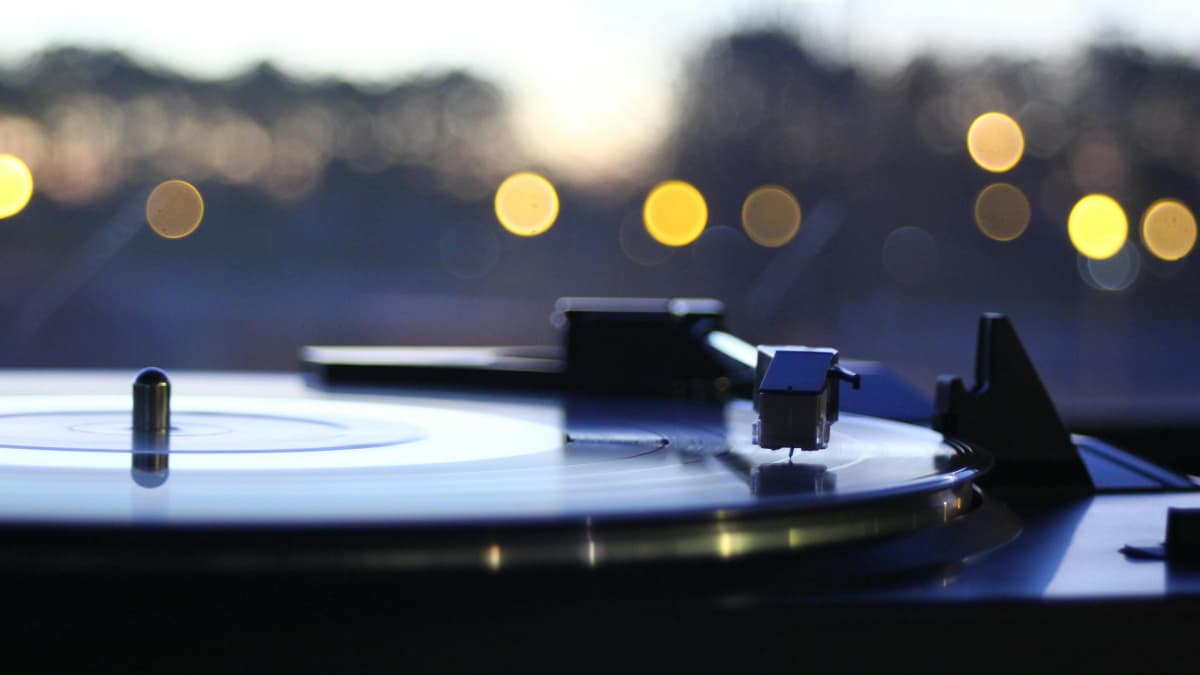
Top 10 Blues Albums on Vinyl | Essential Records for Collectors

Vinyl collector for over thirty years. Found my first turntable and a box of records in the loft at twelve — Nashville Skyline, After the Gold Rush, Disraeli Gears. Still spinning on a vintage Sony PS-X600.
Just so you know, some links on this page are affiliate links. If you buy something via them, we get a small kickback. You don't pay more, but it helps toward the next record.
Blues was the foundation music of the 20th century, the direct ancestor of rock, soul, jazz, and hip-hop. On vinyl, the earliest recordings take on a presence that no digital restoration fully captures. Robert Johnson’s 1930s sides are more than historical documents: they’re performances. When you hear them on a well-set-up turntable, the room the music was recorded in becomes audible, the air around the guitar, the space behind the voice. That presence is preserved in the groove.
These ten albums represent the critical consensus on blues’ finest vinyl recordings.
Not sure which setup is right for you?
Take Our QuizBefore buying, consider previewing first. Amazon Music Unlimited’s 30-day free trial has every album on this list. Some audiophile pressings cost £20–£80, worth knowing what you’re buying before committing. (I earn a flat fee if you sign up through that link, which doesn’t affect my recommendations.)
1. King of the Delta Blues Singers – Robert Johnson (1961)
Robert Johnson recorded 29 songs between 1936 and 1937, then died at 27 under mysterious circumstances. This 1961 compilation introduced him to a new generation and influenced everyone from the Rolling Stones to Eric Clapton.
The myth surrounding Johnson, the crossroads, the deal with the devil, obscures his actual achievement: guitar work and singing that sounded like two people playing simultaneously, lyrics that combined poetry with raw emotion.
"Cross Road Blues" captures the terror of being Black in the Depression-era South. "Hellhound on My Trail" has paranoid intensity that predates rock by decades. "Love in Vain" influenced the Rolling Stones enough that they covered it on Let It Bleed.
The 1936-37 recordings were made in hotel rooms with primitive equipment. On vinyl, the surface noise and limited fidelity become atmospheric rather than distracting. Johnson's voice and guitar have presence that digital remastering sometimes sterilises.
The Columbia Legacy pressing sounds excellent for what the sources allow. Original Columbia pressings are extremely collectible. This album changed what blues could mean.

Where it all began - vinyl is the authentic way to hear these recordings
2. Live at the Regal – B.B. King (1965)
The greatest live blues album ever recorded. B.B. King at Chicago's Regal Theatre, his predominantly Black audience responding to every vocal bend and guitar phrase. The interplay between performer and crowd creates energy that studio recordings can't capture.
"Every Day I Have the Blues" opens with the band vamp before King's vocal enters. His vibrato, the most imitated in blues, has warmth that defines the genre. Lucille (his guitar) responds to each sung phrase as if continuing the conversation.
"How Blue Can You Get" features King's famous spoken introduction about an ungrateful woman. "Sweet Little Angel" demonstrates his ability to sustain notes with devastating emotional effect. "It's My Own Fault" shows that King understood jazz harmony as well as any blues player.
The live recording captures room ambience and audience response without obscuring the music. On vinyl, the warmth suits the period's aesthetic perfectly. The band has presence; King's guitar sits forward in the mix.
The Analogue Productions pressing is the audiophile choice. Original ABC pressings are collectible. This album established the live blues recording as art form.
The greatest live blues album - raw energy vinyl captures perfectly
3. Hoodoo Man Blues – Junior Wells (1965)
The first blues album recorded as an album rather than a collection of singles. Junior Wells (harmonica and vocals) and Buddy Guy (guitar) created Chicago blues at its most intense, the small-combo format allowing every musician space to contribute.
"Snatch It Back and Hold It" opens with the interplay between harmonica and guitar that defines the album. Wells's vocals have urgency; Guy's guitar responds with stinging phrases. The rhythm section (Jack Myers on bass, Billy Warren on drums) hasfoundation without intrusion.
"Hoodoo Man Blues" demonstrates Wells's harmonica virtuosity. "Early in the Morning" covers a Ray Charles song with Chicago intensity. "We're Ready" builds from slow burn to explosive climax.
The Delmark recording captures the club atmosphere without sacrificing clarity. On vinyl, the instruments have warmth and presence. The harmonica and guitar occupy separate spaces in the stereo field.
The Analogue Productions pressing sounds exceptional. Original Delmark pressings are collectible. This album influenced every Chicago blues recording that followed.

Chicago blues at its finest with Buddy Guy on guitar
4. Blues Breakers with Eric Clapton – John Mayall (1966)
The album that established Eric Clapton as "God." Recorded in one day, Blues Breakers captured Clapton's tone, Les Paul through Marshall amplifier cranked to distortion, that influenced generations of rock guitarists.
"All Your Love" opens with Clapton's take on Chicago blues. His vibrato is slower than B.B. King's, his attack more aggressive. The tone, warm distortion that would define rock guitar, emerged from necessity; the amplifier was cranked because the studio was loud.
"Hideaway" covers Freddie King's instrumental with precision and power. "Steppin' Out" demonstrates Clapton's ability to play fast without losing feel. "Have You Heard" shows his debt to Robert Johnson's acoustic blues.
John Mayall's piano and harmonica provide traditional blues context. The rhythm section supports without competing with Clapton's guitar.
On vinyl, Clapton's tone has warmth that CD versions sometimes flatten. The guitar sounds present and powerful without harshness.
The Decca 180g reissue sounds excellent. Original UK Decca pressings are collectible. This album launched British blues rock.

The Beano album - Clapton's tone on vinyl is extraordinary
5. Texas Flood – Stevie Ray Vaughan (1983)
Vaughan's debut announced a blues-rock guitarist of extraordinary power. Texas Flood combined Albert King's string-bending with Jimi Hendrix's aggressive tone, creating a style that influenced every blues-rock guitarist since.
The title track opens with slow blues that demonstrates Vaughan's vibrato and phrasing. "Pride and Joy" follows with shuffling intensity that became his signature. "Love Struck Baby" hasuptempo energy.
"Lenny", a ballad named for his wife, shows Vaughan's melodic sensibility. "Dirty Pool" and "we're Cryin'" demonstrate his range from aggressive to subtle. "Rude Mood" closes the album with instrumental virtuosity.
The production by John Hammond captures Vaughan's live sound without excessive polish. On vinyl, the guitar tone has warmth and presence. The rhythm section (Tommy Shannon, bass; Chris Layton, drums) has foundation without overwhelming the guitar.
The Analogue Productions pressing is definitive. Original Epic pressings sound excellent. This album revived blues-rock for a new generation.

Scorching guitar tone that vinyl reproduces with stunning clarity
6. Born Under a Bad Sign – Albert King (1967)
Albert King's guitar tone, the Flying V through solid-state amplifiers, influenced everyone from Clapton to Stevie Ray Vaughan. Born Under a Bad Sign collected his Stax singles into a coherent album that defined Memphis blues.
The title track opens with one of blues' most famous riffs. King's vocals have weary authority; his guitar bends reach notes that seem impossible. The Booker T. and the MGs rhythm section (Steve Cropper, Donald "Duck" Dunn, Al Jackson Jr.) hassoul-inflected support.
"Crosscut Saw" uses sexual metaphor with wit. "The Hunter" builds tension through repetition. "Oh Pretty Woman" demonstrates King's ability to sustain emotion across slow tempos.
The Stax recording has the label's characteristic warmth, instruments separated but cohesive, the horn arrangements (where present) adding colour without overwhelming.
On vinyl, King's guitar tone has presence and warmth. The bass has weight; the drums have snap.
The Stax reissue sounds excellent. Original Stax pressings are collectible. This album defined Memphis blues guitar.

Stax soul-blues with a guitar tone vinyl was made to reproduce
7. Folk Singer – Muddy Waters (1964)
Muddy Waters stripped away his electric band for this acoustic album, returning to the Delta blues of his youth. The result is intimate and powerful, Waters' voice and acoustic guitar supported only by Willie Dixon (bass) and Buddy Guy (acoustic guitar).
"My Home Is in the Delta" opens with fingerpicked guitar and vocals that sound ancient despite being recorded in 1964. Waters' voice has authority that electric amplification sometimes obscures. "Long Distance" demonstrates that great blues doesn't require volume.
"Good Morning Little Schoolgirl" shows Waters could play traditional repertoire with conviction. "The Same Thing" uses the call-and-response structure of earlier blues.
The Chess recording captures the acoustic instruments with remarkable fidelity. On vinyl, the warmth suits the intimate arrangements perfectly. Waters' guitar and voice have presence.
The Analogue Productions pressing sounds exceptional. Original Chess pressings are collectible. This album proved Waters' power transcended genre boundaries.

Acoustic blues recorded so well it sounds like he is in the room
8. I Am the Blues – Willie Dixon (1970)
Willie Dixon wrote "Hoochie Coochie Man," "I Just Want to Make Love to You," "Spoonful," and dozens of other blues standards. I Am the Blues collects his compositions performed by the songwriter himself with a stellar band.
"Back Door Man" opens with Dixon's deep voice and the riff Howlin' Wolf made famous. "I Can't Quit You Baby" demonstrates his ballad writing. "Spoonful" has mysterious intensity that Cream would amplify.
The band includes Johnny Shines (guitar), Sunnyland Slim (piano), and various Chicago session musicians. The arrangements are definitive, these are the songs as their creator intended them.
The Columbia recording has warmth that suits the material. On vinyl, Dixon's bass voice has foundation; the band has presence without competing.
The Columbia Legacy reissue sounds excellent. Original Columbia pressings are collectible. This album preserves blues' greatest songwriter performing his own work.
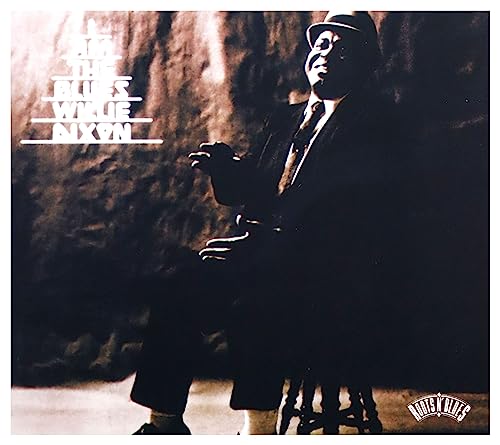
The man who wrote the blues songbook performs his own classics
9. I Was Walking Through the Woods – Buddy Guy (1970)
Buddy Guy's solo debut captured his guitar virtuosity before Chess Records' commercial constraints dulled his edge. I Was Walking Through the Woods features the aggressive playing that influenced Jimi Hendrix and every blues-rock guitarist since.
The title track opens with Guy's stinging guitar and urgent vocals. "Money (That's What I Want)" hasR&B context. "The Treasure Untold" demonstrates his ability to sustain slow blues intensity.
Guy's tone, bright, aggressive, with rapid-fire runs that anticipate rock, contrasts with the smoother sounds Chess usually favoured. The production allows his guitar to cut through.
On vinyl, Guy's guitar has presence and bite. The rhythm section has foundation; the horns (where present) add colour without overwhelming.
The Vanguard reissue sounds excellent. Original pressings are collectible. This album revealed what Guy could do without commercial constraints.

Electric blues guitar that crackles with energy on vinyl
10. The Healer – John Lee Hooker (1989)
Hooker's comeback album featured guest appearances from Bonnie Raitt, Carlos Santana, Robert Cray, and others. The Healer proved that traditional blues could find modern audiences without compromising authenticity.
"we're in the Mood" (with Bonnie Raitt) updates Hooker's 1951 hit with contemporary production. The title track (with Carlos Santana) combines Hooker's hypnotic groove with Latin-influenced guitar. "Baby Lee" features Robert Cray's stinging tone.
Hooker's voice has the authority of decades, the boogie rhythms that influenced rock and roll still compelling despite his age. The guest appearances respect his style rather than overwhelming it.
On vinyl, the modern production translates well. Hooker's voice has warmth; the various guitar tones have presence and separation.
The Silvertone pressing sounds excellent. Original pressings are readily available. This album introduced Hooker to new generations.
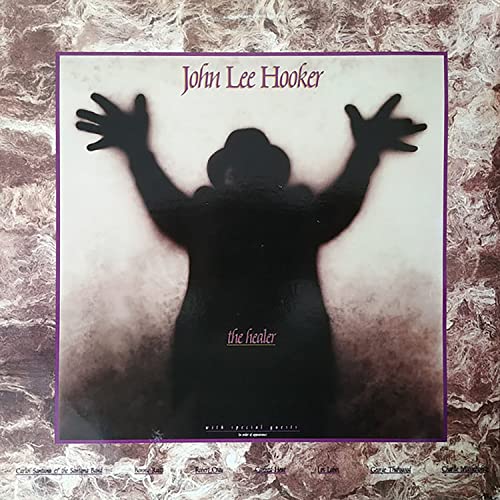
Star-studded blues collaboration that sounds rich on vinyl
The Setup This Blues Collection Deserves
Blues is almost entirely acoustic guitar and voice. That instrument combination reveals setup shortcomings more clearly than almost any other genre, acoustic guitar is unforgiving to a rough stylus, and voice is where phono preamp quality becomes audible.
My recommendation: the Rega Planar 1. Belt-drive design eliminates motor noise that acoustic recordings reveal. Rega’s warm house sound flatters acoustic guitar and voice without colouring them excessively.

Belt-drive simplicity with warm, musical sound that suits acoustic guitar and voice
For speakers, the Edifier R1700BT have the midrange warmth that suits blues, they’re not so analytical as to be fatiguing over a long listening session, but honest enough to reveal why a Junior Wells recording sounds different from a Stevie Ray Vaughan one.
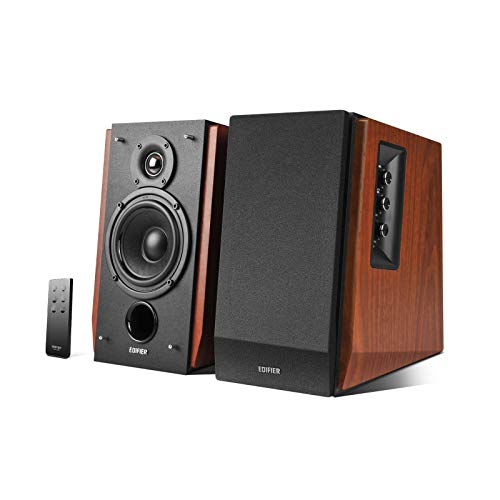
Warm, musical bookshelf speakers, the midrange warmth suits blues voice and guitar
What to Avoid
Budget phono preamps on early blues recordings. Acoustic guitar in particular reveals RIAA equalisation inaccuracy. A cheap built-in preamp handles the frequency response incorrectly and makes early blues recordings sound thin or harsh. A dedicated phono stage makes a significant difference.
Playing blues with a worn stylus. Early 1960s blues pressings have fragile grooves that a worn stylus damages irreversibly. Replace your stylus regularly, every 500–1000 hours of play. A worn stylus costs you more in damaged records than a replacement stylus costs.
Paying collector prices for fake Chess Records pressings. Original Chess, Cobra, and Stax records from the 1950s–1960s command significant premiums and are frequently counterfeited. Verify matrix numbers and label details before paying collector prices for anything described as an original pressing.
Budget generic reissues. Blues recordings in particular suffer from poor transfers. Seek out properly licensed reissues, Analogue Productions, Speakers Corner, and original label reissues are the standard.
Start with Robert Johnson. Eleven tracks from the 1930s that explain where everything came from.
Find Your Perfect Setup
Answer a few quick questions and get personalised recommendations.
Start the QuizFrequently Asked Questions
What is the best blues album to start with?
Live at the Regal by B.B. King. The greatest live blues album ever recorded—accessible, powerful, and demonstrating why vinyl suits blues perfectly.
Why does blues sound so good on vinyl?
Blues and vinyl are inseparable. The genre's golden age occurred during vinyl's dominance; the warmth of analogue playback suits acoustic instruments and emotional vocals perfectly.
Are Analogue Productions blues pressings worth the price?
Yes. Their releases of Junior Wells, B.B. King, and others are audiophile-quality pressings that reveal details standard reissues miss. They represent the format's potential.
What turntable is best for blues vinyl?
Belt-drive is the right choice for acoustic blues — the low noise floor is essential when the music is quiet acoustic guitar and voice. The Rega Planar 1 (around £300) has the warmth and low noise floor that early blues recordings deserve. Acoustic guitar reveals stylus and preamp quality more clearly than almost any other instrument.
Related Guides
Top 10 Jazz Albums on Vinyl 2026 | Essential Records for Collectors
Buying GuideTop 10 Rock Albums on Vinyl | Essential Records for Collectors
Buying GuideBest Record Players UK 2026: Expert Picks at Every Budget
Buying GuideBest Turntables Under £500 UK 2026: Rega vs Pro-Ject vs Audio-Technica vs Sony
Ready to find your perfect setup?
Our quiz matches you with the right turntable, speakers, and accessories.
Take the Quiz - It's FreeNo email required