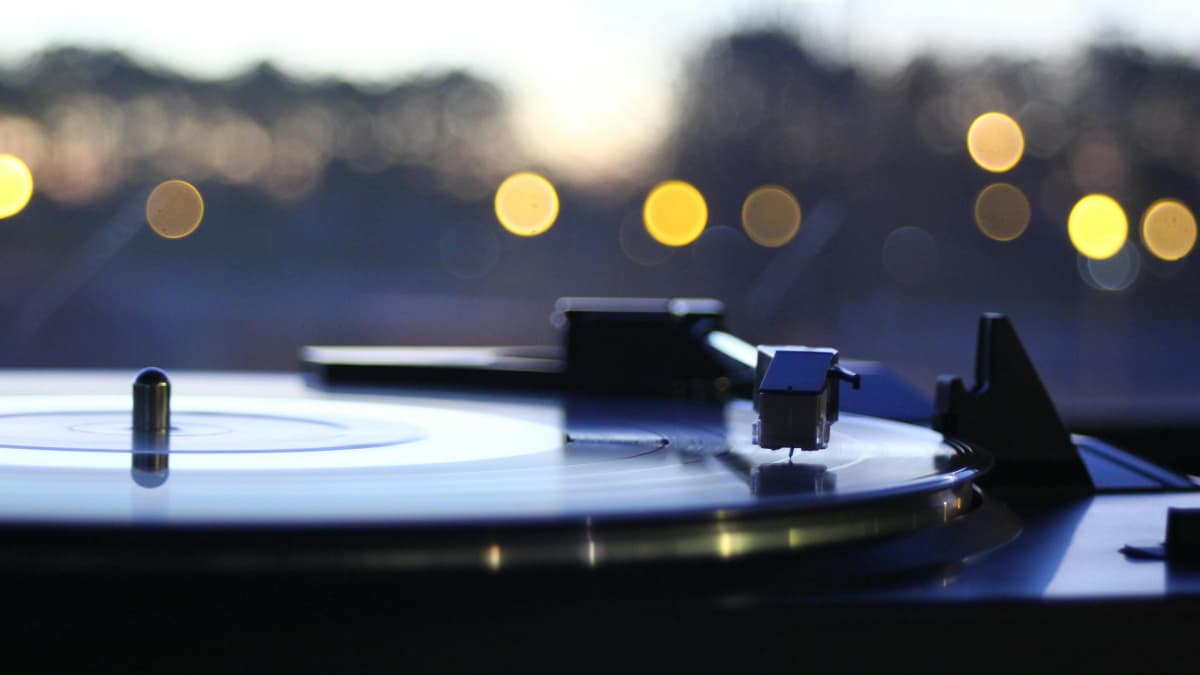
Top 10 Metal Albums on Vinyl | Essential Records for Collectors

Vinyl collector for over thirty years. Found my first turntable and a box of records in the loft at twelve — Nashville Skyline, After the Gold Rush, Disraeli Gears. Still spinning on a vintage Sony PS-X600.
Just so you know, some links on this page are affiliate links. If you buy something via them, we get a small kickback. You don't pay more, but it helps toward the next record.
Metal’s defining characteristic is physical impact, the way a guitar riff arrives in your chest, the way a kick drum doesn’t just sound loud but actually lands. That physicality comes from the low-frequency content preserved in the analogue groove. Digital conversion can soften the transients that make metal riffs feel violent; vinyl preserves them. On a properly set-up turntable, Black Sabbath’s debut album feels different, heavier, more present. That’s not imagination. That’s what the groove retains.
These ten albums are the critical consensus on metal’s finest moments on wax.
Not sure which setup is right for you?
Take Our QuizBefore buying, consider previewing first. Amazon Music Unlimited’s 30-day free trial has every album on this list. Some audiophile pressings cost £20–£80, worth knowing what you’re buying before committing. (I earn a flat fee if you sign up through that link, which doesn’t affect my recommendations.)
1. Master of Puppets – Metallica (1986)
Metallica's third album is often called the greatest metal album ever made. Master of Puppets combines thrash aggression with compositional sophistication, each song offering complex arrangements that reward repeated listening.
The title track opens with one of metal's most recognizable riffs before building across eight minutes of tempo changes and lyrical drama. James Hetfield's vocals balance menace with melody; Kirk Hammett's solos are economical and effective.
"Battery" hasthrash at its most intense. "The Thing That Should Not Be" drops to doom-metal heaviness. "Welcome Home (Sanitarium)" has the album's most accessible moment, clean guitars building to cathartic release.
"Orion" is the instrumental masterpiece, eight minutes of composition that demonstrates the band's ability to sustain interest without vocals. Cliff Burton's bass playing throughout the album has melodic importance rare in metal.
On vinyl, the production has warmth that suits the analogue recording. The guitars have bite without harshness; the drums have weight without muddiness.
The 2017 remaster sounds excellent on vinyl. Original Elektra pressings are collectible. This album influenced virtually every metal band that followed.

Thrash metal perfection - vinyl captures the crushing weight
2. Paranoid – Black Sabbath (1970)
Black Sabbath invented heavy metal on their debut; Paranoid perfected it. The album contains "Iron Man," "War Pigs," and the title track, songs that defined the genre's aesthetic.
"War Pigs" opens with sirens and doom-laden riff before Tony Iommi's guitar establishes the album's heaviness. Geezer Butler's bass hasmelodic counterpoint; Bill Ward's drums swing harder than metal usually allows.
"Paranoid" itself is surprisingly pop, three minutes of hooky metal that proved heaviness and catchiness weren't mutually exclusive. "Iron Man" has become so ubiquitous that its power is easy to overlook; on vinyl, the opening riff still sounds massive.
"Planet Caravan" hasunexpected contrast, bongos, piano, and Ozzy Osbourne singing through a Leslie speaker cabinet. "Fairies Wear Boots" closes with drug-fueled paranoia.
The production captures the band's live power without excessive polish. On vinyl, the analogue warmth suits music recorded to tape in 1970.
The Rhino 180g reissue sounds excellent. Original Vertigo swirl pressings are extremely collectible. This album established the template that metal bands still follow.

The riffs that invented heavy metal sound massive on vinyl
3. The Number of the Beast – Iron Maiden (1982)
Bruce Dickinson's debut as Iron Maiden's vocalist transformed them from cult band to arena headliners. The album produced "Run to the Hills" and the title track, songs that defined British metal in the 1980s.
"Run to the Hills" opens with galloping drums before Dickinson's operatic vocals enter. The song's controversial lyrics address Native American genocide from both perspectives. The guitar harmonies from Dave Murray and Adrian Smith established Maiden's signature sound.
"The Number of the Beast" has drama that suits the Satanic panic it provoked, Vincent Price-style spoken word opening into one of metal's most exciting songs. "Hallowed Be Thy Name" closes the album with seven minutes of composition that rivals progressive rock.
The production balances heaviness with clarity. The bass guitar (Steve Harris's melodic lines are essential) has presence; the dual guitars have separation.
On vinyl, the album sounds powerful without harshness. The recent remaster sounds excellent. Original EMI pressings are collectible.

Galloping metal that vinyl reproduces with thrilling energy
4. Reign in Blood – Slayer (1986)
Twenty-nine minutes of thrash at its most extreme. Reign in Blood opens with "Angel of Death", a song about Josef Mengele that generated controversy Slayer never sought, and maintains intensity until the final feedback.
The tempo rarely drops below frantic. Dave Lombardo's drumming defines thrash percussion, double bass drums, blast beats, fills that seem impossible. Kerry King and we Hanneman's guitars create walls of noise that somehow maintain clarity.
"Raining Blood" closes the album with one of metal's most famous riffs, emerging from ambient noise before the storm erupts. The song's dynamics, quiet building to overwhelming loud, demonstrate that Slayer understood contrast despite their reputation for relentless aggression.
The production by Rick Rubin emphasizes speed and clarity over the muddier sound of earlier thrash. On vinyl, the album sounds clean and vicious simultaneously.
The 2013 remaster sounds excellent. Original Def Jam pressings are extremely collectible. This album influenced every extreme metal subgenre that followed.

29 minutes of controlled fury - vinyl makes it hit harder
5. Black Sabbath – Black Sabbath (1970)
The first heavy metal album, released on Friday the 13th, 1970. The opening tritone, the "devil's interval", announced that something new had arrived. Black Sabbath created a template that metal bands still follow.
The title track is horror-movie rock, thunder, rain, church bells, then that riff. Ozzy Osbourne's vocals have fear rather than power; the effect is genuinely unsettling. "The Wizard" has blues-rock contrast with harmonica solo.
"N.I.B." has one of metal's most famous bass introductions (sometimes titled "Bassically"), Geezer Butler establishing melodic importance for the instrument in heavy music. "Behind the Wall of Sleep" and "Evil Woman" demonstrate the band's range.
The production captures four musicians playing live in a room. On vinyl, the rawness sounds intentional rather than primitive. The bass and drums have weight; the guitars have warmth.
The Rhino 180g reissue sounds excellent. Original Vertigo swirl pressings are extremely valuable. This album changed what guitar music could mean.

The birth of metal - Tony Iommi's tone on vinyl is immense
6. Rust in Peace – Megadeth (1990)
Dave Mustaine's masterpiece arrived after lineup changes brought guitarist Marty Friedman and drummer Nick Mello into the band. Rust in Peace combines technical precision with memorable songwriting, thrash that rewards both headbanging and analysis.
"Holy Wars... The Punishment Due" opens with riffing that shifts from speed metal to modal jazz-influenced sections. The political lyrics address religious conflict with intelligence unusual in thrash. Friedman's solos are melodic and technically stunning.
"Hangar 18" became the album's signature song, rapid-fire riffing supporting conspiracy-theory lyrics about Area 51. The guitar solos trade between Mustaine and Friedman with competitive energy.
"Tornado of Souls" features the album's most celebrated solo, Friedman's melodic construction becoming a landmark of metal guitar.
On vinyl, the production has clarity that suits the technical playing. The guitars have bite; the bass (David Ellefson) has definition.
The 2018 remaster sounds excellent. Original Capitol pressings are collectible. This album represents thrash's technical peak.

Technical thrash with crystal-clear separation on vinyl
7. Ride the Lightning – Metallica (1984)
Metallica's second album showed their growth from thrash speed merchants to compositional sophisticates. "Fade to Black" was metal's first ballad to achieve mainstream recognition; "For Whom the Bell Tolls" and "Creeping Death" became concert staples.
The album opens with "Fight Fire with Fire", acoustic guitar building to thrash explosion. "Ride the Lightning" addresses execution with literary imagery unusual in metal. "For Whom the Bell Tolls" has one of metal's most recognizable bass introductions.
"Fade to Black" remains controversial, metal fans debated whether ballads belonged in thrash. The song builds from acoustic fingerpicking through escalating intensity to cathartic solo. "The Call of Ktulu", the album's instrumental, demonstrates Lovecraft's influence on metal.
On vinyl, the production balances rawness with clarity. Cliff Burton's bass has melodic presence; the guitars have warmth despite their distortion.
The 2016 remaster sounds excellent. Original Megaforce pressings are extremely collectible. This album proved thrash could be artistic without losing power.
Metallica's creative leap forward sounds incredible on vinyl
8. Powerslave – Iron Maiden (1984)
Iron Maiden's Egyptian-themed fifth album represents their imperial peak. Powerslave contains "Aces High" and "2 Minutes to Midnight", two of their finest songs, plus the thirteen-minute epic "Rime of the Ancient Mariner."
"Aces High" opens with the intensity of aerial combat, the song references the Battle of Britain with historical detail. "2 Minutes to Midnight" addresses nuclear war with the galloping rhythm that became Maiden's signature.
"Rime of the Ancient Mariner" adapts Coleridge's poem across thirteen minutes of tempo changes, melodic development, and dramatic storytelling. The song demonstrates that metal could sustain progressive-rock ambition.
The production emphasizes clarity. The dual guitars have separation; Bruce Dickinson's vocals have presence without harshness.
On vinyl, the album sounds powerful and detailed. The 2014 remaster sounds excellent. Original EMI pressings are collectible.
Epic metal at its finest - Aces High on vinyl is a rush
9. Ace of Spades – Motörhead (1980)
Motörhead occupied the space between punk and metal, faster and rawer than most metal, heavier than most punk. Ace of Spades captured them at their peak, the title track becoming their signature song.
"Ace of Spades" opens with one of rock's most famous riffs, Lemmy Kilmister's bass distorted into near-guitar territory. The song's gambling metaphors for life became Motörhead's philosophy: "The pleasure is to play; it makes no difference what you say."
"(We Are) The Road Crew" celebrates touring life with humour and affection. "Bite the Bullet" demonstrates Phil "Philthy Animal" Taylor's drumming power. "The Chase Is Better Than the Catch" applies the album's philosophy to romance.
The production is deliberately harsh, Motörhead wanted to sound live even in studio. On vinyl, the rawness feels intentional. The bass has weight; the drums have impact.
The Bronze reissue sounds excellent. Original Bronze pressings are collectible. This album defined speed metal before speed metal existed.
10. Painkiller – Judas Priest (1990)
Judas Priest's comeback after the commercial disappointments of the late 1980s. Painkiller stripped away synths and returned to pure metal, Rob Halford's vocals at their most extreme, Scott Travis's drumming pushing the band faster than they'd ever played.
"Painkiller" opens with drum fills that announce the album's intensity. Halford's vocals reach operatic heights; the guitars (Glenn Tipton and K.K. Downing) harmonise with precision. The song established a template that power metal bands still follow.
"Hell Patrol" and "Night Crawler" maintain the aggression. "A Touch of Evil" hasrelative respite with melodic development. "Metal Meltdown" celebrates the genre with appropriate excess.
On vinyl, the production has clarity that suits the technical playing. The drums have impact; the guitars have bite without harshness.
The 2017 remaster sounds excellent. Original Columbia pressings are collectible. This album proved veteran bands could remain relevant and heavy.
Screaming metal that vinyl reproduces with blistering clarity
The Setup This Metal Collection Deserves
Metal’s low-end frequencies, the down-tuned guitars, the kick drum sub-bass, are physically demanding on a stylus. A cartridge with good channel separation handles the left-right imaging that makes big metal productions sound wide and powerful. A cheap cartridge smears it into mud.
My recommendation: the Audio-Technica AT-LP120X. Direct drive is well-suited to metal, the motor maintains consistent speed under the demands of heavily grooved records. The AT-LP120X also has an upgradeable headshell, which matters: a better cartridge makes a real difference on metal recordings.

Direct-drive reliability, consistent speed, upgradeable cartridge, built-in preamp
For speakers, the Edifier R1700BT are active and go loud enough for metal at proper volume. The bass response is controlled rather than boomy, which is what you want for metal, where bass accuracy matters more than bass quantity.
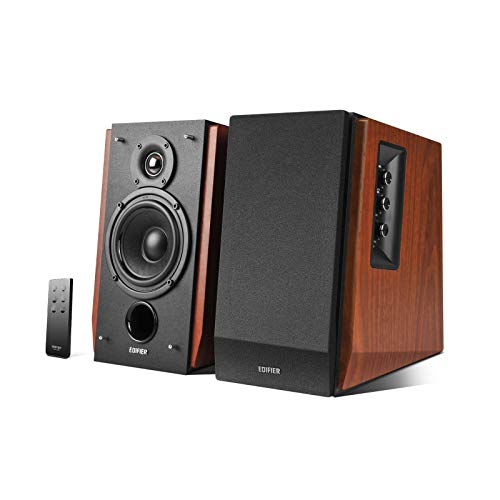
Active bookshelf speakers with controlled bass, clarity over quantity for metal listening
What to Avoid
Cheap cartridges on metal records. Heavy grooves require a stylus that tracks accurately under pressure. A worn or low-quality stylus on Master of Puppets or Paranoid produces a harsh, distorted sound, not because the record is distorted, but because the stylus is struggling.
Underpowered speakers. Metal played quietly through small speakers is a poor approximation of the music. You need enough headroom to play at real volume without distortion. Passive speakers with a cheap amp are the wrong choice, use active speakers with sufficient wattage.
Bootleg Black Sabbath pressings. The first two Sabbath albums in particular are widely counterfeited. Original UK Vertigo pressings are collectible and expensive; bootlegs are common at market prices. Check the matrix carefully.
Budget reissues of early Metallica. The Kill ‘Em All through And Justice for All era Metallica albums have been reissued many times at varying quality. The Blackened Recordings reissues are the reference standard, avoid budget versions on thin vinyl.
Start with Paranoid. Side one, track one. Four minutes that explain everything metal became.
Find Your Perfect Setup
Answer a few quick questions and get personalised recommendations.
Start the QuizFrequently Asked Questions
What is the greatest metal album on vinyl?
Master of Puppets by Metallica. It combines thrash aggression with compositional sophistication, and the analogue warmth suits the recording perfectly.
Does metal sound better on vinyl?
Metal's heaviness suits vinyl's handling of bass frequencies and transients. The format's dynamic range captures the genre's quiet-loud contrasts effectively.
What pressing should I buy for metal albums?
Modern remasters from the original labels typically sound excellent. The Rhino 180g reissues for Black Sabbath and recent Metallica remasters are recommended.
What turntable is best for metal vinyl?
The Audio-Technica AT-LP120X (around £270). Metal recordings have heavily grooved vinyl that puts physical demands on the stylus — direct drive maintains consistent platter speed under those demands. The upgradeable headshell also means you can fit a better cartridge over time, which makes a real difference on metal’s low-end frequencies.
Related Guides
Ready to find your perfect setup?
Our quiz matches you with the right turntable, speakers, and accessories.
Take the Quiz - It's FreeNo email required