Top 10 Hip-Hop Albums on Vinyl | Essential Records for Collectors

Vinyl collector for over thirty years. Found my first turntable and a box of records in the loft at twelve — Nashville Skyline, After the Gold Rush, Disraeli Gears. Still spinning on a vintage Sony PS-X600.
Just so you know, some links on this page are affiliate links. If you buy something via them, we get a small kickback. You don't pay more, but it helps toward the next record.
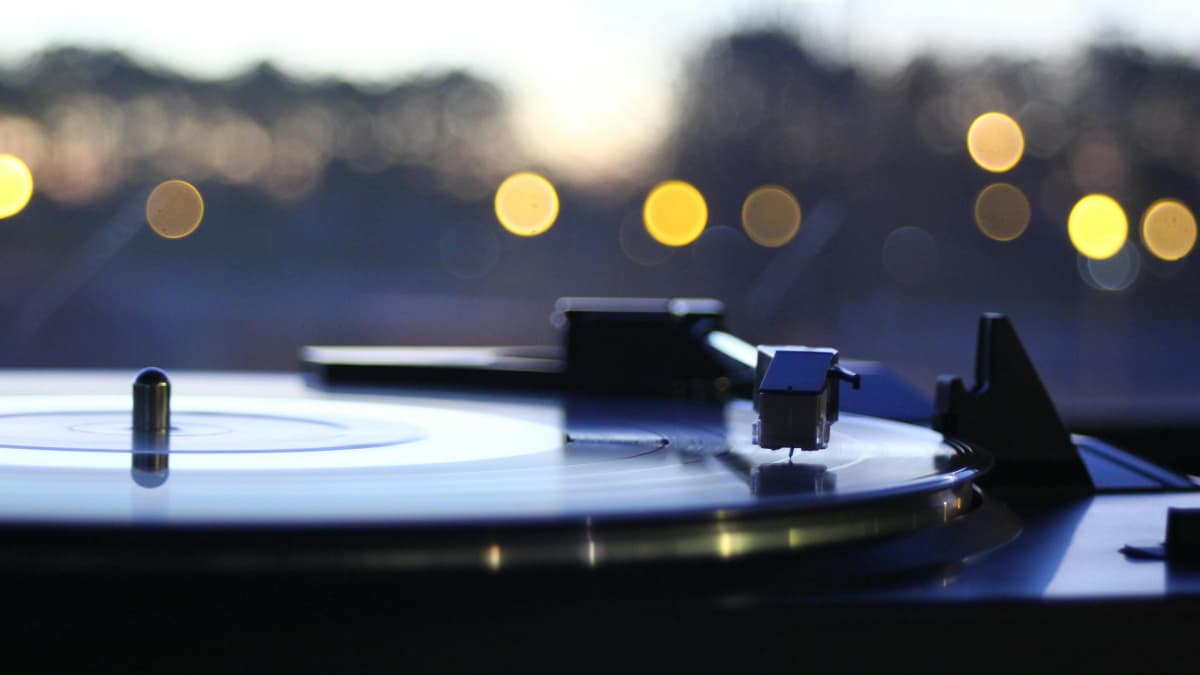
Hip-hop’s return to vinyl is the format’s modern revival story. The genre’s sample-based production, built from existing records, has circular logic on wax: hip-hop was made from vinyl, and playing it back on vinyl completes the loop. But it’s also physical. The sub-bass frequencies that define hip-hop production, the low end that club sound systems were designed to reproduce, have genuine weight through a proper turntable and well-placed speakers. Streaming through laptop speakers approximates the music. Vinyl through good speakers delivers it.
These ten albums represent hip-hop’s finest achievements according to critical consensus.
Not sure which setup is right for you?
Take Our QuizBefore buying, consider previewing first. Amazon Music Unlimited’s 30-day free trial has every album on this list. Some audiophile pressings cost £20–£80, worth knowing what you’re buying before committing. (I earn a flat fee if you sign up through that link, which doesn’t affect my recommendations.)
1. Illmatic – Nas (1994)
Nas was twenty years old when he recorded the most celebrated debut in hip-hop history. Illmatic runs just 39 minutes across ten tracks, each one essential. The production team, DJ Premier, Pete Rock, Q-Tip, Large Professor, L.E.S., represents the genre's finest beatmakers, yet the album coheres as a unified vision of Queensbridge life.
The production throughout favours jazz samples, warm, melodic, suited to Nas's literary approach. DJ Premier's piano loops and boom-bap drums define the sound. Pete Rock's contributions add soul samples with sophisticated layering.
On vinyl, Illmatic's sample-based production has warmth that digital playback sometimes flattens. The bass has weight; the jazz loops have presence. The album's brevity suits vinyl, no filler, no need to skip tracks.
The lyrical density rewards repeated listening. Each verse reveals new wordplay and internal rhyme schemes that influenced generations of MCs. The storytelling creates vivid portraits of urban life with novelistic detail.
The Get On Down 20th anniversary pressing sounds excellent. Original Columbia pressings are highly collectible. This album defined lyrical hip-hop and remains the benchmark against which debut albums are measured.

2. Ready to Die – The Notorious B.I.G. (1994)
Christopher Wallace emerged from Brooklyn with a debut that balanced commercial appeal with artistic ambition. Ready to Die established the template for major-label hip-hop: radio singles alongside deeper album cuts, all unified by Wallace's commanding presence and storytelling ability.
The production, primarily by Easy Mo Bee, Sean Combs, and Chucky Thompson, samples soul and R&B with cinematic scope. The beats range from party-ready to introspective, showcasing Wallace's versatility as both entertainer and artist.
Wallace's flow, the way he rides beats, his comedic timing, his ability to shift from bravado to vulnerability, remains influential. His voice had natural authority that recording captured perfectly.
On vinyl, the production's depth emerges. The bass has impact; the samples have warmth. The album's length requires two discs, but the sequencing works across four sides with natural pacing.
The Bad Boy reissue sounds excellent. Original pressings are collectible. Wallace was killed in 1997, making this album both debut and primary legacy, a document of extraordinary talent.

Biggie's storytelling with production that vinyl brings to life
3. The Low End Theory – A Tribe Called Quest (1991)
A Tribe Called Quest stripped hip-hop production to its essentials: bass, drums, and jazz samples. The Low End Theory influenced everything from alternative hip-hop to electronic music, its minimalist approach proving that restraint could be as powerful as maximalism.
Q-Tip and Phife Dawg trade verses with playful chemistry. The production samples jazz legends, Ron Carter's upright bass features prominently, while maintaining a distinctly hip-hop sensibility. The famous bass sound came from sampling at low frequencies, creating warmth that suits vinyl perfectly.
On vinyl, the bass is revelatory. The format handles low frequencies better than compressed digital, and this album is defined by its low end. The minimalist production leaves space for every element to breathe.
The interplay between the two MCs creates variety without disrupting flow. Q-Tip's smooth delivery contrasts with Phife's more aggressive approach. Guest appearances add further texture.
The Jive reissue sounds excellent. Original pressings are sought after. This album proved hip-hop could be sophisticated without losing its edge.

Jazz-sampled beats with bass that vinyl reproduces beautifully
4. Enter the Wu-Tang (36 Chambers) – Wu-Tang Clan (1993)
Nine MCs from Staten Island created one of hip-hop's most influential albums with minimal resources. RZA's production, built on soul samples, martial arts film dialogue, and deliberately raw drums, established an aesthetic that dominated mid-90s hip-hop.
Each member brings a distinct style and personality. The group dynamic creates variety that prevents listener fatigue across the album's length. The chemistry between members produces verses that play off each other with competitive energy.
The production sounds intentionally raw, RZA recorded on basic equipment, embracing limitations as aesthetic choices. On vinyl, this rawness feels appropriate rather than compromised. The bass has weight; the samples have texture.
The collective approach was revolutionary, nine solo careers launched from one album. Each member's subsequent solo work expanded the Wu-Tang universe while maintaining the sound established here.
The Fat Beats reissue sounds excellent. Original Loud pressings are highly collectible. This album launched an empire that dominated the decade.

Raw Staten Island hip hop that vinyl makes even grittier
5. To Pimp a Butterfly – Kendrick Lamar (2015)
Kendrick Lamar's third album combined hip-hop with jazz, funk, and spoken word in the most ambitious production of the streaming era. To Pimp a Butterfly addressed systemic issues, personal struggles, and cultural identity while maintaining musical adventurousness.
The production team included Thundercat, Flying Lotus, Terrace Martin, and Pharrell Williams, creating tracks that shifted genres mid-song. The funk and jazz influences are explicit, live instrumentation throughout, brass and bass creating grooves that hip-hop rarely attempts.
On vinyl, the dense production reveals its layers. The bass is massive; the jazz instrumentation has presence. The album runs 79 minutes across two discs, each side offering a complete experience.
The thematic ambition matches the musical ambition. Spoken word interludes connect tracks into a unified narrative. The album rewards sequential listening that vinyl encourages.
The standard Interscope pressing sounds excellent. The album won the Pulitzer Prize for Music, the first hip-hop album to receive the honour. It represents the genre's artistic peak.

Jazz-funk-hip hop fusion with layers that vinyl reveals
6. Paid in Full – Eric B. & Rakim (1987)
Rakim changed hip-hop lyricism. Before Paid in Full, MCs emphasised rhythm and crowd response; Rakim introduced internal rhyme schemes, multisyllabic patterns, and a cool, understated delivery that influenced everyone who followed.
Eric B.'s production samples James Brown, Funkadelic, and jazz with sophisticated taste. The beats have punch while maintaining the warmth of their source material. The partnership between producer and MC created a template for hip-hop collaboration.
The album sounds remarkably clean for 1987 hip-hop, production choices favour clarity over density. On vinyl, the drum machines have punch; the samples have warmth that suits the vintage material.
Rakim's innovations in flow and wordplay established lyrical complexity as hip-hop's highest value. His calm delivery made technical virtuosity seem effortless, a style that influenced generations.
The Get On Down reissue sounds excellent. Original 4th & B'way pressings are collectible. This album established the standards by which hip-hop lyricism is still judged.

The album that changed hip hop lyricism - sounds crisp on vinyl
7. The Chronic – Dr. Dre (1992)
Dr. Dre invented G-funk on this album, synthesiser melodies over slow, bass-heavy grooves that defined West Coast hip-hop for a decade. The Chronic introduced Snoop Dogg, established Death Row Records, and proved that hip-hop production could be as sonically ambitious as any genre.
The production favours live instrumentation and layered synthesisers over samples. The Minimoog bass sound became Dre's signature. The P-funk influences, Parliament, Funkadelic, are obvious but transformed into something distinctly West Coast.
Snoop Dogg appears throughout, his laid-back flow contrasting with more aggressive styles of the era. The chemistry between producer and protégé created one of hip-hop's most successful partnerships.
On vinyl, The Chronic's bass is essential. The sub-frequencies that define G-funk benefit from analogue playback. The synth layers have warmth; the drums have impact.
The Death Row reissue sounds excellent. Original pressings are highly collectible. This album sold over five million copies and remains the definitive West Coast statement.

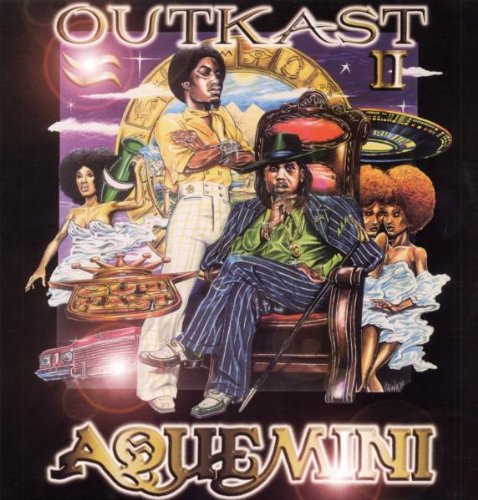
8. Aquemini – OutKast (1998)
OutKast's third album expanded Southern hip-hop beyond regional boundaries. Aquemini combined André 3000's increasingly experimental approach with Big Boi's streetwise perspective, creating a double album that never loses focus across 73 minutes.
The production by Organized Noize incorporates live musicians throughout. The sound is warmer and more organic than contemporary hip-hop, influenced by funk and soul without abandoning hip-hop's rhythmic foundation.
The contrast between the two MCs creates dynamic tension. André's experimental tendencies push boundaries while Big Boi's more traditional approach hasgrounding. Together they achieve something neither could alone.
On vinyl, the live instrumentation has presence and warmth. The bass is magnificent, a showcase for quality speakers and turntables. The album's length works across four sides with natural pacing.
The standard LaFace pressing sounds excellent. Original pressings are collectible. This album established OutKast as artists rather than regional novelties.
9. Madvillainy – Madvillain (2004)
MF DOOM's masked persona met Madlib's experimental production on one of underground hip-hop's defining albums. Madvillainy runs 46 minutes across 22 tracks, most under three minutes, sketches and fragments that cohere into a complete vision.
DOOM's wordplay is dense with references and internal rhymes. His delivery is intentionally off-beat, landing just behind the rhythm in ways that confused listeners initially but became influential. The mask and persona added mystique that enhanced the music.
Madlib's production samples obscure soul records, library music, and jazz with adventurous taste. The lo-fi quality is intentional, warmth and texture over clarity. Nothing sounds like radio hip-hop.
On vinyl, the album's format makes sense. The short tracks work as an album experience; shuffling destroys the pacing. The lo-fi production suits analogue playback.
The Stones Throw pressing sounds excellent. DOOM died in 2020, making this album his lasting monument, a document of underground hip-hop's creative peak.
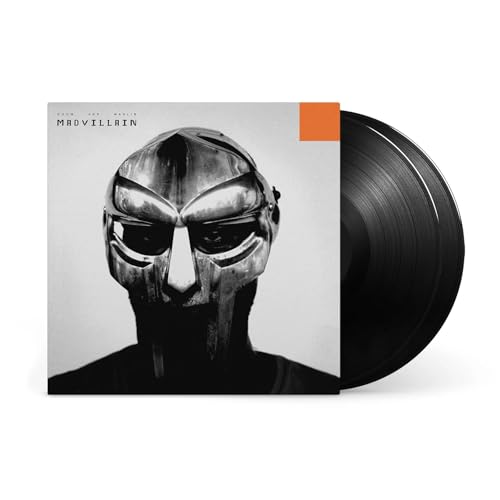
Abstract hip hop with Madlib's samples shining on vinyl
10. My Beautiful Dark Twisted Fantasy – Kanye West (2010)
Kanye West's fifth album is maximalist hip-hop, every track layered with samples, live instrumentation, and guest appearances from hip-hop and rock artists. The production credits list dozens of contributors, yet West's vision unifies everything.
The sample clearances required unprecedented effort, progressive rock, electronic music, classic rock all appear. The ambition extends to guest lists featuring artists from across genres.
On vinyl, the maximalist production reveals its layers. The bass has weight; the orchestral elements have space. The album benefits from focused listening that vinyl encourages.
The scope of the production matched the scope of its themes, celebrity, creativity, excess, redemption. The album works as both pop music and art-world statement.
The Roc-A-Fella pressing sounds excellent. The album is consistently ranked among the decade's finest. It represents hip-hop's integration into mainstream cultural discourse.

Maximalist production that vinyl handles with stunning scale
The Setup This Hip-Hop Collection Deserves
Hip-hop’s bass frequencies are physically demanding on a turntable and speakers. Sub-bass content in Illmatic, The Chronic, and To Pimp a Butterfly requires a setup that can handle low frequencies without distortion, cheap speakers and cheap cartridges produce a boomy, indistinct low end instead of the controlled bass these recordings contain.
My recommendation: the Audio-Technica AT-LP120X. Direct drive maintains consistent platter speed under the demands of bass-heavy grooves. The built-in preamp is adequate to start, though a dedicated phono stage is a worthwhile upgrade later.

Direct-drive reliability, consistent speed, upgradeable cartridge, built-in preamp
For speakers, the Edifier R1700BT deliver accurate, controlled bass rather than exaggerated boom. Hip-hop bass is precise, you want speakers that reproduce what’s in the groove, not speakers that add their own low-end colouration.
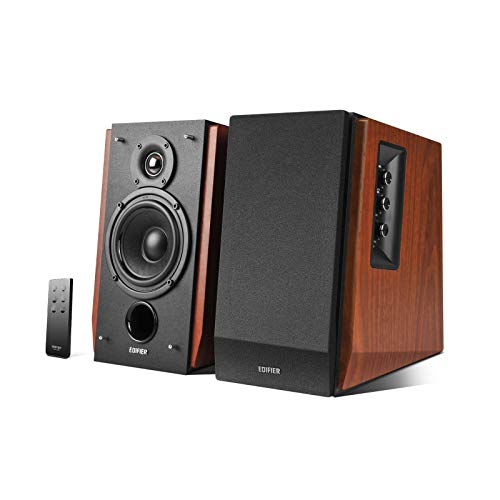
Active bookshelf speakers with controlled, accurate bass, right for hip-hop production
What to Avoid
Speakers without genuine bass extension. Hip-hop played through speakers that roll off below 80Hz loses its defining characteristic. Laptop speakers, cheap multimedia speakers, and most soundbars cannot reproduce what these records contain. You need speakers rated to at least 60Hz.
Budget turntables with high tracking force. Bass-heavy hip-hop recordings push the stylus hard. A 6g tracking force (common on cheap all-in-ones) against bass-heavy vinyl is destroying the groove. The AT-LP120X with its stock cartridge at 2g is the correct approach.
Bootleg Illmatic pressings. The album is one of the most counterfeited hip-hop records. The Serdce pressing is the bootleg most commonly sold as original. Check the matrix, legitimate pressings have specific dead wax etching.
Ignoring 45rpm single releases. Many classic hip-hop singles from the golden era were pressed as 45rpm records with better sound quality than the album versions. If you find original 12-inch singles in good condition, they often sound better than the LP pressings.
Start with Illmatic. Forty minutes. The most focused debut in the genre’s history.
Find Your Perfect Setup
Answer a few quick questions and get personalised recommendations.
Start the QuizFrequently Asked Questions
What is the best hip-hop album to start with on vinyl?
Illmatic by Nas. Ten tracks of perfect production from DJ Premier, Q-Tip, and others. The single LP format is perfect, and the sound quality rewards vinyl playback.
Why collect hip-hop on vinyl?
Hip-hop production emphasises bass and dynamics that vinyl handles exceptionally well. The format's physicality also connects to hip-hop's sampling culture and DJ heritage.
Are original hip-hop pressings worth seeking out?
Original pressings of 90s classics can be valuable, but many recent remasters sound excellent. VMP and Get On Down releases offer quality alternatives to expensive originals.
What turntable is best for hip-hop vinyl?
The Audio-Technica AT-LP120X (around £270). Hip-hop’s sub-bass frequencies are physically demanding on vinyl — direct drive maintains consistent speed under bass-heavy grooves. The AT-LP120X also plays 45rpm 12-inch singles accurately, which matters: many classic hip-hop releases were pressed as 12-inch singles with better sound than the album versions.
Related Guides
Ready to find your perfect setup?
Our quiz matches you with the right turntable, speakers, and accessories.
Take the Quiz - It's FreeNo email required